• Magma accumulation under Svartsengi signals new volcanic eruption, Iceland

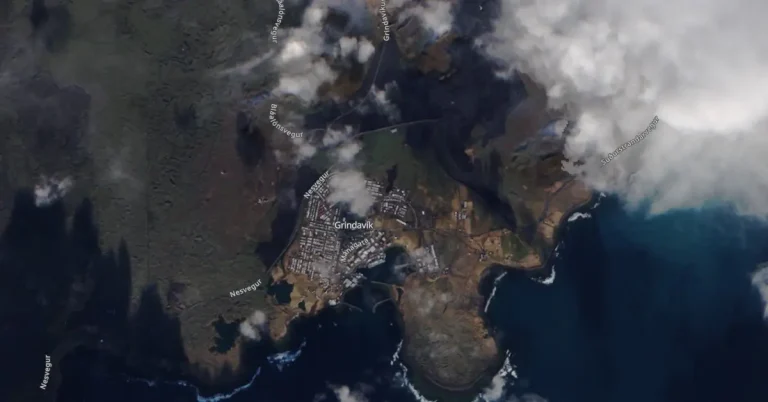
    The Svartsengi volcanic system in southwest Iceland is showing increased volcanic activity due to magma accumulation beneath the surface. Magma is moving into shallow chambers, causing ground uplift and seismic activity. In recent days, seismic activity has slightly increased, with around five minor daily earthquakes along the dike, the most prominent being M1.5, indicating growing pressure. 

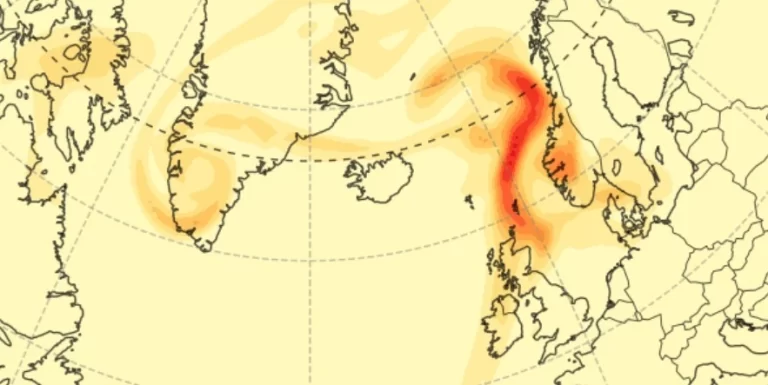
  • Volcanic sulfur dioxide emissions from Iceland reach continental Europe

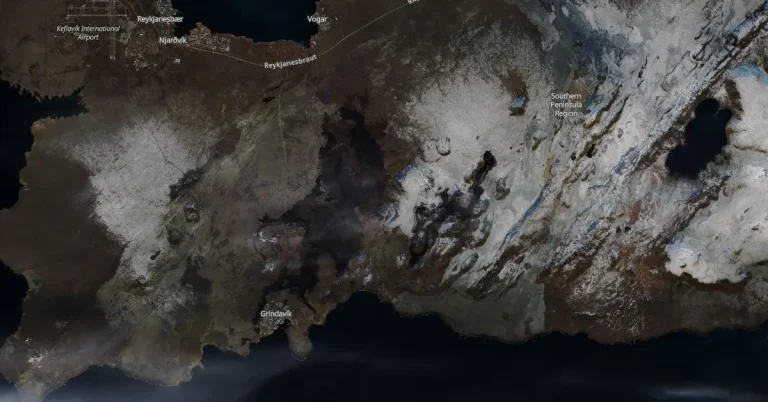
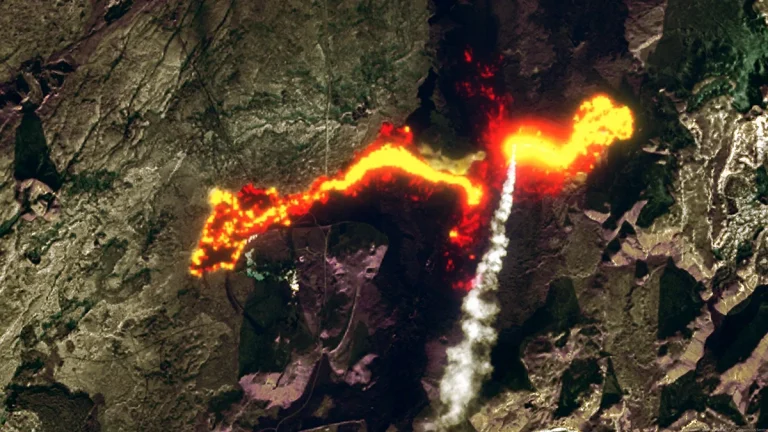
    The volcanic eruption that started in Reykjanes Peninsula, Iceland on March 16, 2024, continues at a fairly constant rate, marking the most substantial activity in the region with four registered eruptions since December 2023. This event has caught the attention of the Copernicus Atmosphere Monitoring Service (CAMS) due to the large volumes of sulfur dioxide (SO2) released into the atmosphere.

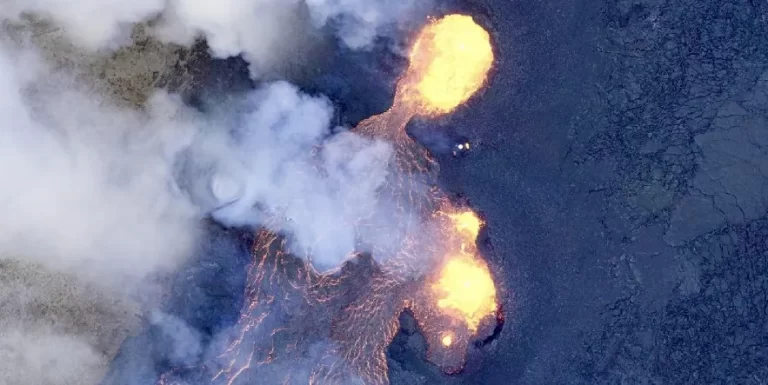
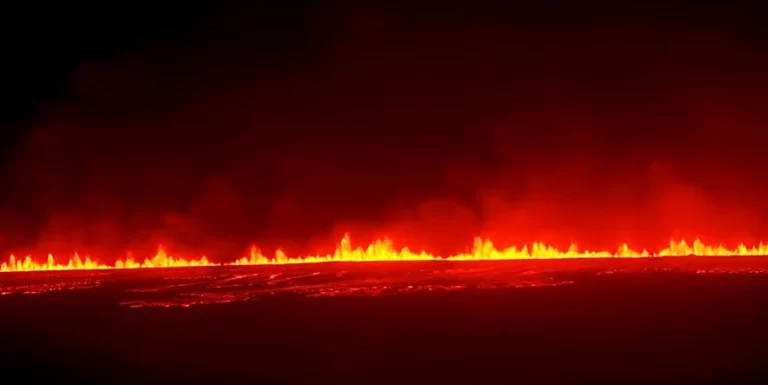
  • Fairly constant rate of eruption at Reykjanes, Iceland

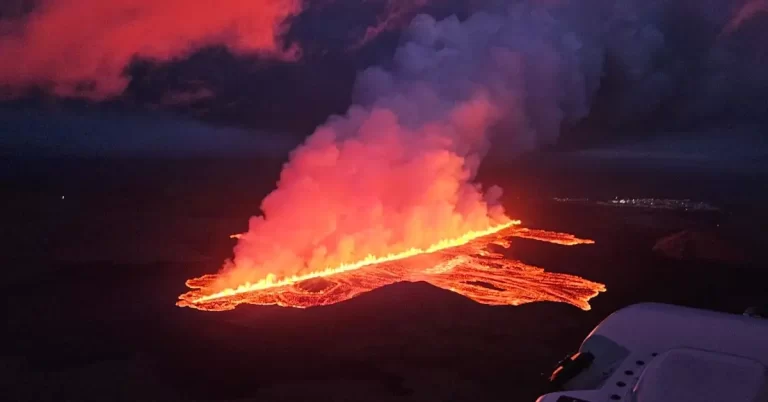
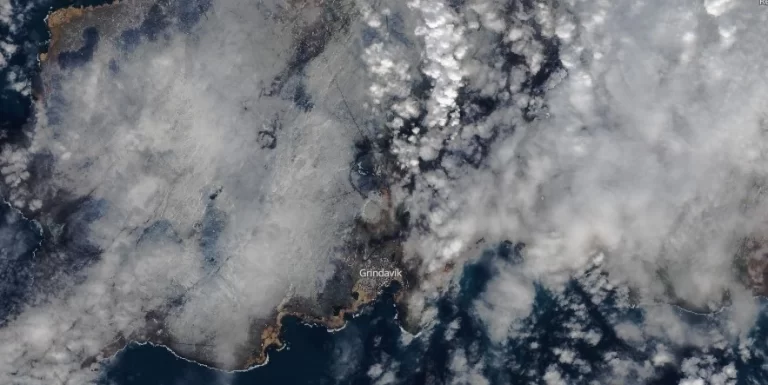
    A fissure eruption that started on Reykjanes Peninsula, Iceland on March 16, 2024, continues at a fairly constant rate, with an average lava flow from the craters of about 14.5 m3 per second (512 feet3/s) from March 17 to 20. About 700 people at the Blue Lagoon spa and several in the town of Grindavík were evacuated within a 30-minute period after the start of the eruption.

  • Bad weather disrupts seismic monitoring, magma volume at Svartsengi increasing, Iceland

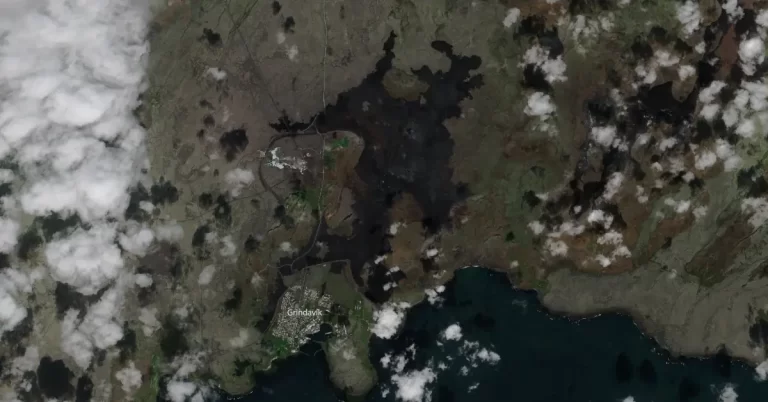
    Unfavorable weather conditions have disrupted the earthquake monitoring system on Reykjanes Peninsula by dampening small events, resulting in a lower number of detected earthquakes since Saturday, March 2, 2024. Nevertheless, the volume of magma beneath Svartsengi continues to increase, which could result in a new dike intrusion and possibly an eruption with very short notice.