• Magma volume under Svartsengi approaches eruption threshold, Iceland

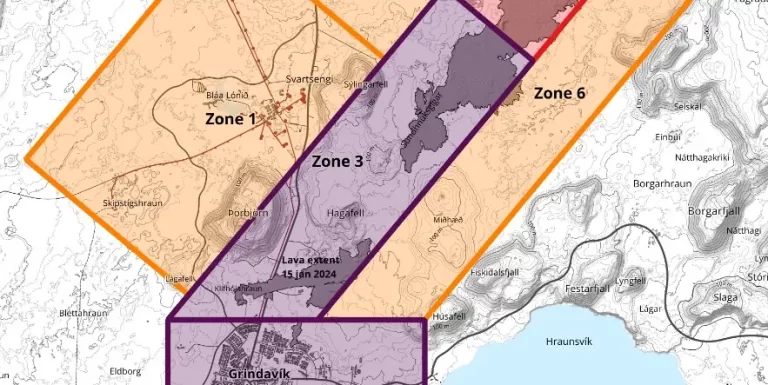
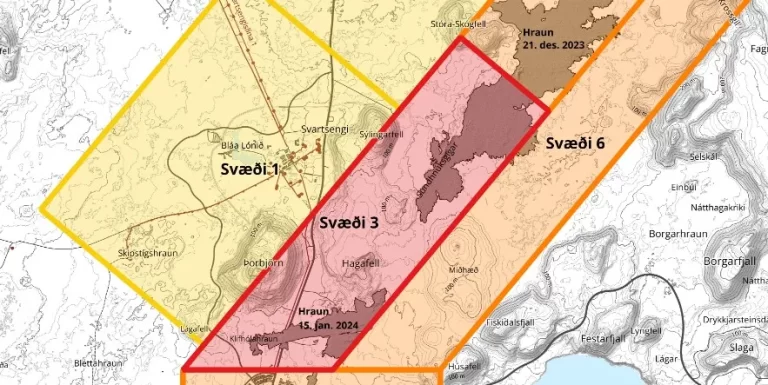
    Updated modeling shows Svartsengi’s magma volume reached 7.6 million m³ (268.3 million ft³) on February 26, 2024, and is now near or at the eruption threshold. With seismic activity increasing, particularly east of Sýlingarfell, the Norwegian Meteorological Agency has raised risk assessments, marking the Sundhnjúka crater series at high risk and adjusting other zones accordingly.
  • Grindavik faces significant risk of ground collapse due to fissures, Iceland

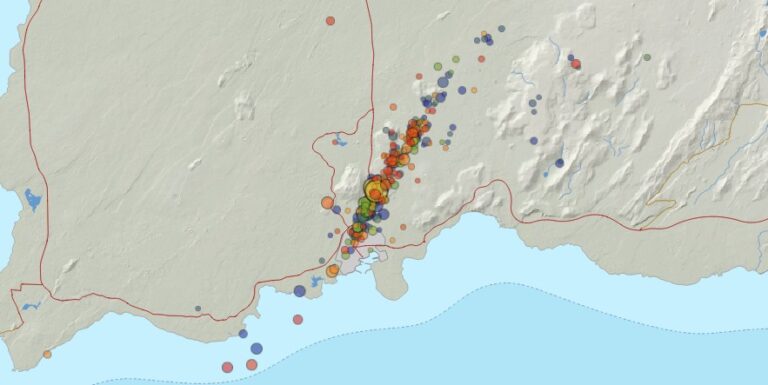
    Recent volcanic activity in the Svartsengi area has led to continuous land uplift, although the exact rate is still being determined through GNSS measurements. Around 200 earthquakes, the largest measuring M1.4, have been recorded near the magma conduit since yesterday. Despite a reduction in earthquake frequency, significant risks, including ground collapse, remain for the nearby Grindavík area.

  • Eruption started north of Grindavík, lava enters city limits, Iceland

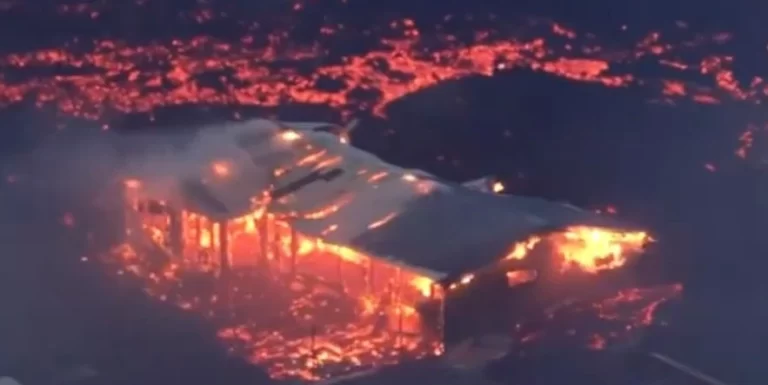
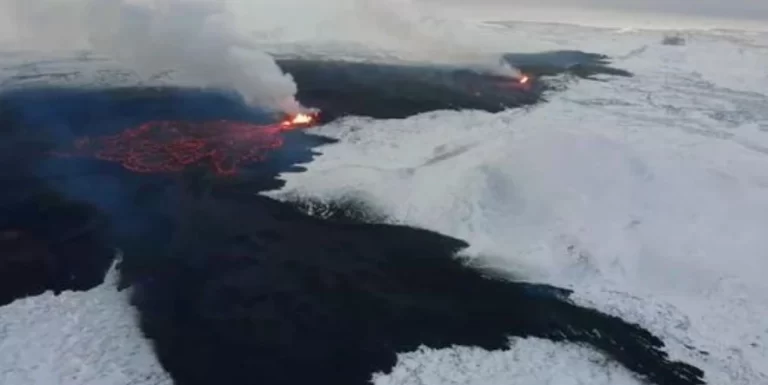
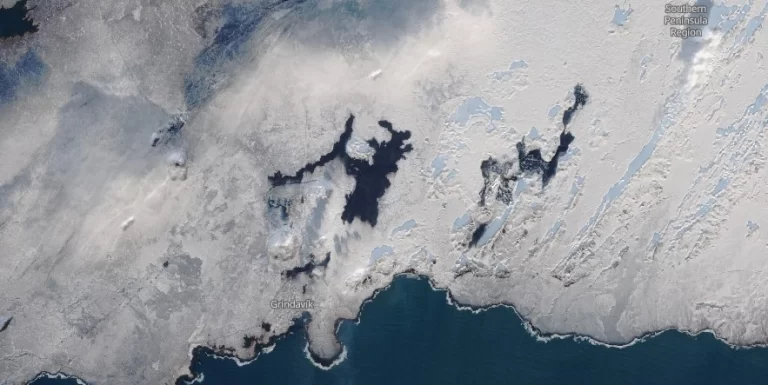
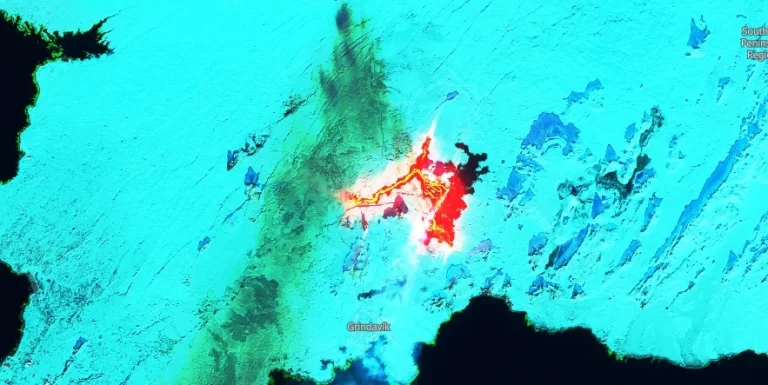
    Another eruption began south-southeast of Hagafell, Reykjanes Peninsula, Iceland at 07:57 UTC on January 14, 2024. The latest images show the lava flowing toward the town of Grindavik. The perimeter was about 450 m (1 470 feet) from the northernmost houses in the town around 08:40 UTC.

  • Volcanic eruption starts near Grindavik, Reykjanes Peninsula, Iceland

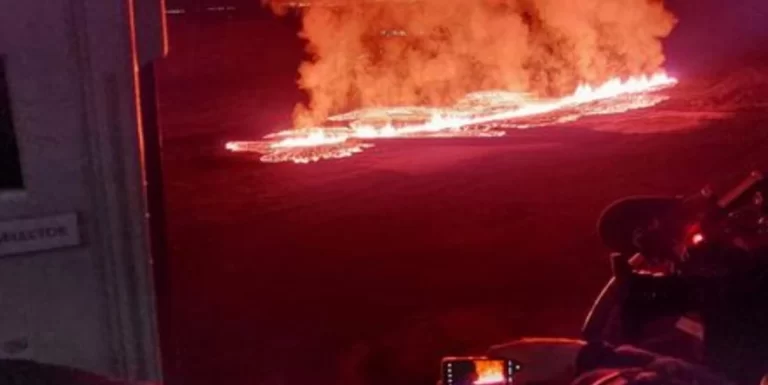
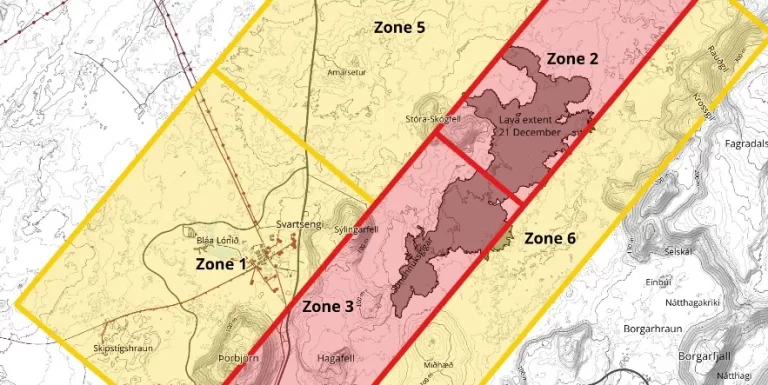
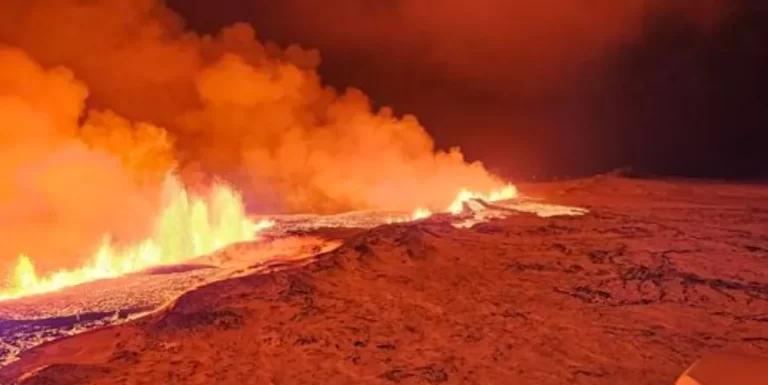
    A new volcanic fissure eruption started at 22:17 UTC on December 18, 2023, about 4 km (2.5 miles) NE of the town of Grindavik, Reykjanes, Iceland. The eruptive fissure is about 4 km long, with the northern end just east of Stóra-Skógfell and the southern end just east of Sundhnúk.