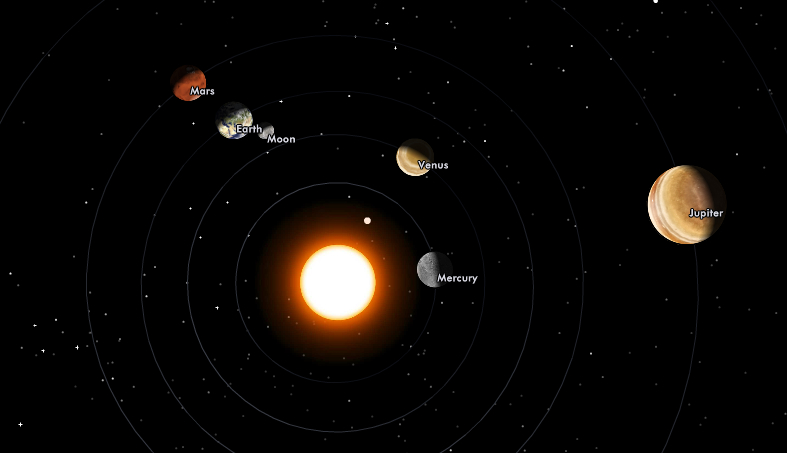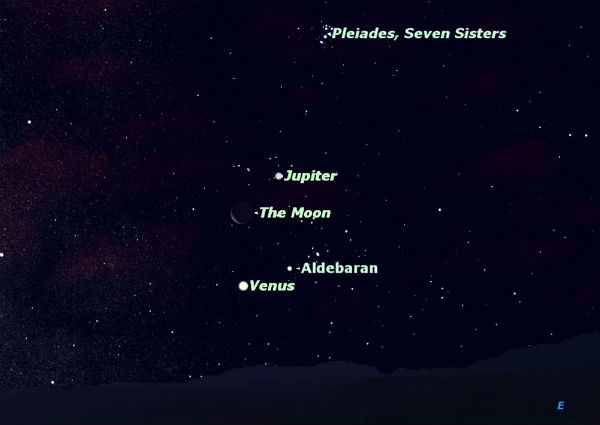
• Moon, Venus and Jupiter sky show in early morning sky

    Venus, Jupiter and the moon will gather together in the early morning sky Sunday (July 15). Set your alarm clock for around 4:30 a.m. local time on Sunday and watch east-northeast sky. The crescent moon, just 13%i lluminated, appears in close proximity to the two
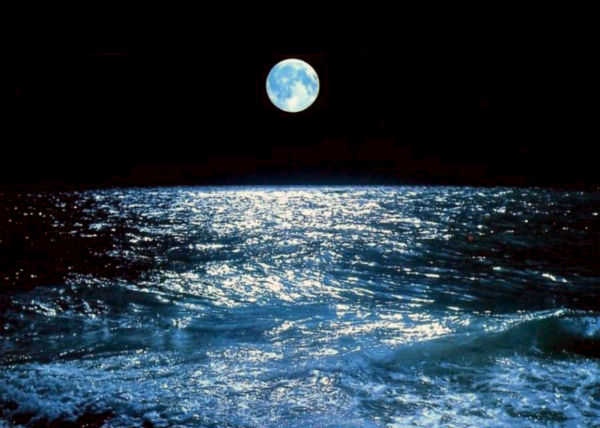
  • Full Moon and high perigean spring tides

    Tonight the moon is closest to the Earth and we will see the phenomenon called a ‘perigean spring tide’. Tides are long-period waves that roll around the planet as the ocean is ‘pulled’ back and forth as the moon and the sun interact with the Earth in their monthly

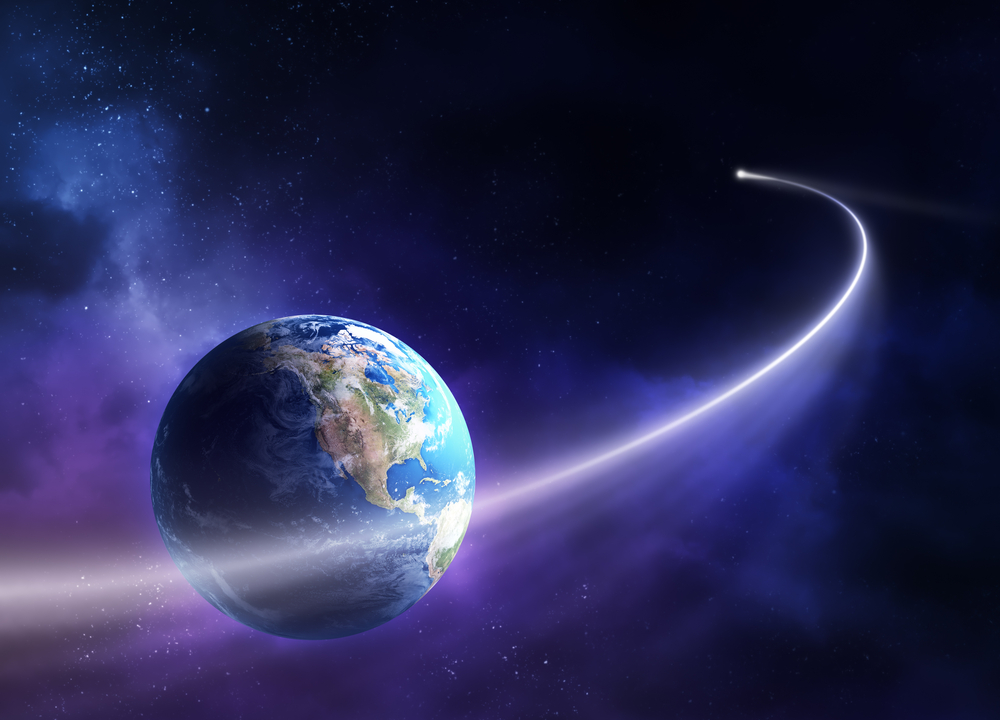
  • Goodbye Comet Elenin!

    Comet Elenin, or to be precise, its debris, made its closest pass by Earth on Oct. 16, 2011 without causing any earthquakes, tsunamis, or high tides and it didn’t collide with Earth, either. Strangely, but here was no brown dwarf or Mothership hidden in the

  • International Observe the Moon Night (October 8, 2011)

    Most of us space-minded folks don’t need an excuse to gaze upon the brightest object in the night sky – our own Moon. But just in case you need a reason or are hoping to convince some friends or family to take a look with you, there’s a special event coming up

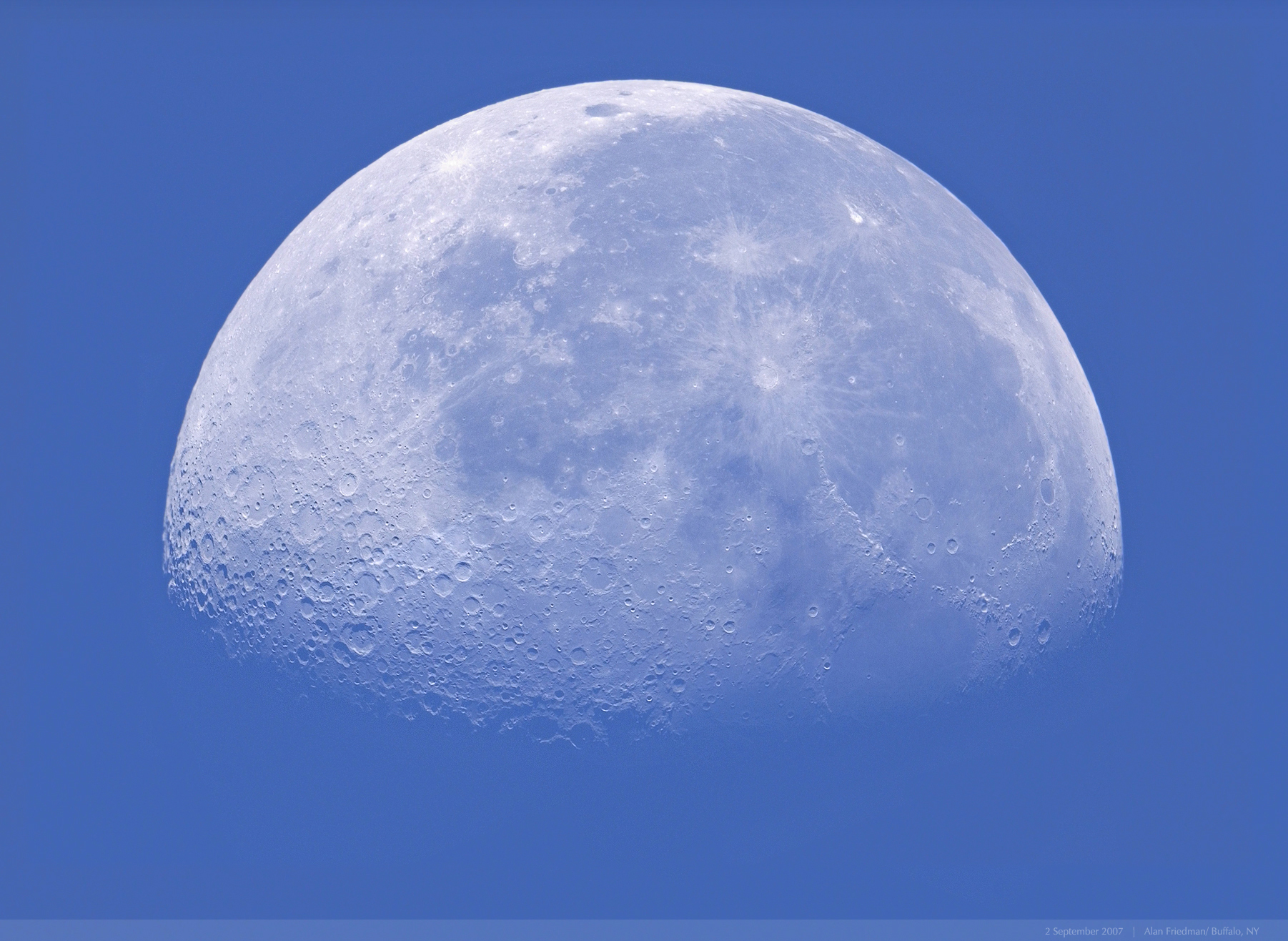
  • How can we see the Sun and the Moon at the same time?

    Many people only notice our Moon at night, when there is considerably more contrast between the Moon and the night sky. Being the second brightest object in the sky (after the Sun, of course) and with Venus visible during the day to trained eyes, it’s no real