The variable magnetic field of the Moon
Current physics does not accept or rather understand that during the full moon and new moon, a very strong surface magnetic field is generated.


Current physics does not accept or rather understand that during the full moon and new moon, a very strong surface magnetic field is generated.
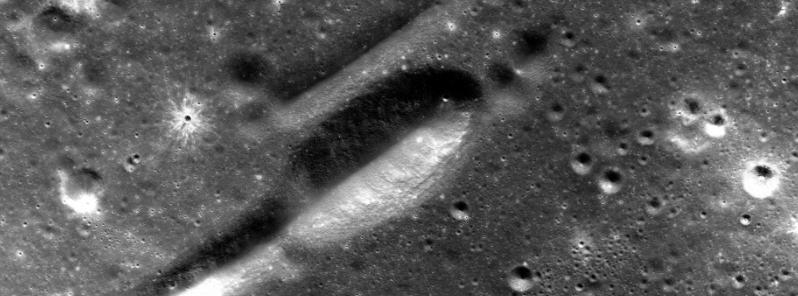
A new study by researchers from Arizona State University (ASU) suggests that the early Moon may have been more volatile-rich than previously believed. Previous studies concluded that lunar volcanoes had exploded primarily cold bedrock, but the ASU team said there…

The United States Geological Survey (USGS), in collaboration with NASA and the Lunar Planetary Institute, has released the Unified Geologic Map of the Moon– the first time the entire lunar surface has been completely mapped. "People have always been fascinated…

A new study conducted by a research team at the National Astronomical Observatories of the Chinese Academy of Sciences (NAOC) has revealed new secrets below the surface of the Moon's farside through the spacecraft Chang'E-4 and its rover Yutu-2….
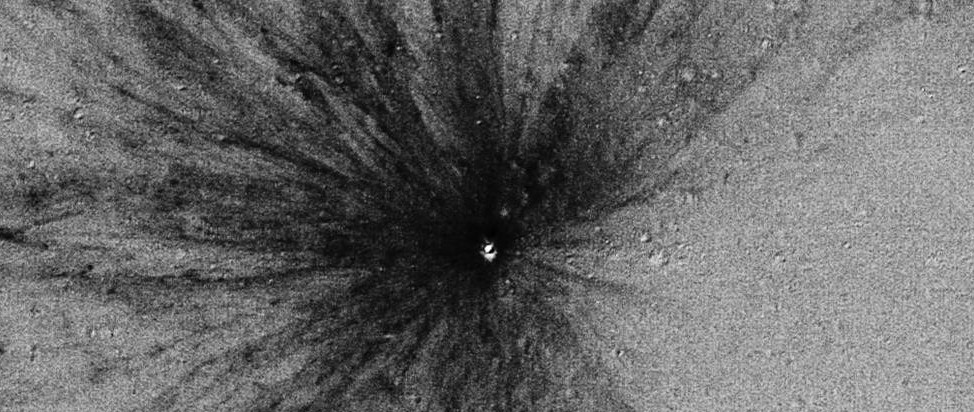
In the past 7 years, meteorites have made at least 222 impact craters on the surface of the Moon which is 33% more than predicted, according to a new study published this week in Nature. The work is considered a significant advance in the field of crater chronology….
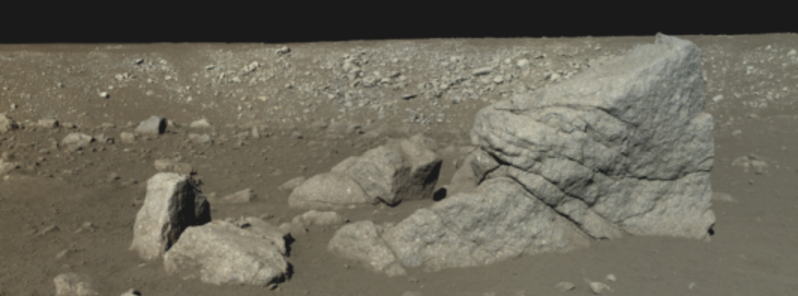
The China National Space Administration has published hundreds of previously unseen high-quality images, videos and scientific data of the Moon. The information was gathered by the Chang'e-3 lunar rover and is now available to anyone who is interested in it. …
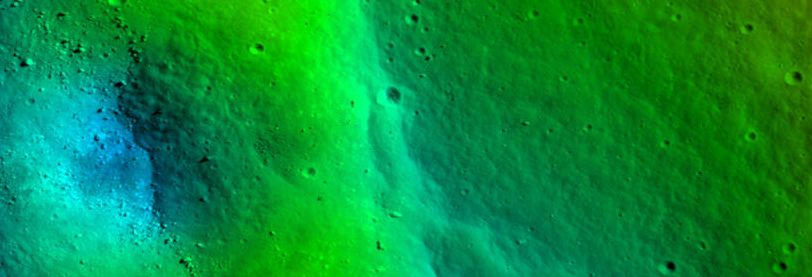
New data obtained by NASA's Lunar Reconnaissance Orbiter (LRO) spacecraft show Earth's gravity has made a visible impact on the orientation of faults in the Moon's surface, NASA announced on September 15, 2015. LRO was launched on June 18, 2009 and has so fa
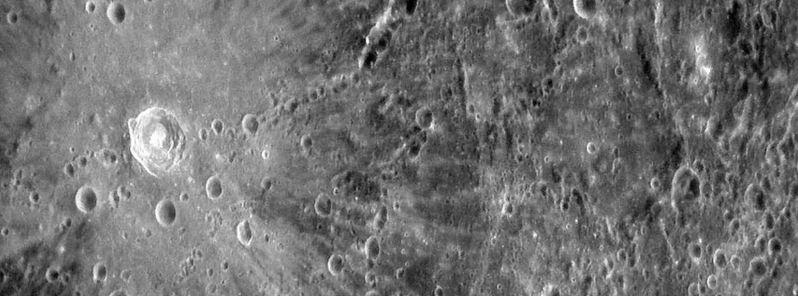
Half-a-century ago, at the height of the Cold War, the Space Race between two competing superpowers set mankind on an accelerated path toward placing a man on the Moon. In addition to its geopolitical significance, the Moon was central in the evolution of planetary scie
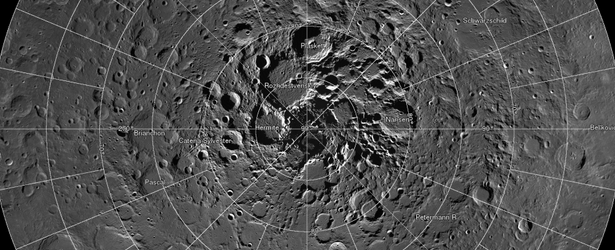
Scientists, using cameras aboard NASA's Lunar Reconnaissance Orbiter (LRO), have created the largest high resolution mosaic of our moon’s north polar region. The six-and-a-half feet (two-meters)-per-pixel images cover an area equal to more than one-quarter of
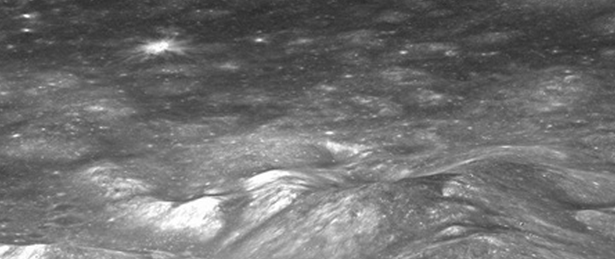
Examining lunar crater Bullialdus scientists have detected water on the Moon's surface that originates from deep within the Moon's interior – magmatic water.
The discovery represents an exciting contribution to the rapidly changing understanding
