• Discovery of electromagnetic wave reveals new phenomenon affecting Earth’s radiation belts

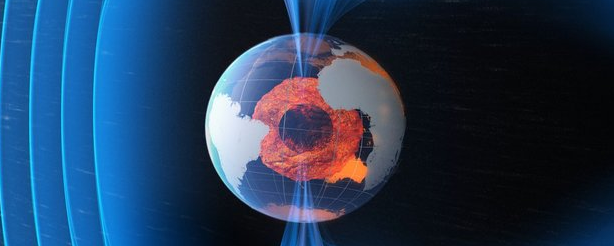
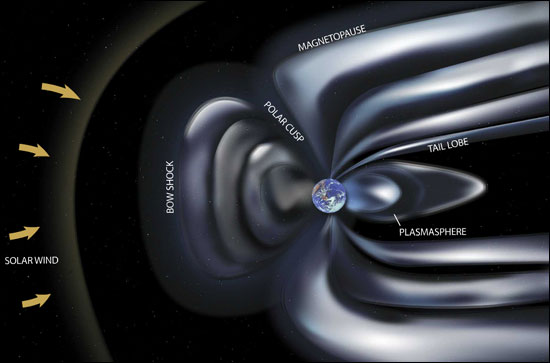
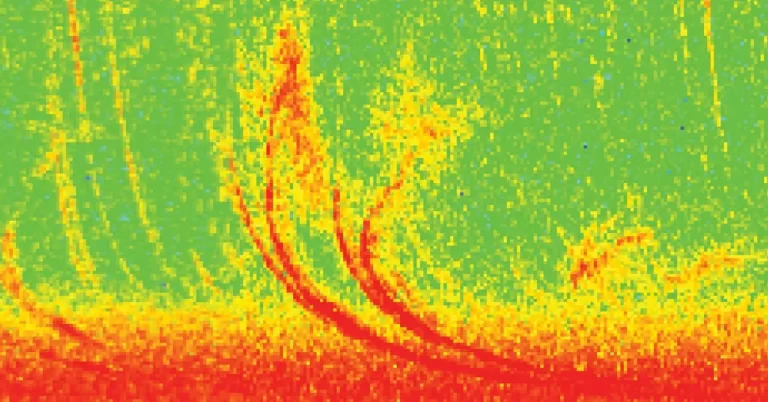
    Researchers at the University of Alaska Fairbanks identified a new electromagnetic wave called the “specularly reflected whistler.” This wave, caused by low-latitude lightning, challenged earlier notions by revealing that lightning energy can escape the ionosphere and enter the magnetosphere, impacting space weather dynamics. The discovery of the “specularly reflected whistler” which is an electromagnetic wave…
  • Impacts of solar flare on the Earth’s magnetosphere

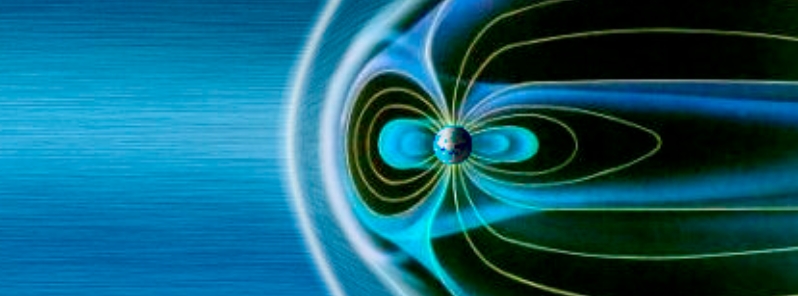
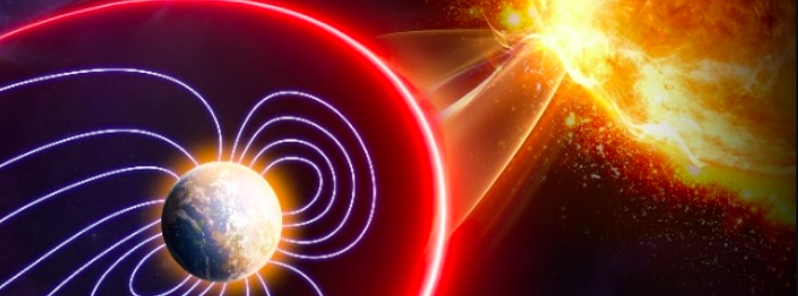
    In a new study published recently in Nature Physics, researchers at Shandong University in China and the National Center for Atmospheric Research in the U.S. provided new insight into the effects of solar flares on the Earth's magnetosphere. The scientists…

  • Research reveals unknown mechanisms that generate auroras

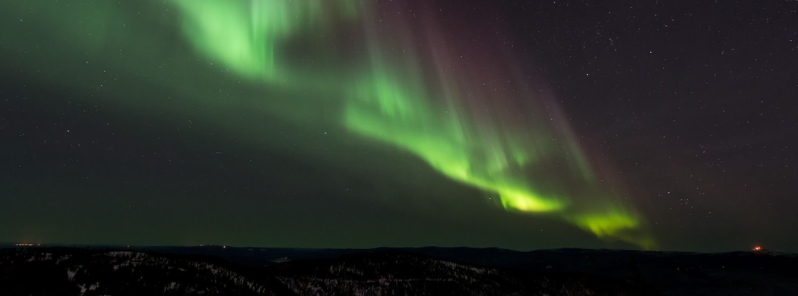
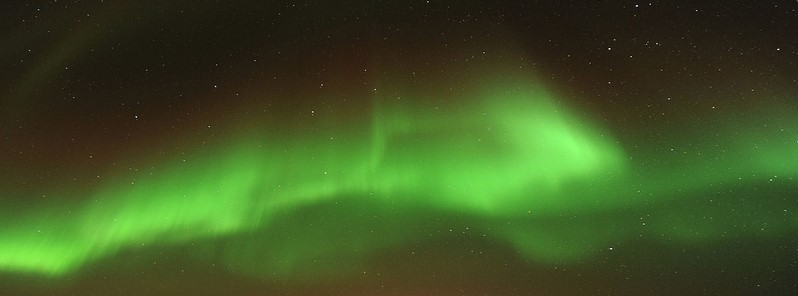
    New research has revealed an unknown mechanism of the magnetosphere– electrons from the Sun are propelled by electrical energy higher than previously thought, ultimately creating displays of northern and southern lights or auroras. The formation of auroras starts…

  • Two-step energy transfer in Earth’s magnetosphere

    Scientists have obtained in situ measurements of Earth's magnetosphere, demonstrating a phenomenon that's long been thought to happen but not yet directly been shown: energy is transferred from hydrogen ions to plasma waves, and then from the waves to helium…

  • Earth’s magnetic field showing signs of significant weakening

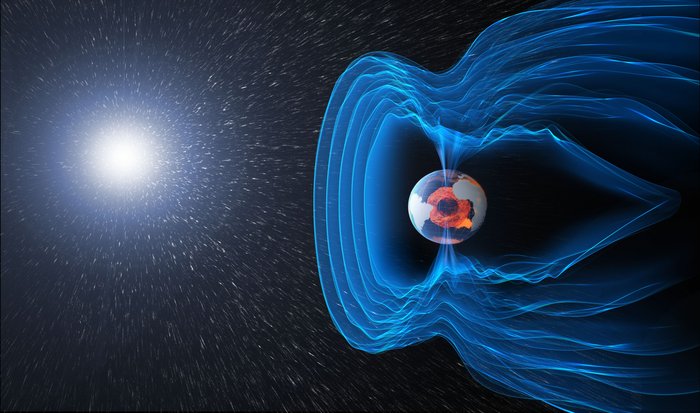
    ​The first set of high-resolution results from ESA’s three-satellite Swarm constellation reveals the most recent changes in the magnetic field that protects us from cosmic radiation and charged particles that bombard Earth. Magnetic field is in a permanent…

  • Six years of observing the Earth's magnetosphere

    There is still only a handful of spacecraft to watch for solar and magnetic storms but the number of observatories has been growing over the last six years. Today, these spacecraft have begun to provide the first multipoint measurements to better understand space