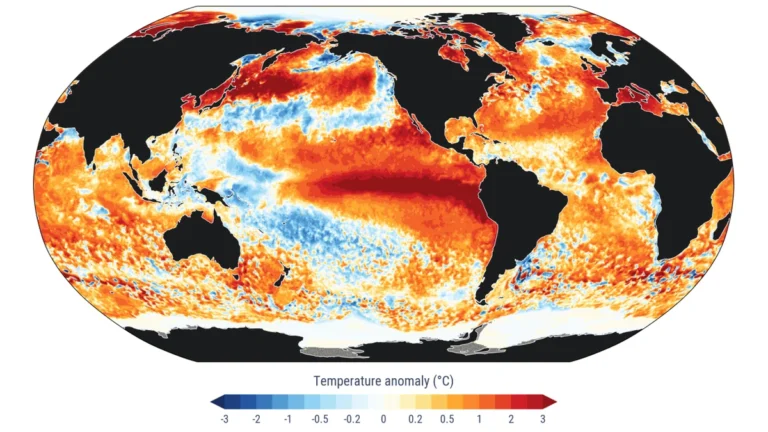
• Global sea surface temperature sets new record, reaching 21.1°C (70°F) as El Niño strengthens

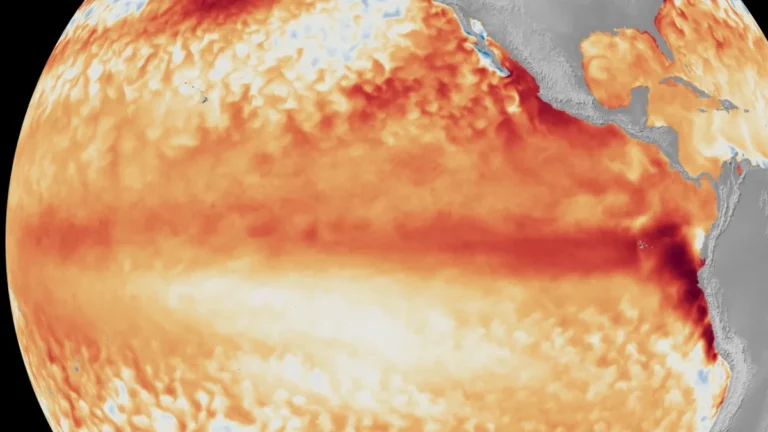
    The daily average sea surface temperature across the extra-polar global ocean, between 60°S and 60°N, reached 21.1°C (70°F) on August 22, 2026, the highest value in the Copernicus Climate Pulse record beginning in 1979. The reading exceeded the previous daily record of 21.09°C (69.96°F), set in March 2024, and came in August, although temperatures across the domain normally reach their annual maximum in March and April.
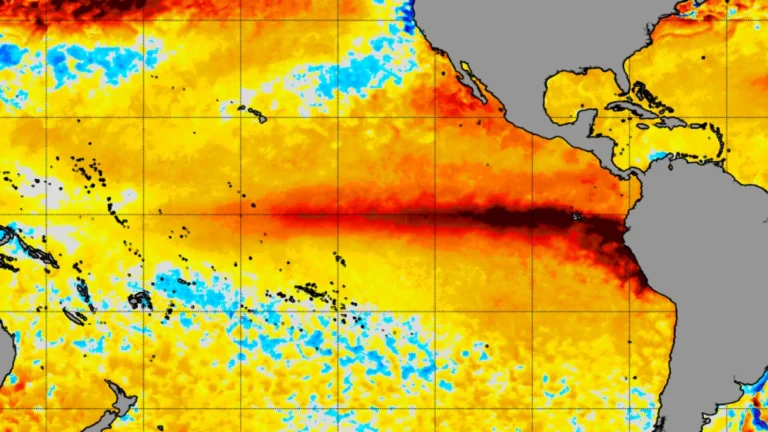
  • El Niño forecast to reach historic strength ahead of winter 2026–27

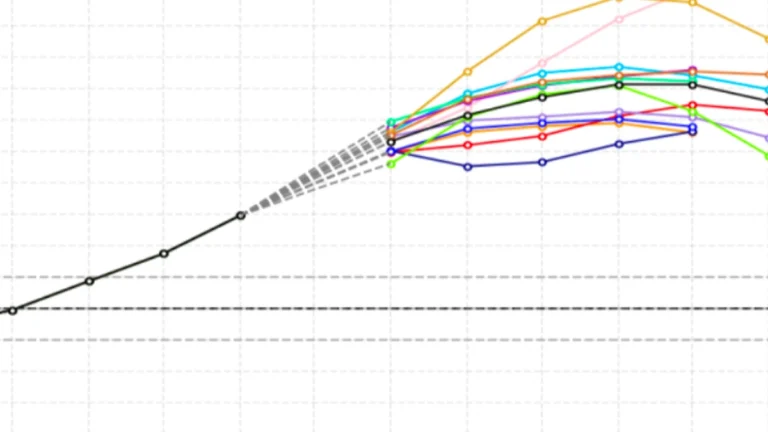
    NOAA’s Climate Prediction Center (CPC) has raised the probability of a very strong El Niño during late 2026, increasing the likelihood of characteristic El Niño impacts across the United States during winter 2026–27. Current seasonal guidance favors wetter-than-normal conditions across much of the southern tier and drier conditions across parts of the Northwest and northern United States, while above-normal temperatures are favored across much of the West, northern tier and parts of the East.

    The probability of a very strong El Niño during October–December rose from 81% in CPC’s July assessment to 95% in August, with a 69% chance that the Relative Oceanic Niño Index (RONI) will reach at least +2.5°C (+4.5°F), a level that would exceed previous El Niño events in NOAA’s record dating to 1950. The strength and location of tropical Pacific warming and convection will influence how closely winter 2026–27 follows established El Niño patterns.

  • NOAA confirms strengthening El Niño, with 81% chance of very strong conditions in October–December 2026

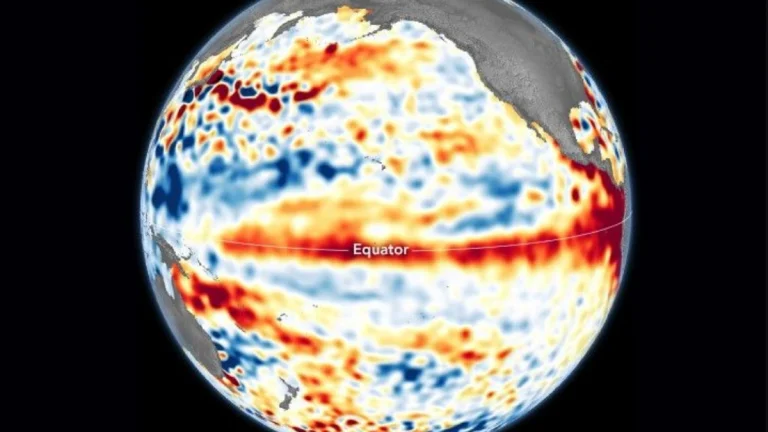
    El Niño is present and strengthening across the central and eastern equatorial Pacific, the National Oceanic and Atmospheric Administration (NOAA) confirmed on August 3, 2027.Meanwhile its July strength outlook gives an 81% chance of very strong conditions during October–December 2026. WMO’s August–October 2026 outlook also shows associated shifts in seasonal temperature and rainfall probabilities across multiple regions.NOAA maintains an El Niño Advisory.

  • Rare Atlantic Niña develops as strengthening El Niño points to quieter 2026 Atlantic hurricane season

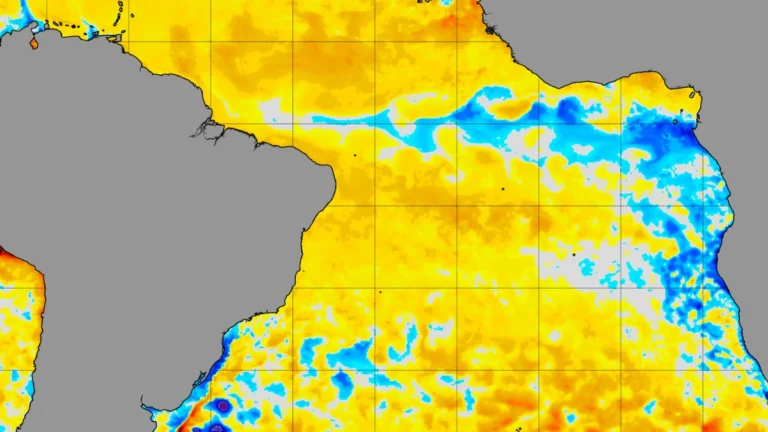
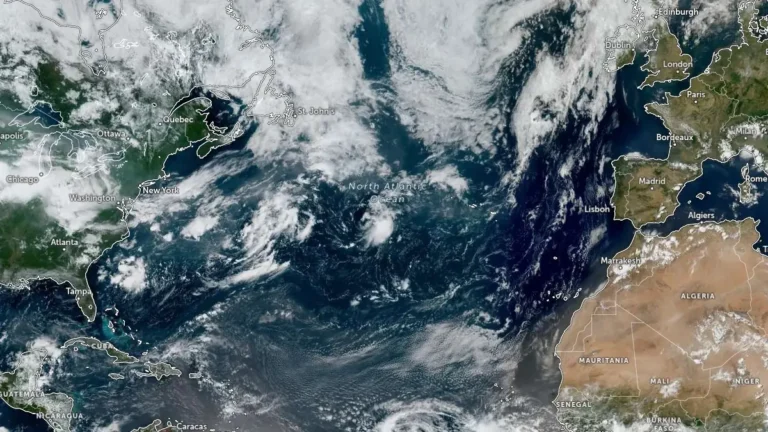
    A rare Atlantic Niña has developed across the equatorial Atlantic while El Niño continues strengthening in the tropical Pacific. Although Atlantic Niña events are relatively uncommon, forecasters say the developing pattern could reinforce atmospheric conditions that typically suppress tropical cyclone formation across the Atlantic basin.

  • Strengthening El Niño and Atlantic cold anomaly in focus for Winter 2026–27 outlook

    A strengthening El Niño and a persistent cool sea-surface-temperature anomaly in the subpolar North Atlantic, associated with the feature known in climate research as the North Atlantic warming hole, may influence large-scale atmospheric circulation during early Winter 2026–27 across North America and Europe, according to seasonal forecast guidance from major international forecasting centers.

  • Peru declares state of emergency ahead of 2026–2027 El Niño rains

    Peru has declared a 60-day state of emergency in 796 districts across 22 departments and the Constitutional Province of Callao on July 2, 2026, because of the imminent threat of intense rainfall associated with the 2026–2027 El Niño phenomenon, activating nationwide preparedness and disaster risk reduction measures.

  • El Niño develops, NOAA estimates 63% chance of a very strong event in 2026–27 winter

    El Niño conditions have developed in the tropical Pacific Ocean and are expected to strengthen through the Northern Hemisphere winter of 2026-27, according to the National Oceanic and Atmospheric Administration (NOAA). The Climate Prediction Center (CPC) issued an El Niño Advisory on June 11, 2026, after oceanic and atmospheric conditions shifted into an El Niño pattern.