• El Niño in the tropical Pacific continues to strengthen

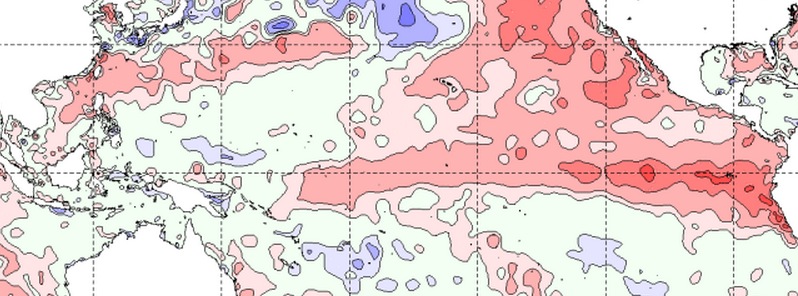
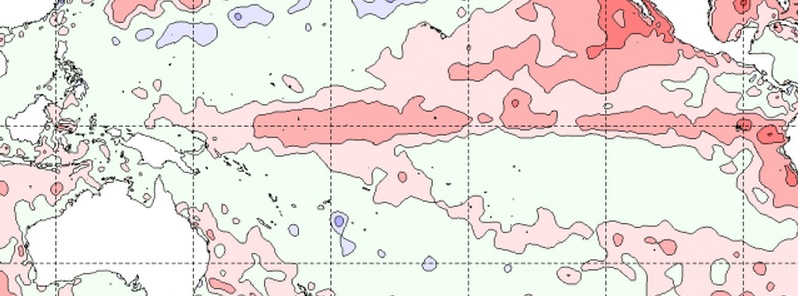
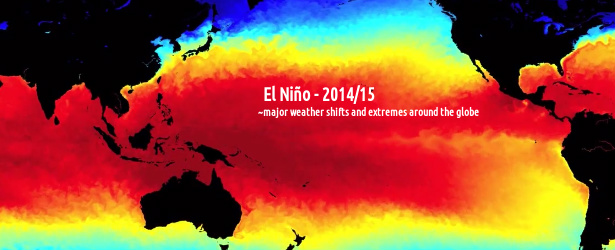
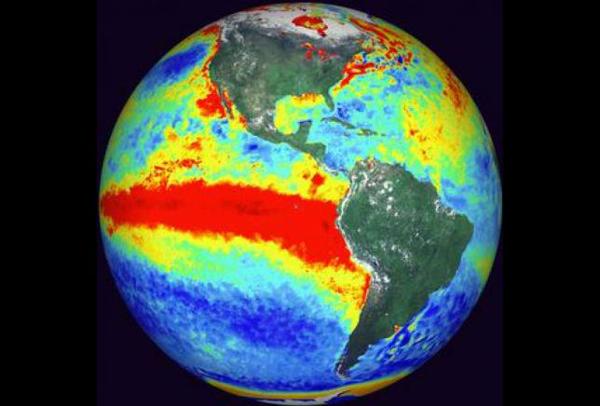
    The El Niño in the tropical Pacific continues to strengthen, Australian Bureau of Meteorology (BOM) reports today. International climate models surveyed by BOM indicate sea surface temperatures will remain well above El Niño thresholds at least into the

  • The fickle El Nino of 2014

    Prospects have been fading for an El Niño event in 2014, but now there's a glimmer of hope for a very modest comeback. Scientists warn that unless these developing weak-to-modest El Niño conditions strengthen, the drought-stricken American West shouldn

  • Study reveals economic impact of El Niño

    El Niño has a significant impact on the world and local economies – and not always for the worst – and countries should plan ahead to mitigate its effects, according to a new Working Paper from the University of Cambridge.The paper, Fair weather or foul: the

  • Impacts of El Niño and La Niña on the hurricane season

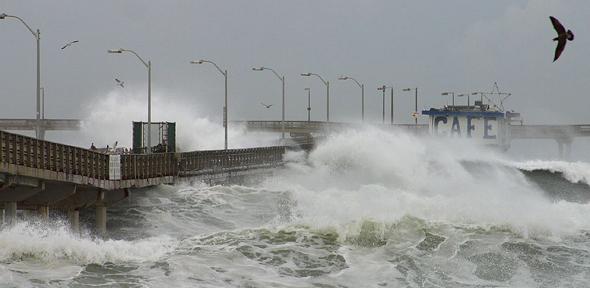
    Researchers have found that instances of Atlantic tropical storms and hurricanes are usually reduced during an El Niño year. 2014 hurricane season just started and there is a strong potential for El Niño to develop during the next few months.El

  • Super strong El Niño in 2014?

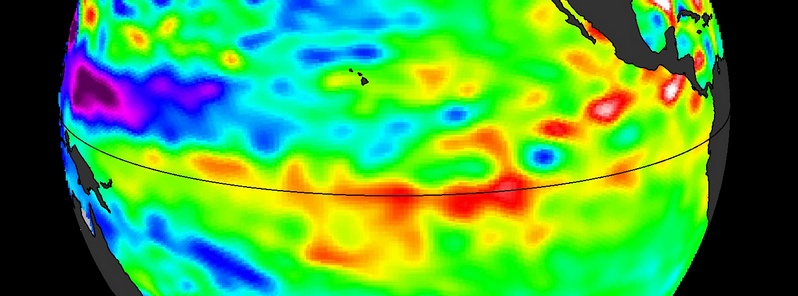
    Conditions in the Pacific Ocean continue to suggest that a super strong El Niño might be forming in 2014. Strong bursts of winds coming out of the west in the equatorial tropical Pacific replaced the easterly winds and ocean surface currents, which

  • Sea surface temperatures at the start of hurricane season

    The official start of hurricane season is June 1, though four named tropical storms in May – Alberto and Beryl in the Atlantic, Aletta and Bud in the Pacific – came little earlier. These early home-grown storms are not necessarily a predictor of the August to October

  • La Niña is back

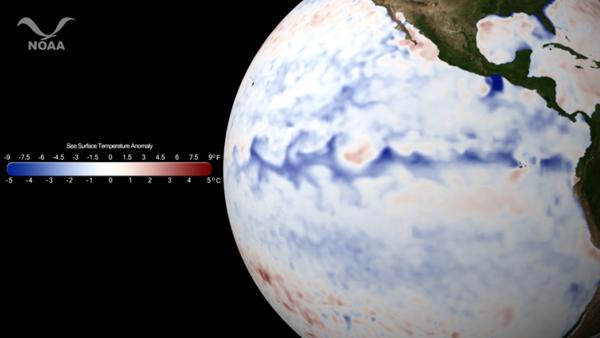
    La Niña is defined as cooler than normal sea-surface temperatures in the central and eastern tropical Pacific ocean that impact global weather patterns. La Niña conditions recur every few years and can persist for as long as two years.A sea surface anomaly, or

  • Scientists claim that Earth is not expanding

    Since Darwin’s time, scientists have speculated the planet might be expanding or contracting. Even with the acceptance of plate tectonics half a century ago, which explained the large-scale motions of Earth’s outermost shell, the accusations persisted; some Earth and

  • El Nino will get more extreme

    El Niño and La Niña are the warm and cold phases, respectively, of the pattern known as the El Niño Southern Oscillation (ENSO) in the eastern half of the tropical Pacific. Forecasting how this pattern will behave a few months in advance is now…