I’m a science journalist and researcher at The Watchers, contributing to the Epicenter edition, where I cover peer-reviewed scientific research and emerging discoveries across Earth and space sciences. With a background in astronomy and a passion for environmental science, I’ve worked in shark and coral conservation in Fiji, conducting reef and shark-behavior research, contributing to mangrove restoration, and earning PADI Open Water and Coral Reef Certifications. I bring a blend of scientific rigor and storytelling to illuminate the discoveries shaping our planet and beyond.

  • WorkSafe launches investigation into fatal Mauao landslide as 42 landslides remain under assessment, New Zealand

    WorkSafe New Zealand confirmed on February 20, 2026, that it has launched a formal investigation into the January 22 landslide on Mauao (Mount Maunganui) in Tauranga, Bay of Plenty, that killed six people at the Mount Maunganui Beachside Holiday Park. The investigation will examine work-related health and safety matters under the Health and Safety at Work Act 2015, following the completion of Police recovery operations on February 1.

  • Wildfires trigger Agricultural Emergency as Texas activates expanded state response ahead of critical fire danger

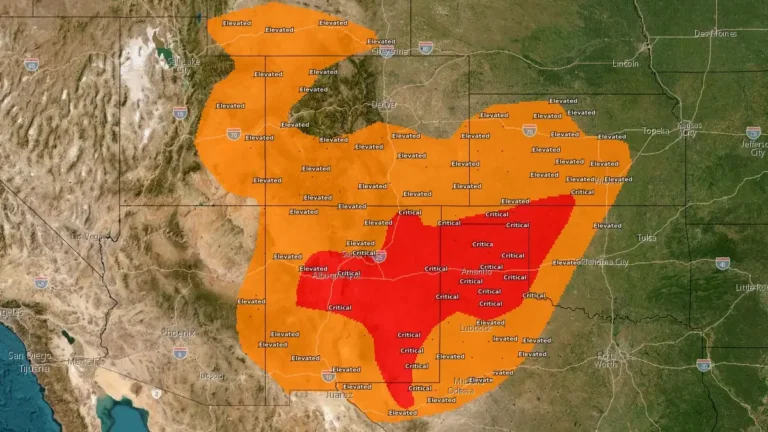
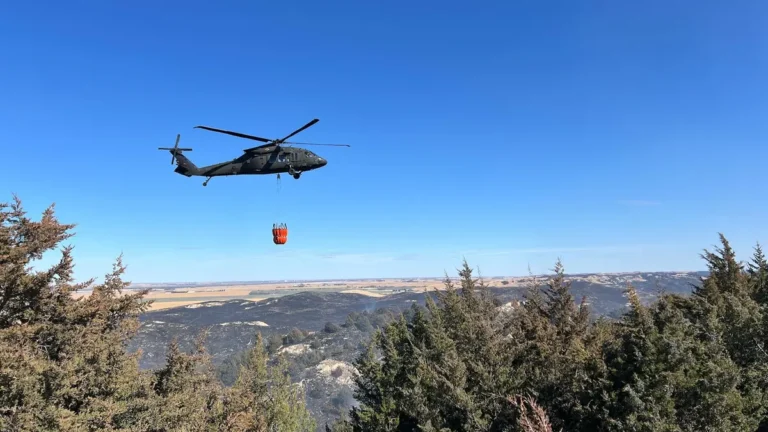
    Wildfires burning across the Texas Panhandle and West Texas prompted Agriculture Commissioner Sid Miller to declare an Agricultural Emergency on February 18, 2026, while Governor Greg Abbott directed the Texas Division of Emergency Management to activate additional state wildfire response resources ahead of elevated-to-critical fire weather conditions across South, West, and Northwest Texas. Extremely critical fire danger continues across portions of the state as dry fuels and periodic wind gusts persist.

  • Red Code blizzard warning issued as 50 cm (20 inches) of snow disrupts transport in Bucharest, Romania

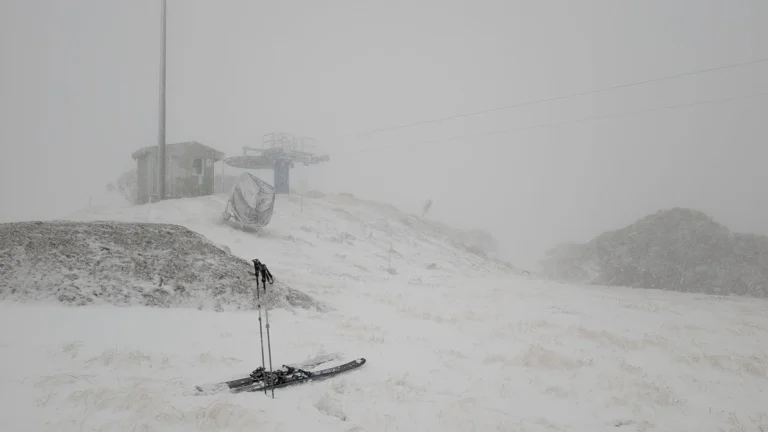
    A severe snowstorm hit Bucharest and Ilfov County, Romania, between 04:20 and 08:20 LT on February 18, 2026, after the National Meteorological Administration (ANM) issued Red Code warnings for intense snowfall. Snow accumulation exceeded 50 cm (20 inches) in parts of the capital, prompting 495 emergency interventions. The storm suspended trains, canceled flights, blocked highways, and caused widespread transport disruption.

  • Floods during the 2025–26 rainy season leave 223 dead and 860 000 affected across Mozambique

    Flooding during Mozambique’s 2025–26 rainy season has left 223 people dead and affected 860 346 others nationwide since October 2025, according to the National Institute for Disaster Management and Risk Reduction (INGD). Heavy rainfall, river overflows, and cyclone impacts have displaced more than 392 000 people, destroyed thousands of homes, and inundated over 554 000 ha (1.37 million acres) of agricultural land.

  • Extreme and Critical fire weather trigger widespread Red Flag Warnings across Plains and Front Range

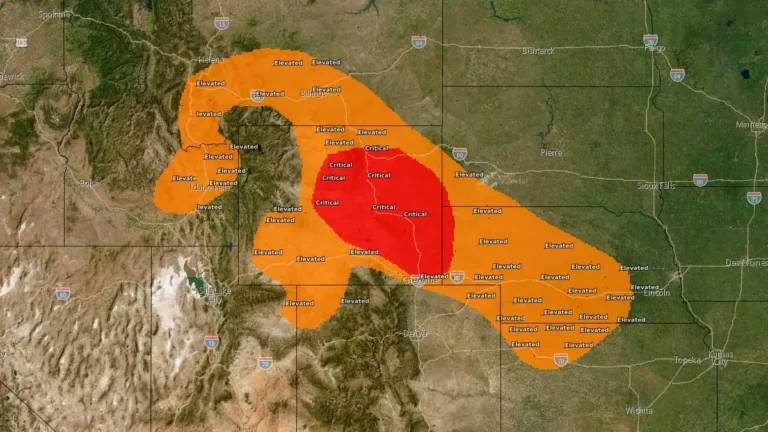
    Extremely critical fire weather conditions developed across parts of eastern Colorado, western Kansas, and the Texas and Oklahoma Panhandles on February 17, 2026, as a strengthening storm system produced very strong winds and exceptionally low humidity. Wind gusts locally exceeded 95 km/h (60 mph), while afternoon relative humidity values fell into the single digits. The Storm Prediction Center issued an Extremely Critical Fire Weather Outlook, and multiple National Weather Service offices posted Red Flag Warnings, including Particularly Dangerous Situation designations in some counties.

  • Tropical Cyclone Gezani leaves at least 63 dead across Madagascar and Mozambique

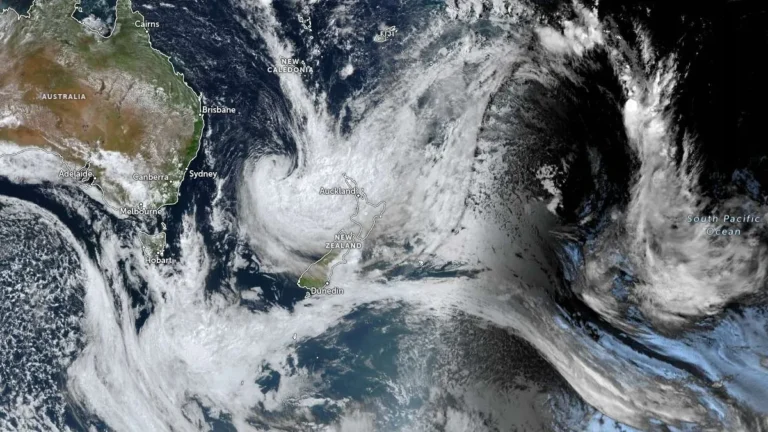
    Tropical Cyclone Gezani has left at least 63 people dead across Madagascar and Mozambique after striking eastern Madagascar on February 10, 2026, and later passing 15 km (9 miles) offshore from Mozambique’s Inhambane coast before weakening over the Mozambique Channel. Madagascar’s disaster management authority reports 59 fatalities, 15 missing persons, and 804 injured, with 423 986 people affected nationwide, while Mozambique officials confirmed four deaths and continued infrastructure disruption. Heavy rain and coastal hazards persisted into February 17 as the system looped west of southern Madagascar.

  • Progressive ground collapse in Central Aceh reaches 3 ha (7.4 acres), moves closer to homes and strategic infrastructure

    A large ground collapse in Pondok Balik Village, Ketol District, Aceh Tengah Regency, Indonesia, has expanded to approximately 3 ha (7.4 acres). Monitoring data from the Aceh Energy and Mineral Resources Office (ESDM Aceh) show the affected area has grown from about 2.8 ha (6.9 acres) in 2022 and has now reached the main road corridor. Field reports indicate the active scarp continues to move toward farmland and residential areas located roughly 300–400 m (984–1 312 feet) away.

  • Potomac Interceptor collapse among largest municipal wastewater spills in U.S. history

    A section of the Potomac Interceptor sewer line failed on January 19, 2026, in Montgomery County, Maryland, releasing more than 920 million liters (243 million gallons) of untreated wastewater into the Potomac River. By volume, the incident ranks among the largest documented municipal wastewater spills in U.S. history. Elevated bacterial concentrations prompted recreational advisories and shellfish closures while emergency bypass operations continued into mid-February.

  • Second eruption follows January unrest at Piton de la Fournaise, La Réunion

    A second effusive eruption began at Piton de la Fournaise, La Réunion, at 10:06 LT on February 13, 2026, after a new seismic crisis beneath the summit. The eruption is occurring on the south–south-east flank inside the Enclos Fouqué caldera, where fissures opened and lava flows are descending the Grandes Pentes. Authorities activated ORSEC Alert 2–1 and closed access to the caldera.