
Record-high sulfur dioxide emissions force evacuations around Kanlaon volcano, Philippines
Increased activity and very high sulfur dioxide (SO2) emissions at Kanlaon volcano in the Philippines forced approximately 300 residents living within 4 km (2.5 miles) of the volcano to evacuate on Tuesday, September 10, 2024.
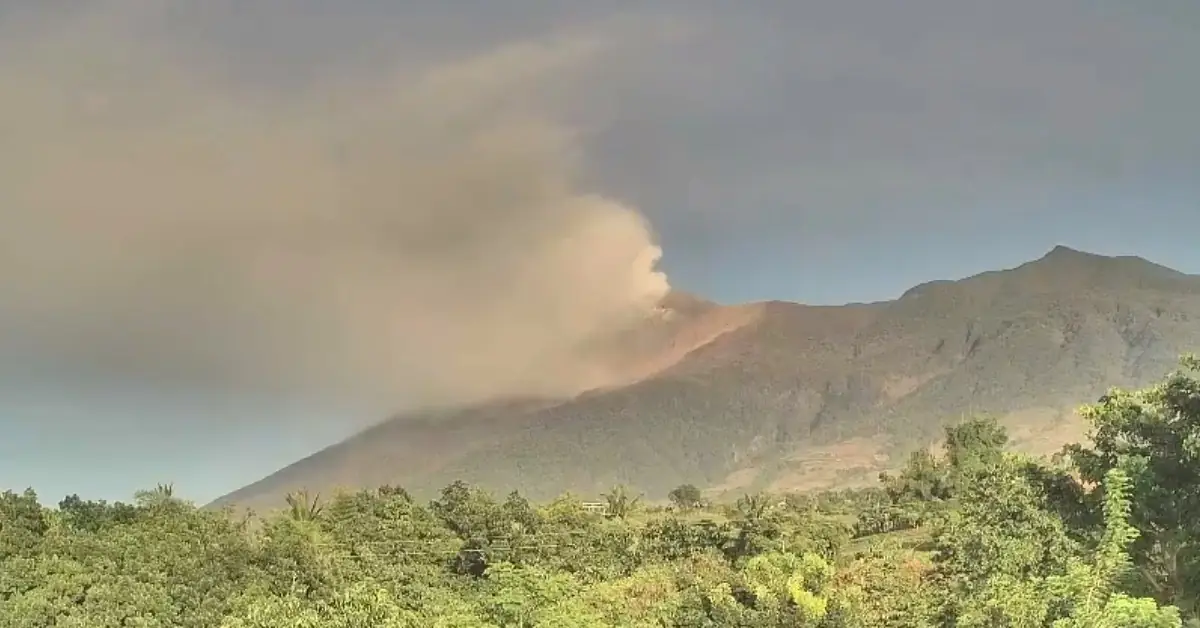
Image credit: PHIVOLCS
- Kanlaon volcano’s SO2 emissions spiked to 9 985 tonnes/day, leading to the evacuation of 300 residents within 4 km (2.5 miles) on September 10.
- SO2 exposure can cause respiratory issues, especially for vulnerable groups. Residents are advised to stay indoors and wear protective masks.
- Kanlaon remains at Alert Level 2, with potential for increased volcanic activity.
- Residents are strongly advised to avoid the 4 km (2.5 miles) Permanent Danger Zone and to take precautions against volcanic hazards such as pyroclastic flows, ash fall, and lahars during heavy rainfall.
According to the Canlaon City government, the evacuees have taken shelter in schools and communities away from the volcano. Additionally, classes and some tourist spots in the city have been suspended.
Volcanic sulfur dioxide (SO2) gas emissions from Kanlaon’s summit crater, based on campaign Flyspec measurements on Tuesday, averaged 9 985 tonnes/day.
On the same day, 337 volcanic earthquakes were registered and a voluminous plume reached 1 000 m (3 280 feet), drifting southeast. Additionally, the volcano’s edifice is inflated, indicating potential magma movement.
According to PHIVOLCS, this is the highest sulfur dioxide emission from the volcano recorded since instrumental gas monitoring began.
Kanlaon has been releasing increased concentrations of volcanic sulfur dioxide this year at an average rate of 1 273 tonnes/day before the June 3, 2024, eruption. However, emissions have since risen significantly, with a current average of 3 468 tonnes/day.
Sulfuric odors have been reported in the following areas: Brgy. Ilijan in Bago City; Brgy. Ara-al and Brgy. San Miguel in La Carlota City; and Brgy. Masulog, Brgy. Linothangan, and Brgy. Pula in Canlaon City.
Footage taken by the Canlaon City (KVO) Observation Station IP camera of active degassing from Kanlaon’s summit crater 10 September; 2024 05:30 AM. pic.twitter.com/RgOfNIpkAP
— PHIVOLCS-DOST (@phivolcs_dost) September 11, 2024
Footage taken by the Mansalanao, La Castellana IP camera of active degassing from Kanlaon’s summit crater 10 September 2024 05:45 AM. pic.twitter.com/3kpHvYzNNt
— PHIVOLCS-DOST (@phivolcs_dost) September 11, 2024
LOOK: IP camera footages of Kanlaon Volcano taken on 10 and 11 September 2024. The volcano has been exhibiting increased unrest, with volcano-tectonic or VT earthquake swarms and unprecedented levels of SO2 degassing being recorded yesterday. Alert Level 2 is maintained over… pic.twitter.com/tlWsydPeZc
— PHIVOLCS-DOST (@phivolcs_dost) September 11, 2024
Officials warned that prolonged exposure to volcanic sulfur dioxide, especially in communities directly affected by plume accumulation during low wind conditions, can cause irritation of the eyes, throat, and respiratory tract. “People who may be particularly sensitive include those with health conditions such as asthma, lung disease, heart disease, as well as the elderly, pregnant women, and children.”
Residents in communities affected by volcanic sulfur dioxide are advised to limit exposure by staying indoors, closing doors and windows, and avoiding outdoor activities. “Protect yourself by wearing an N95 facemask and drinking plenty of water to soothe throat irritation. If you belong to a sensitive group, monitor your health closely and seek medical help or contact your local health unit if serious symptoms occur,” PHIVOLCS advised.
Officials remind the public that Kanlaon remains at Alert Level 2 (increasing unrest), with the potential to escalate to eruptive unrest and a higher alert level.
Residents are strongly advised to remain prepared, stay vigilant, and avoid entering the 4 km (2.5 miles) Permanent Danger Zone (PDZ) to reduce risks from volcanic hazards such as pyroclastic density currents, ballistic projectiles, and rockfalls.
In the event of ash fall, people in affected areas should cover their nose and mouth with a damp cloth or dust mask. Civil aviation authorities are urged to advise pilots to avoid flying near the volcano’s summit, as ash and ballistic fragments from sudden eruptions can pose a danger to aircraft.
Communities near river systems on the southern and western slopes, particularly those vulnerable to lahars and muddy streamflows, should take precautions when heavy rainfall is forecasted or begins.
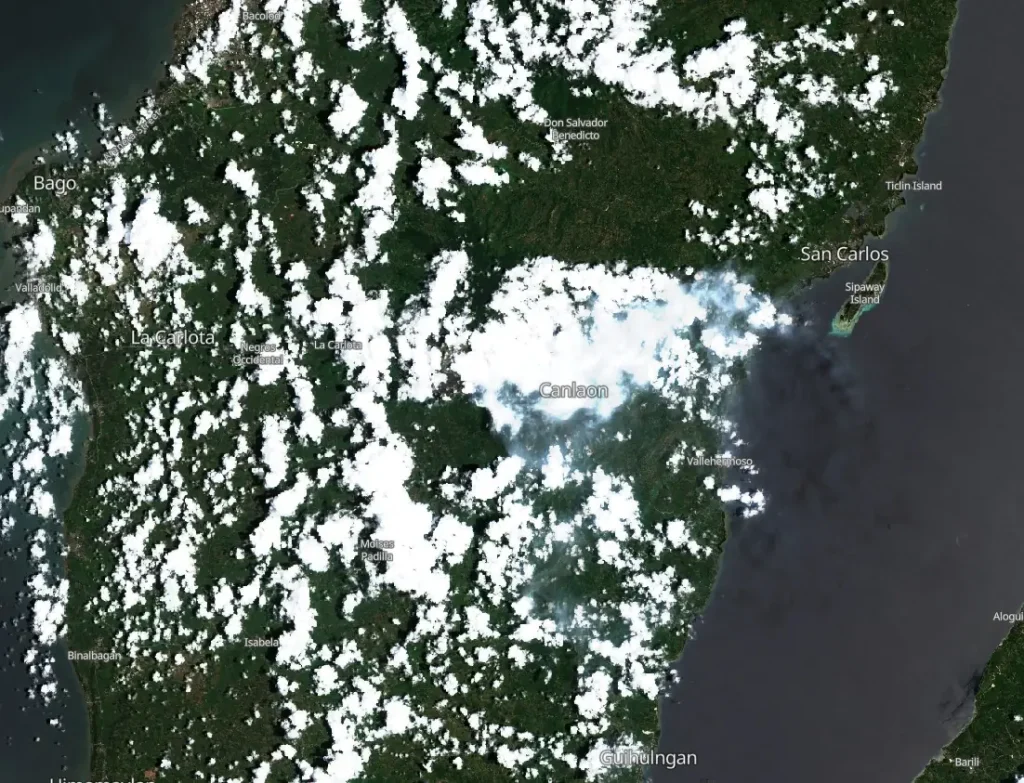
Kanlaon volcano, the highest point on Negros Island in the Philippines, is a large andesitic stratovolcano with fissure-controlled pyroclastic cones and craters, some filled by lakes. It produced the largest debris avalanche in the Philippines, which traveled 33 km (20.5 miles) southwest.
The summit features a 2-km-wide (1.2 miles) caldera with a crater lake and an active vent, Lugud crater, to the south. Since 1866, eruptions have typically been small-to-moderate phreatic explosions, resulting in minor local ashfall.
References:
1 Kanlaon volcano advisory – PHIVOLCS – 19:00 LT on September 10, 2024
2 Kanlaon geological summary – GVP – Accessed September 11, 2024

I'm a dedicated researcher, journalist, and editor at The Watchers. With over 20 years of experience in the media industry, I specialize in hard science news, focusing on extreme weather, seismic and volcanic activity, space weather, and astronomy, including near-Earth objects and planetary defense strategies. You can reach me at teo /at/ watchers.news.

Commenting rules and guidelines
We value the thoughts and opinions of our readers and welcome healthy discussions on our website. In order to maintain a respectful and positive community, we ask that all commenters follow these rules.