
Hurricane Hunters fly into the eye of Category 5 Hurricane “Beryl”
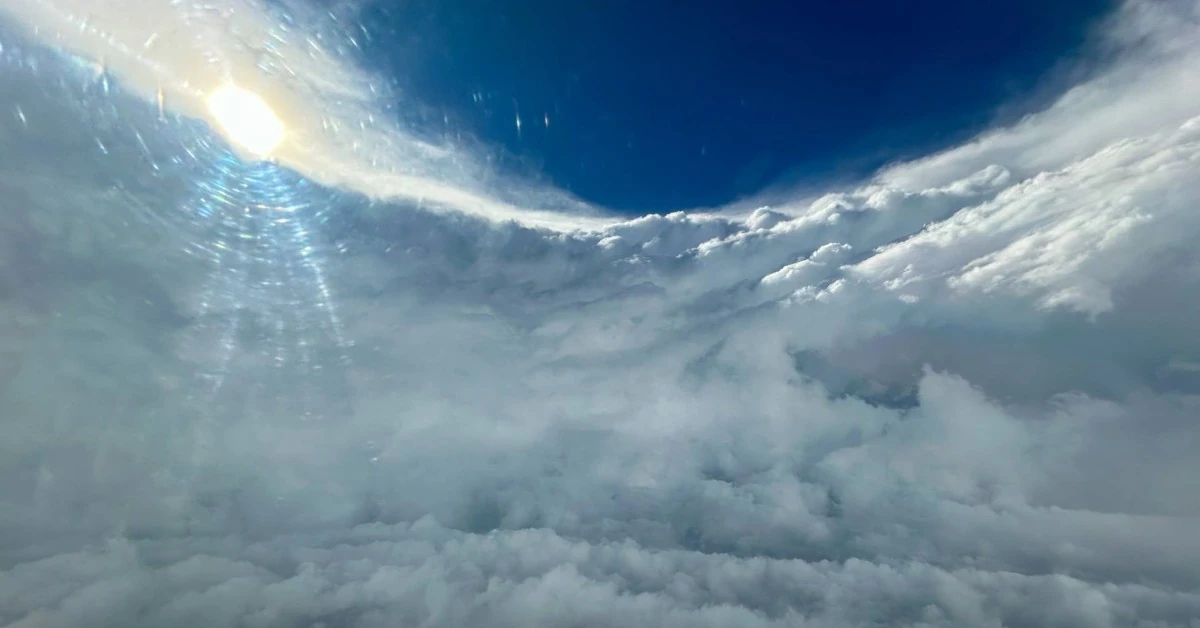
Image credit: NOAA Hurricane Hunters
Hurricane “Beryl” made landfall over Carriacou Island, Grenada on July 1, 2024, as a Category 4 hurricane, flattening homes and leaving at least 3 people dead in Grenada. Two more people were killed and 5 people are missing in Venezuela.
Shortly after making landfall, Beryl intensified into a Category 5 storm and NOAA’s Hurricane Hunters flew into its eye — as a part of their normal operations to support hurricane research from NOAA’s Atlantic Oceanographic & Meteorological Laboratory.
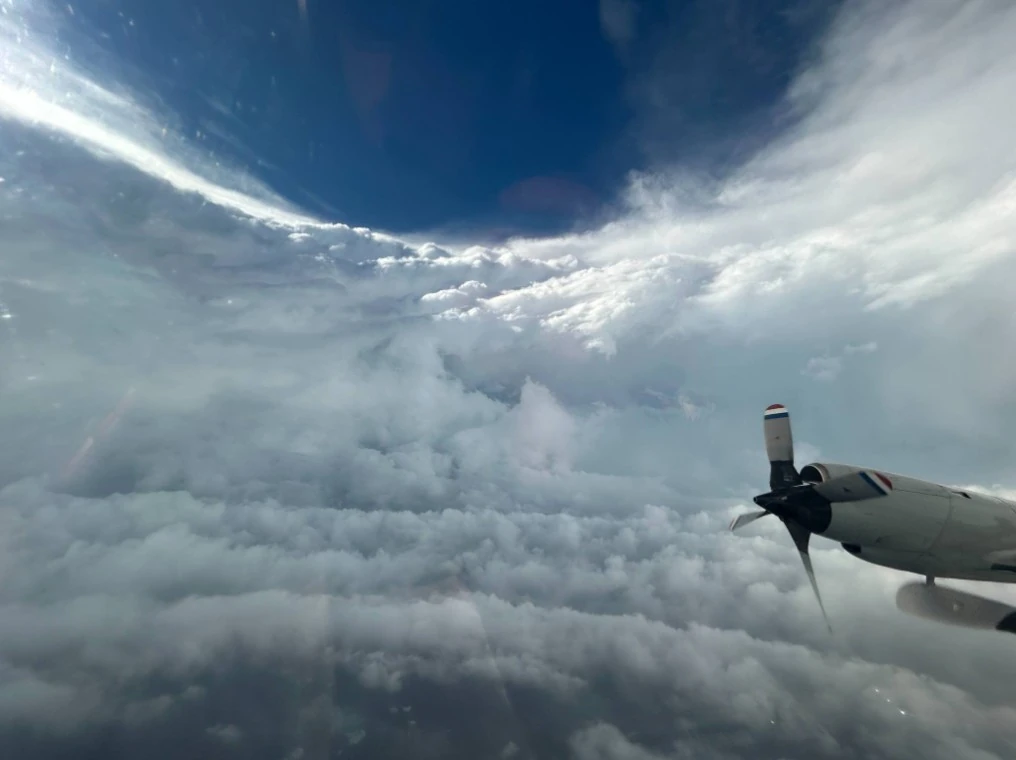
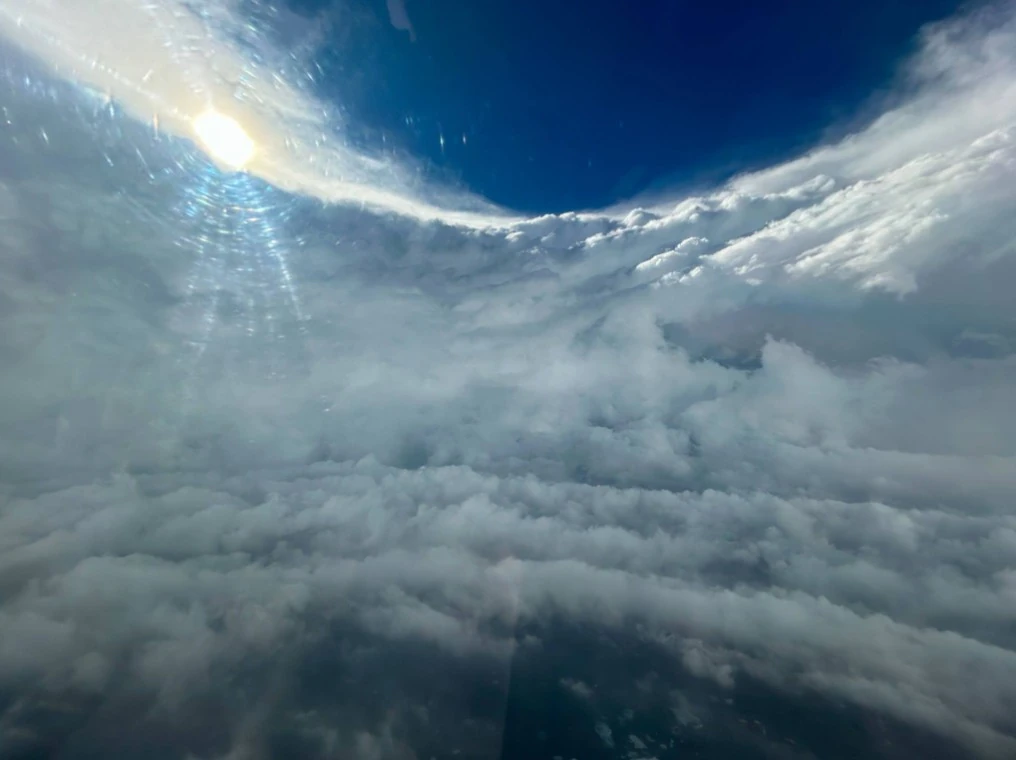
A 21-second-long video is available on Facebook.
Beryl is still a dangerous Category 4 hurricane and is expected to bring life-threatening winds and storm surge to Jamaica on July 3 and the Cayman Islands tonight and into Thursday, July 4.
At 06:00 UTC on July 3, Beryl’s center was located 400 km (250 miles) ESE of Kingston, Jamaica and was moving WNW at 35 km/h (22 mph). Its minimum central pressure was 946 hPa.
According to the National Hurricane Center (NHC), the ‘center of Beryl will move rapidly across the central Caribbean Sea and is forecast to pass near or over Jamaica later today. The center is expected to pass near or over the Cayman Islands tonight or early Thursday and approach the Yucatan Peninsula of Mexico Thursday night.’


Teo Blašković founded The Watchers in 2011 and edited it until 2026, covering seismic and volcanic activity, extreme weather, space weather and near-Earth objects. Articles on this page are his archive.
Published in the last 24 hours
- A fog linked to about 12 000 excess deaths in London in 1952 puzzled scientists for decades, until researchers reconstructed how coal smoke formed acidic haze Epicenter
- In 2012, cameras filming a thunderstorm in western China caught ball lightning by accident, and its 1.64-second glow carried iron, silicon, and calcium from the soil it rose out of Epicenter
- Strong El Niño reinforces above-normal winter precipitation outlook across southern and eastern U.S.
