
Tropical Storm “Selma” forms, threatens El Salvador and Guatemala
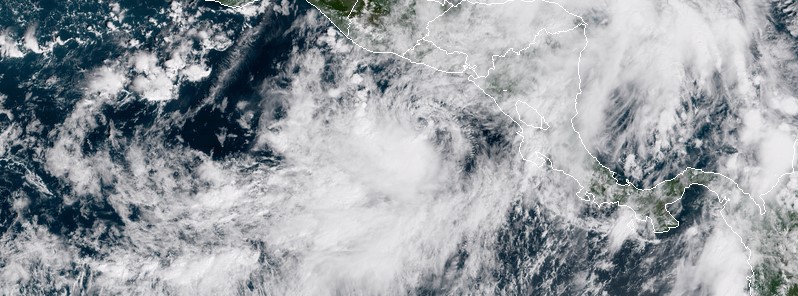
Featured image: Tropical Storm "Selma" at 16:00 UTC on October 27, 2017. Credit: NOAA/GOES-16
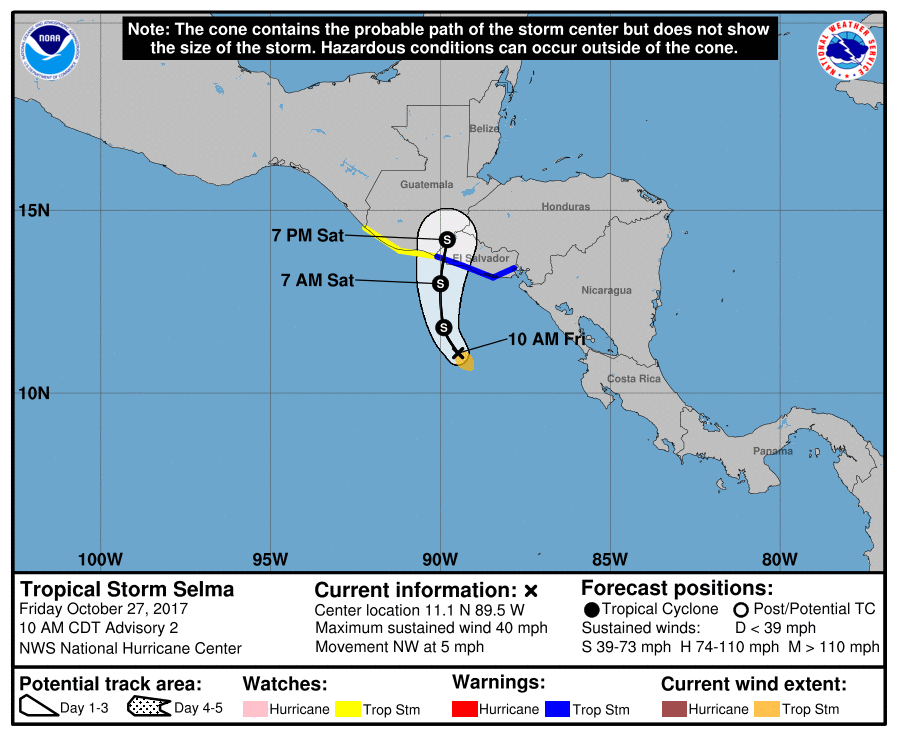
Tropical Storm "Selma" formed 09:00 UTC on October 27, 2017, off the coast of Nicaragua and El Salvador as the 18th named storm of the 2017 Pacific hurricane season. A Tropical Storm Warning is in effect for the entire coast of El Salvador. Landfall is expected near the border with Guatemala sometime after 12:00 UTC on Saturday, October 28, 2017. Heavy rainfall produced by the system might cause life-threatening flash floods and mudslides.
As of 15:00 UTC, Friday, October 27, the center of Tropical Storm "Selma" was located 290 km (180 miles) S of San Salvador, El Salvador. The system had maximum sustained winds of 65 km/h (40 mph) and was moving NW at 7 km/h (5 mph) with the minimum estimated central pressure of 1 005 hPa, according to the NHC.
On the forecast track, the center of Selma will approach the coast of El Salvador and Guatemala on Saturday, October 28 and make landfall sometime after 12:00 UTC. Slight strengthening is forecast before Selma reaches the coast.
Selma is expected to produce total rain accumulations of 76.2 – 152.4 mm (3 – 6 inches) over El Salvador, southern Guatemala, southern Honduras and far western Nicaragua over the next couple of days. Isolated maximum amounts of 254 mm (10 inches) are possible in El Salvador and southern Guatemala. This rainfall could cause life-threatening flash floods and mudslides.
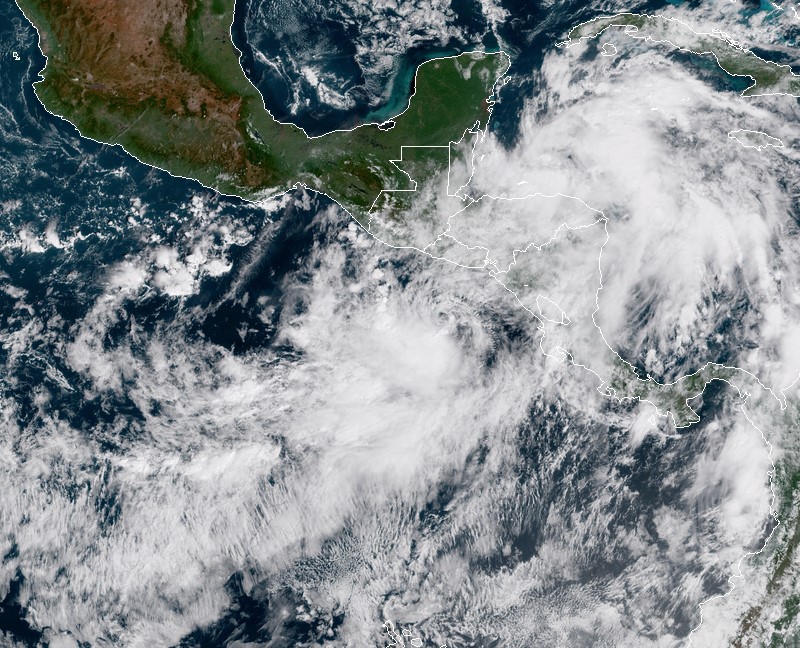
Tropical Storm "Selma" at 16:00 UTC on October 27, 2017. Credit: NOAA/GOES-16
Tropical storm conditions are expected to first reach the coast of El Salvador and Guatemala by early Saturday, making outside preparations difficult or dangerous.
Swells generated by Selma are forecast to affect portions of the coasts of Nicaragua, Honduras, El Salvador and Guatemala later today. These swells are likely to cause life-threatening surf and rip current conditions.

I'm a dedicated researcher, journalist, and editor at The Watchers. With over 20 years of experience in the media industry, I specialize in hard science news, focusing on extreme weather, seismic and volcanic activity, space weather, and astronomy, including near-Earth objects and planetary defense strategies. You can reach me at teo /at/ watchers.news.

Commenting rules and guidelines
We value the thoughts and opinions of our readers and welcome healthy discussions on our website. In order to maintain a respectful and positive community, we ask that all commenters follow these rules.