
Understanding lunar eclipses
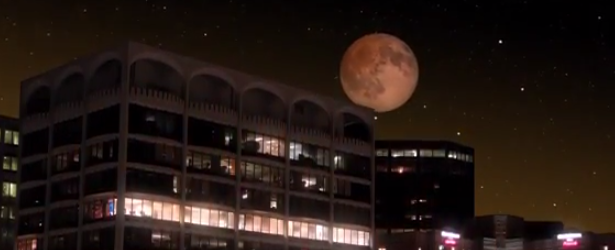
Image credit: TW
It's not often that we get a chance to see our planet's shadow, but a lunar eclipse gives us a fleeting glimpse. During these rare events, the full Moon rapidly darkens and then glows red. Though a lunar eclipse can be seen only at night, it's worth staying up to catch the show. The next lunar eclipse visible from the western hemisphere will take place in the early morning hours of April 15, 2014, from about 06:00 – 9:30 UTC.
Video courtesy of Goddard – Space Flight Center

The Watchers team and our contributors bring the latest on extreme weather, earthquakes, volcanic eruptions, space weather, and all things science. We're all about making sense of the natural world and keeping you informed on what’s happening. Got a tip or a question? Hit us up using the form at newstips!

Commenting rules and guidelines
We value the thoughts and opinions of our readers and welcome healthy discussions on our website. In order to maintain a respectful and positive community, we ask that all commenters follow these rules.