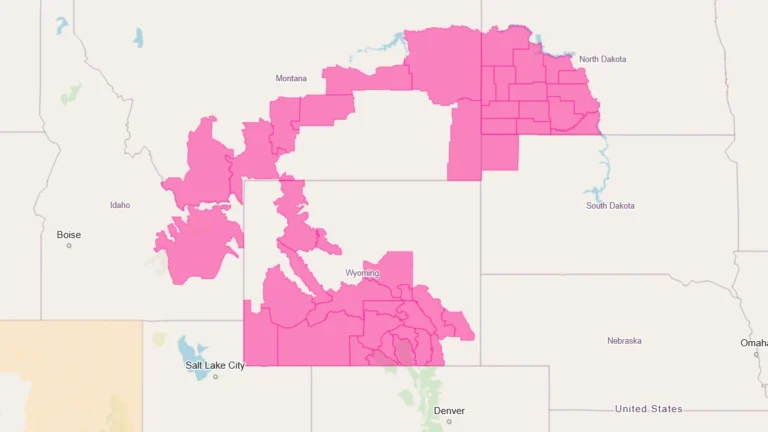
• Red Flag Warnings in effect across five states as critical fire-weather conditions develop

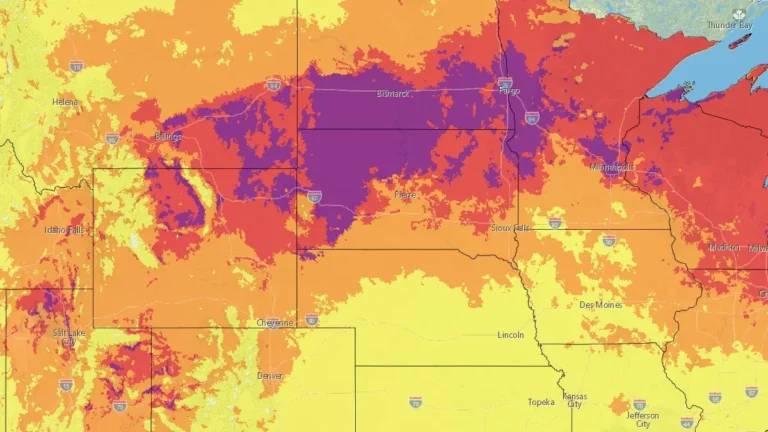
    The National Weather Service (NWS) has Red Flag Warnings in effect across parts of Montana, Wyoming, North Dakota, Idaho and South Dakota on September 10, 2026, as very low relative humidity, dry vegetation and gusty winds produce critical fire-weather conditions across the northern Rockies and northern Plains. Minimum relative humidity may fall as low as 5% in southeastern Wyoming, while wind gusts may reach approximately 65 km/h (40 mph) in parts of Wyoming and Montana.
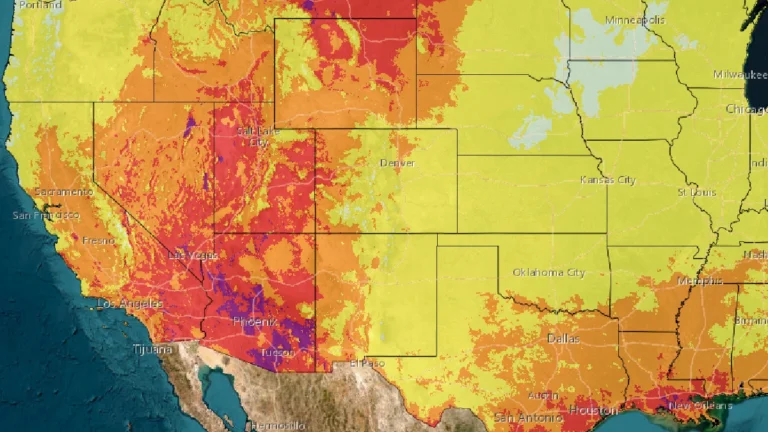
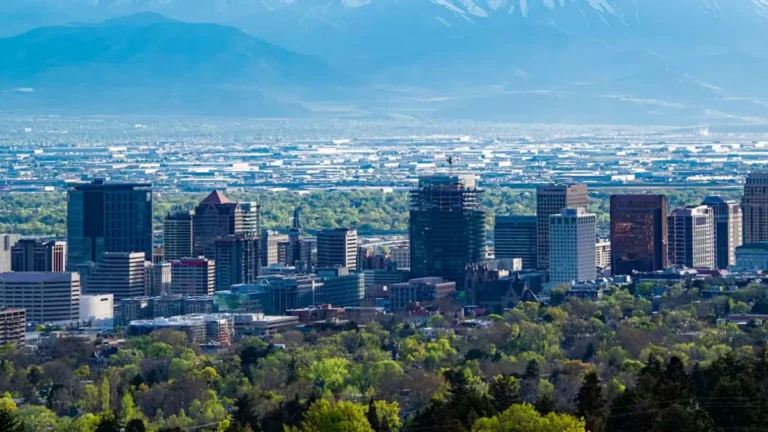
  • Extreme Heat Watches issued for Utah, Montana, and northern Wyoming, temperatures up to 43°C (110°F) forecast through July 27

    Extreme Heat Watches have been issued for large portions of Utah, Montana, and north-central Wyoming as widespread dangerous heat is forecast from Friday, July 24, through Sunday, July 26, with some areas remaining under hazardous conditions into early next week. Afternoon temperatures are forecast to reach 35 to 43°C (95 to 110°F), while unusually warm nights across northern Utah are expected to limit overnight cooling and increase cumulative heat stress.

  • Record-breaking heat to peak through July 14 from the Great Basin to the Northern Plains, U.S.

    Dangerous and potentially record-breaking heat is forecast to peak through July 14, 2026, across the western and north-central United States. Billings, Montana, already shattered its all-time temperature record on July 12, while Salt Lake City, Utah, tied for its second-highest reading ever, just short of its own all-time mark. More locations could still challenge records as the heat continues into Tuesday. Very warm nights are adding to the danger by increasing heat stress over several consecutive days.

  • Extreme Heat Watches issued for parts of Montana, Wyoming, and Utah

    The National Weather Service (NWS) has issued multiple Extreme Heat Watches across Montana, northern Wyoming, and Utah through Saturday and Sunday, July 11 and 12, 2026. Temperatures above 38°C (100°F) are forecast across the watch areas. Some areas could see potentially record breaking heat with isolated highs of up to 43°C (110°F) being forecast.

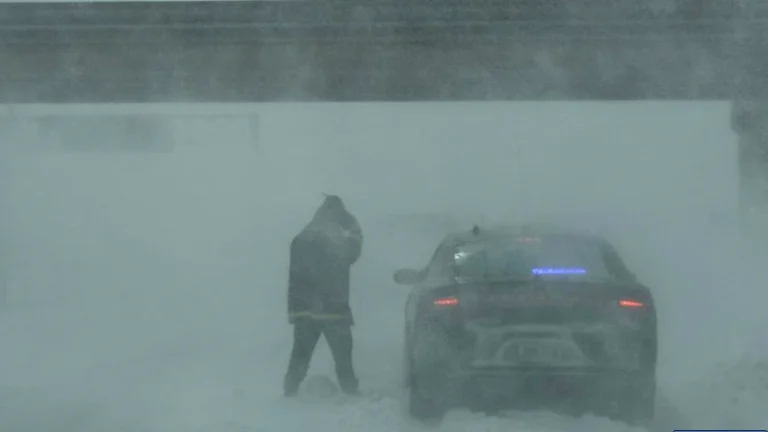
  • Late-season snowstorm shuts down I-80 in southern Wyoming

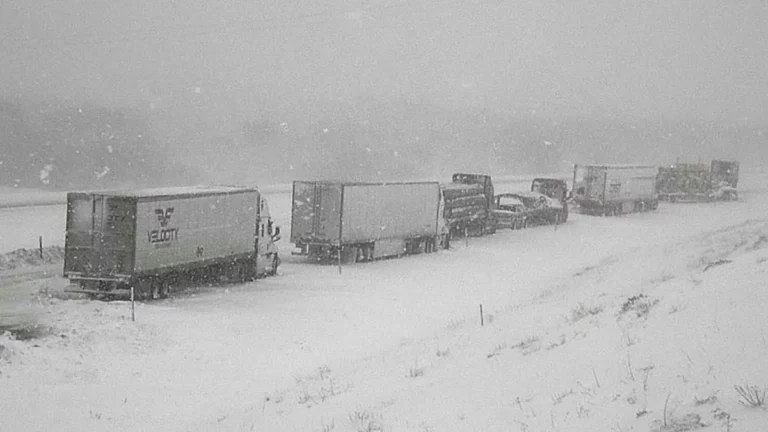
    A late-season winter storm brought heavy snow and hazardous travel conditions to southern Wyoming on May 18, 2026, shutting down sections of Interstate 80 and other roads. The National Weather Service (NWS) office in Cheyenne issued winter storm and blizzard warnings for parts of Carbon and Albany counties, while the Wyoming Department of Transportation (WYDOT) reported road closures, reduced visibility, and winter travel hazards across affected corridors.

  • Heavy ice, sleet, and snow forecast across Upper Midwest and Great Lakes, multiple warnings and advisories issued

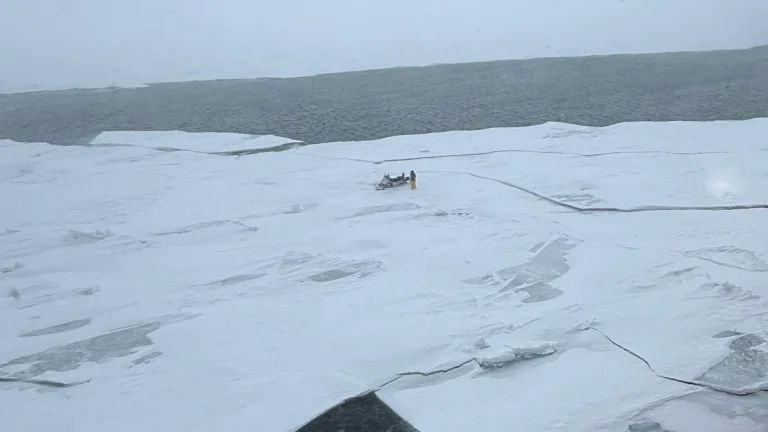
    A late-season winter storm is forecast to impact the Upper Midwest and Great Lakes region from late April 1 through April 3, 2026, bringing widespread freezing rain, sleet, and snow across multiple states. Ice Storm Warnings, Winter Storm Warnings, Winter Weather Advisories, and Winter Storm Watches are in effect, with ice accumulations up to 10 mm (0.4 inches) and snowfall exceeding 45 cm (18 inches) in some areas, creating hazardous travel conditions and potential power outages.

  • Red Flag Warnings issued from the Plains to the Southeast under critical fire weather conditions

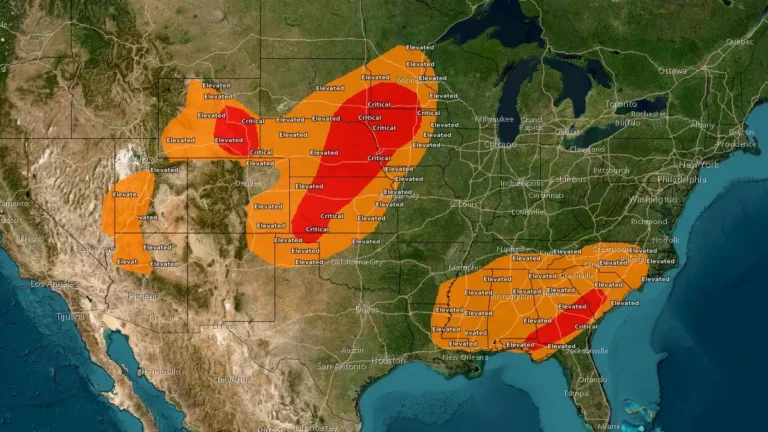
    Red Flag Warnings are in effect across the Central Plains and Southeast United States on March 28, 2026, as the National Weather Service (NWS) warns of critical fire weather conditions driven by strong winds, low relative humidity, and dry fuels. Wind gusts up to 80 km/h (50 mph) and humidity levels as low as 10–20% are expected to promote rapid fire ignition and spread. Outdoor burning is strongly discouraged across all warned regions.

  • Winter Storm Warnings remain in effect from Idaho and Montana to the Upper Midwest

    Winter Storm Warnings remained in effect across parts of Montana, Idaho, Wisconsin, Michigan, Minnesota, and Wyoming on Friday, March 13, 2026, as a broad winter storm brought heavy snow, blowing snow, and hazardous travel conditions from the northern Rockies into the Upper Midwest. Forecast totals ranged from several cm in some lower elevations to 150 cm (5 feet) in parts of Idaho’s higher terrain, while parts of Montana’s mountain ranges were forecast to receive up to 120 cm (4 feet).