• Copernicus: August 2026 sets ERA5 temperature record as extra-polar SSTs hit record highs

    Global surface air temperature averaged 16.96°C (62.53°F) in August 2026, making it the warmest August in ERA5, the Copernicus Climate Change Service (C3S) reported on September 10. Extra-polar sea surface temperature (SST) averaged 21.07°C (69.93°F), the dataset’s highest August value, while daily SST reached an ERA5 record of 21.11°C (70.00°F) on August 24 and 25.

  • Record rainfall floods roads and disrupts rail services in Nagoya, Japan

    Nagoya recorded 104.5 mm (4.1 inches) of rain in one hour on September 8, 2026, setting an all-time station record as flooding disrupted roads and rail services. Nagoya City issued Level 5 Emergency Safety Measures for communities along the Kanare, Yada and Ueda rivers, while the Japan Meteorological Agency and the Ministry of Land, Infrastructure, Transport and Tourism issued a Level 5 flood special warning for the Shonai River system at 18:20 LT (09:20 UTC). The municipal Level 5 measures were downgraded at 22:25 LT (13:25 UTC), while local media reported four injuries across Aichi Prefecture.

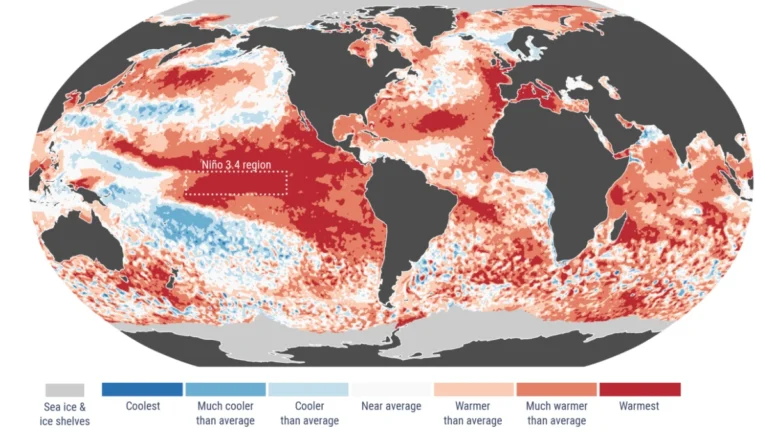
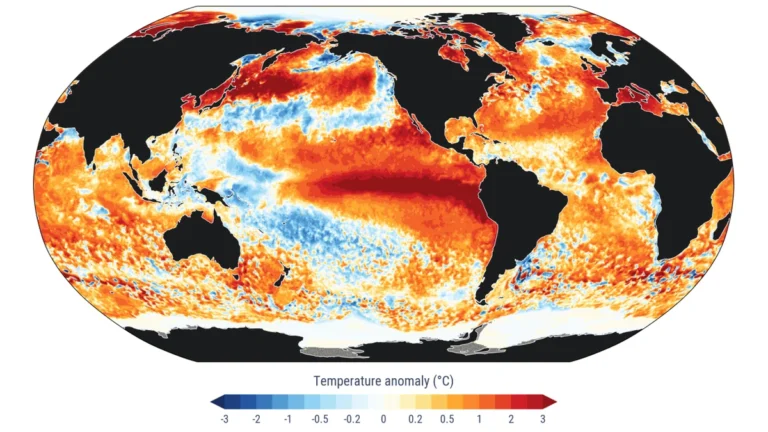
  • Global sea surface temperature sets new record, reaching 21.1°C (70°F) as El Niño strengthens

    The daily average sea surface temperature across the extra-polar global ocean, between 60°S and 60°N, reached 21.1°C (70°F) on August 22, 2026, the highest value in the Copernicus Climate Pulse record beginning in 1979. The reading exceeded the previous daily record of 21.09°C (69.96°F), set in March 2024, and came in August, although temperatures across the domain normally reach their annual maximum in March and April.

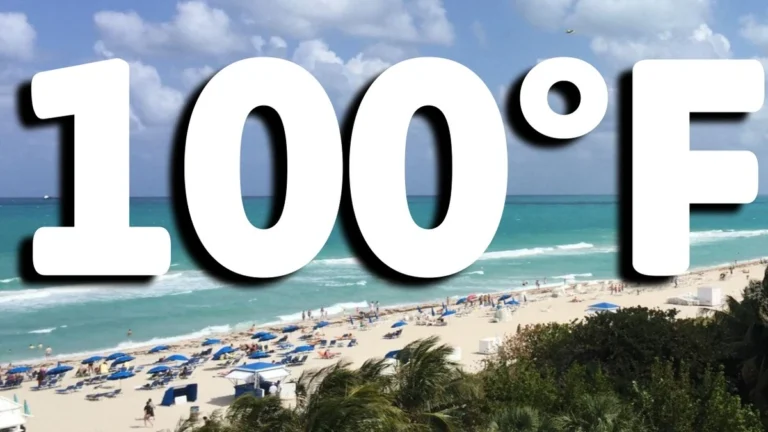
  • Miami reaches 37.8°C (100°F) for only second time on record, Florida

    Miami tied its all-time temperature record at 37.8°C (100°F) on August 18, 2026, the first time the city had reached that level since July 21, 1942. Fort Lauderdale also reached 36.7°C (98°F), tying its August 18 daily record, as Heat Advisories remained in effect across South Florida.

  • Record rainfall, floods and outages hit Chiba, leaving at least 8 dead, Japan

    Eight people were confirmed dead after record rainfall caused widespread flooding across Chiba Prefecture, Japan, on August 13 and 14, 2026, according to prefectural and municipal authorities. At 06:00 LT on August 14, 7 359 people were sheltering at 359 sites in 39 municipalities, while emergency and evacuation measures remained in force.

  • Record-breaking heat impacts South Korea, suspected heat death toll rises to 21

    Life-threatening heat remained forecast across the capital region, inland Gangwon Province and parts of Jeolla on August 6 as South Korea’s reported heat-related illness total reached 2 441. Health authorities listed 21 suspected deaths, including 13 among people aged 80 and older, in provisional figures covering May 15 through August 4.

  • Japan records unprecedented five-day streak of temperatures reaching 40°C (104°F), the longest on record

    Japan recorded temperatures of 40°C (104°F) or higher for the fifth consecutive day on July 25, 2026, marking the country’s longest such streak on record as an exceptionally persistent heatwave continued under a dominant Pacific high-pressure system. Heatstroke alerts remained in effect across much of the country, while additional climatological analysis suggests this summer is already approaching last year’s record number of locations reaching the 40°C (104°F) threshold.

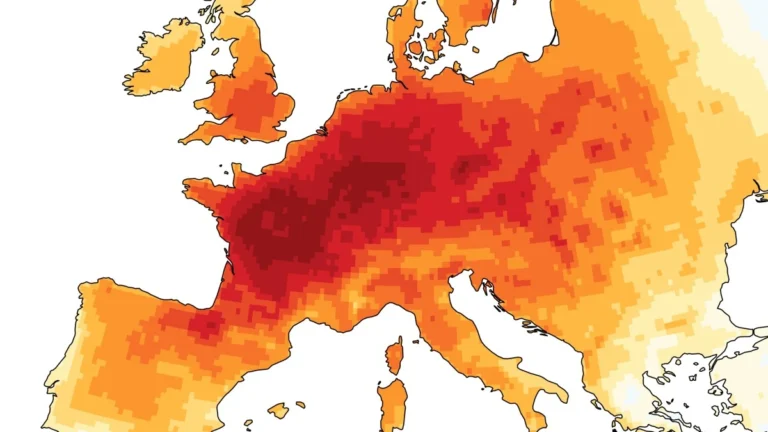
  • Western Europe records hottest June on record as heatwave drives widespread temperature extremes

    Western Europe recorded its warmest June on record in 2026, with an average temperature of 20.74°C (69.3°F), 3.06°C (5.51°F) above the 1991–2020 average, according to the Copernicus Climate Change Service (C3S). The record-breaking month coincided with widespread heatwaves across western and central Europe that set national and local temperature records, while June ranked as the second-warmest globally in the ERA5 dataset.