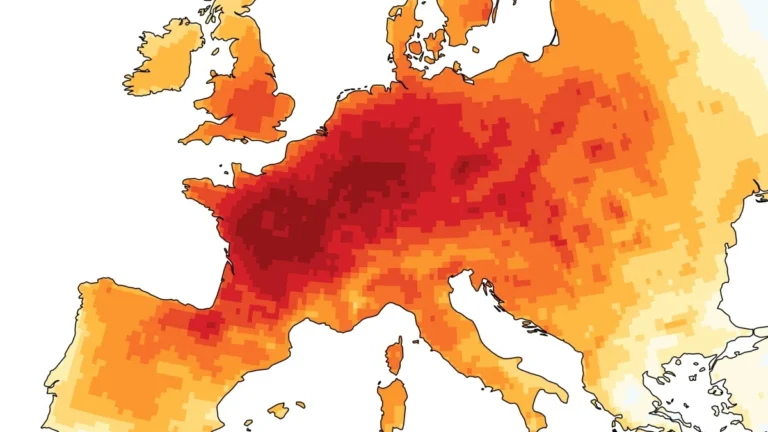
• Record-breaking heatwave triggers rare alerts and emergencies across Europe

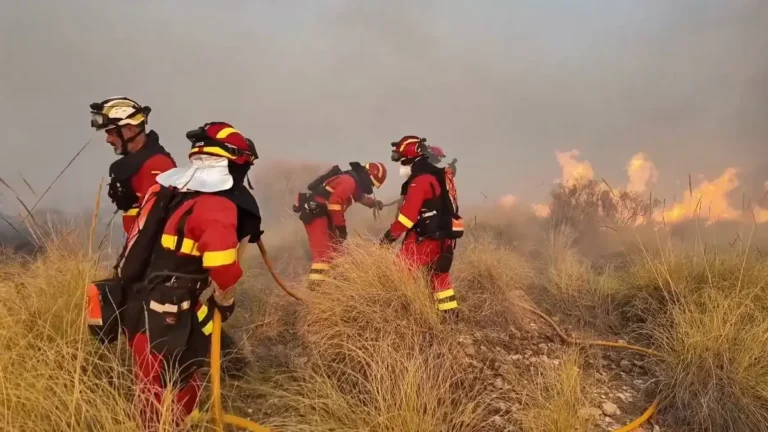
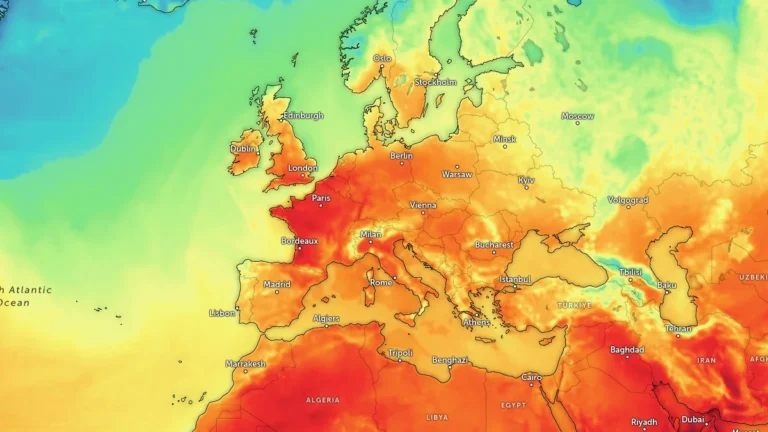
    Multiple countries across Europe established new June temperature records this week as an exceptional heatwave continued to intensify, pushing temperatures above 40°C (104°F) across large parts of the continent. In France, authorities said at least 55 people had drowned while attempting to cool off during the prolonged heatwave, as hospitals, emergency services, and governments struggled to respond to its escalating impacts, while Spain reported at least 212 heat-related fatalities from June 21 to 24.

  • Spain estimates 212 heat-related deaths in 4 days

    Spain’s public mortality-monitoring system (MoMo) estimated that high temperatures were linked to 212 deaths between June 21 and 24, as the country’s first official heat wave of 2026 brought temperatures near 40°C (104°F) and higher across large areas.

  • Storm Therese brings heavy rainfall, flood and landslide risk to Canary Islands, Spain

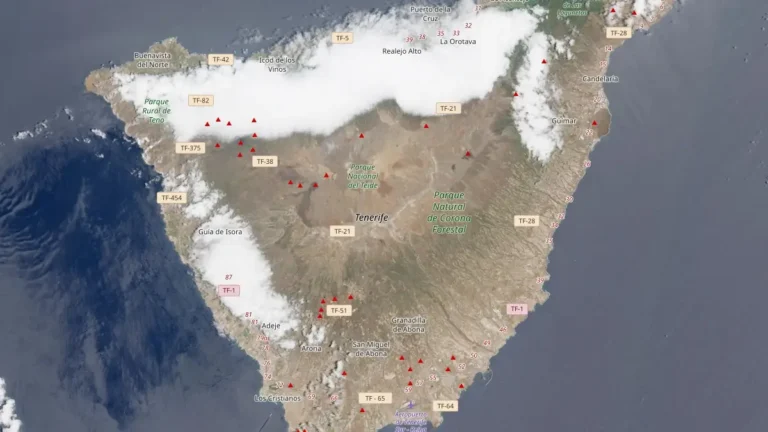
    Storm Therese began affecting the Canary Islands, Spain, on March 19, 2026, bringing strong winds, heavy rain, rough seas, and snowfall at high elevations. The severe weather is forecast to persist until at least March 2, with rainfall totals of over 300 mm (12 inches) being forecast in parts of La Palma and Tenerife, increasing the risk of flooding and landslides. Meanwhile, wind gusts above 90 km/h (56 mph) and waves over 5 m (16 feet) are expected.

  • Spain sees wettest January–February in 47 years as Atlantic storms soak Iberian Peninsula

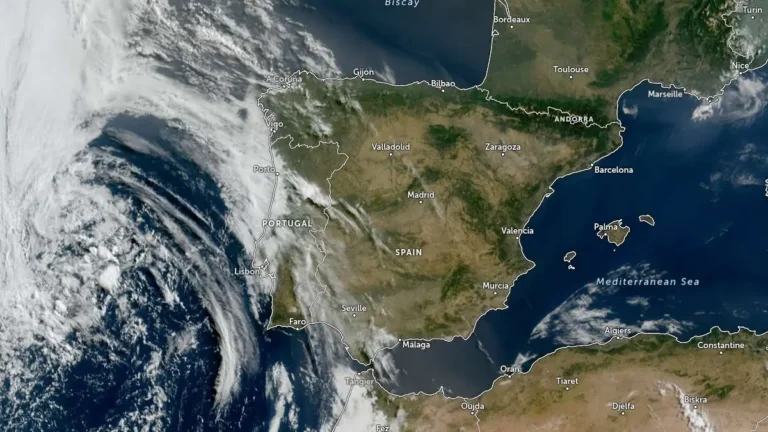
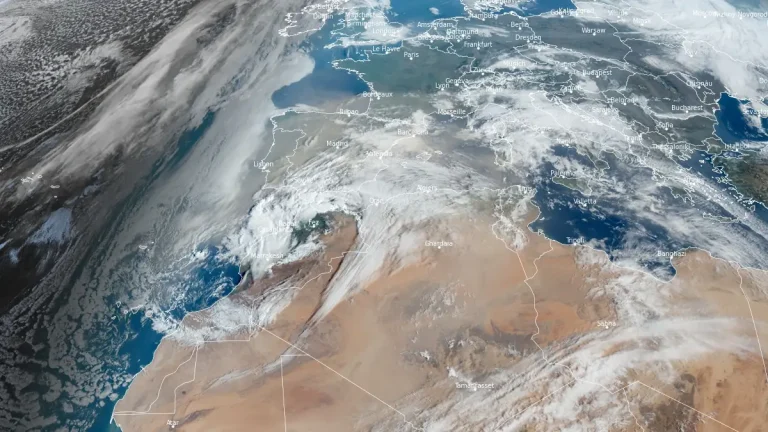
    Spain experienced an exceptionally wet winter between December 2025 and February 2026 as repeated Atlantic storms brought prolonged rainfall across the Iberian Peninsula. AEMET reported 323.2 mm (12.7 inches) of precipitation across peninsular Spain, equal to 171% of the 1991–2020 average, making it the country’s eighth wettest winter since 1961 and third wettest of the 21st century.

  • New swarm of hybrid seismic events beneath Teide volcano, Tenerife

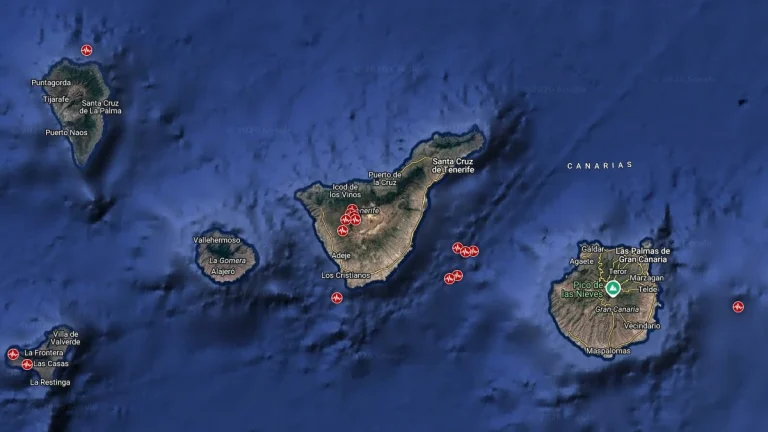
    A new swarm of hybrid seismic events began beneath Teide volcano on Tenerife at 20:00 LT (21:00 UTC) on February 16, 2026, according to the Instituto Volcanológico de Canarias (INVOLCAN). More than 300 very low-magnitude earthquakes have been detected so far by the Canary Seismic Network, marking the eighth swarm of this type recorded on the island since 2016. INVOLCAN attributes the activity to magmatic-fluid injection into Tenerife’s hydrothermal system and states that the likelihood of an eruption remains unchanged.

  • Fatalities, evacuations, and agricultural losses mount as Storm Marta strikes Portugal and Spain

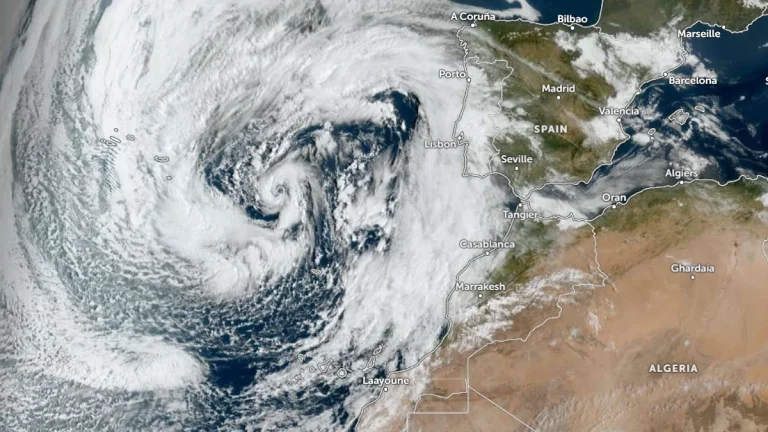
    Storm Marta swept across Portugal and Spain between February 6 and 8, 2026, killing at least two people and displacing more than 11 000 as torrential rain, snow, and winds up to 120 km/h (75 mph) caused extensive flooding and agricultural losses. It was the third major Atlantic storm in less than two weeks, following Leonardo and Kristin.

  • One dead and child missing as Storm Leonardo floods southern Spain and Portugal

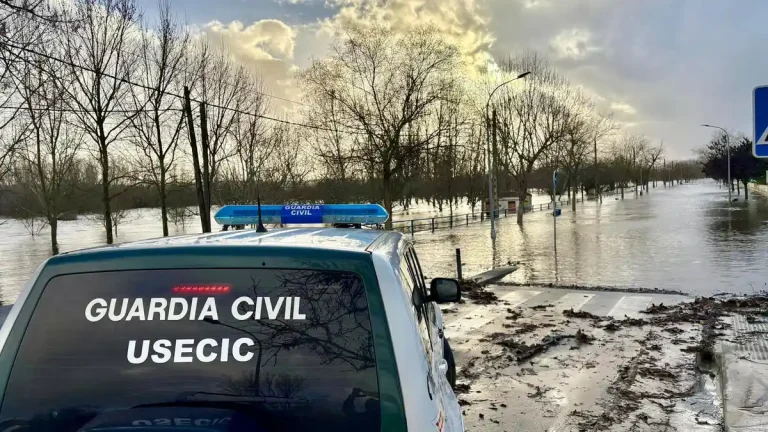
    Flooding caused by Storm Leonardo left one person dead in Portugal and a child missing in southern Spain between Tuesday and early Thursday, February 3–5, 2026, as exceptional rainfall inundated towns across the Iberian Peninsula. Emergency services carried out evacuations and search operations as river levels rose rapidly.