• Super Typhoon Champi becomes the strongest tropical cyclone of 2026, Signal No. 2 remains over Batanes, Philippines

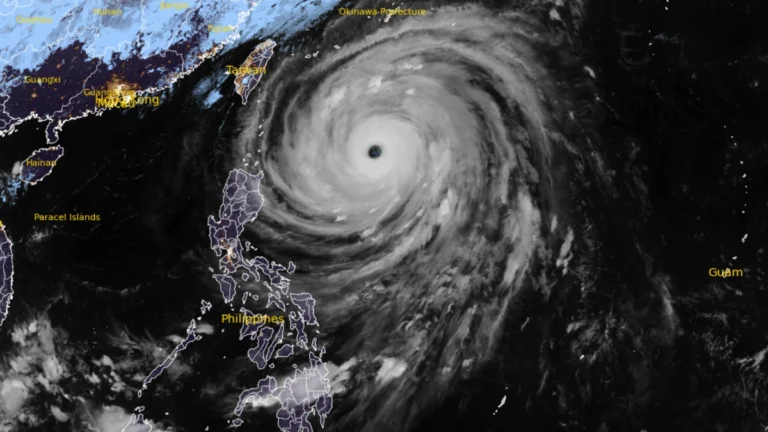
    Super Typhoon Champi, locally named Rosal, became the strongest tropical cyclone of 2026 by maximum sustained wind speed when it reached 296 km/h (185 mph) on October 20, according to NASA’s MODIS program. The cyclone weakened on October 21 while moving toward waters east of the northern Philippines, where PAGASA maintained Tropical Cyclone Wind Signal No. 2 over Batanes and warned of heavy rain and waves reaching 10 m (33 feet).

  • Record-breaking heat impacts South Korea, suspected heat death toll rises to 21

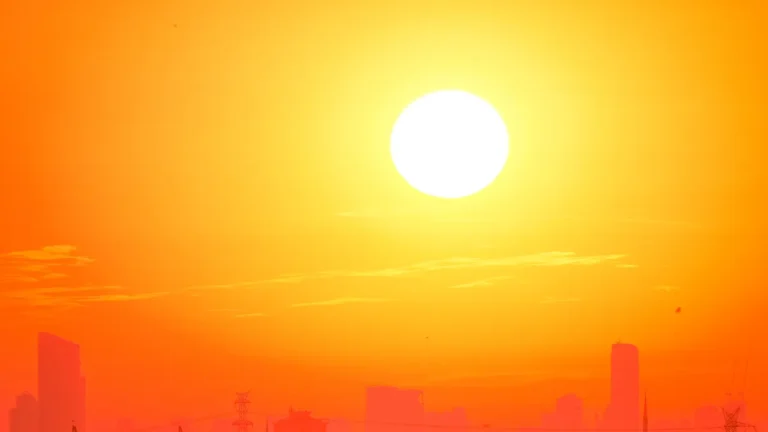
    Life-threatening heat remained forecast across the capital region, inland Gangwon Province and parts of Jeolla on August 6 as South Korea’s reported heat-related illness total reached 2 441. Health authorities listed 21 suspected deaths, including 13 among people aged 80 and older, in provisional figures covering May 15 through August 4.

  • Wildfires caused record losses in 2025 despite having the second-lowest burn area since 2002

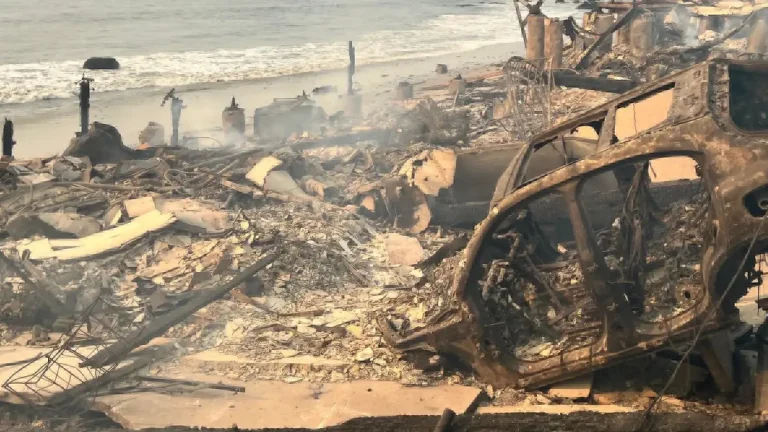
    A new study found that 335 million ha (828 million ha) burned worldwide in 2025, the second-lowest global wildfire total since 2002 and 16% below the long-term average. Despite that, 2025 became the costliest year on record for insured wildfire losses globally, with more than 300 000 evacuations and over 90 fatalities linked to major fires in Canada, the United States, Europe, and South Korea.

  • Extreme rainfall causes severe flooding in South Korea

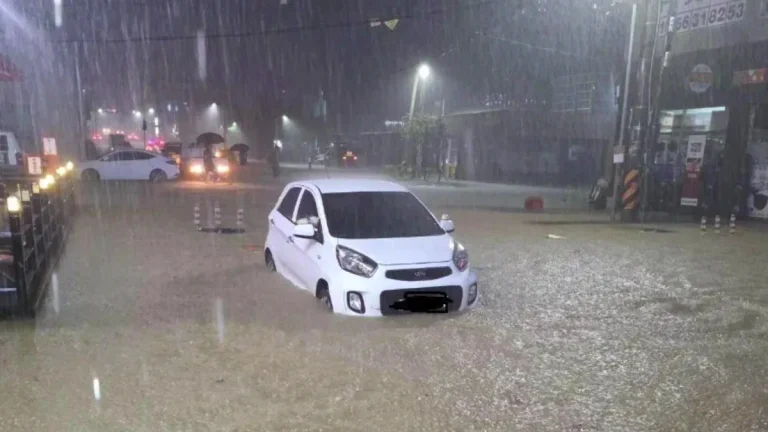
    An extreme rainfall event struck South Korea between August 3 and 4, 2025, triggering severe flooding across the southern regions of the country. Over 280 mm (11 inches) of rainfall was recorded in Muan in just 24 hours, with the hourly rainfall rates reaching over extreme 140 mm (6 inches) on August 4.

  • At least 14 dead and thousands displaced after heavy monsoon rains in South Korea

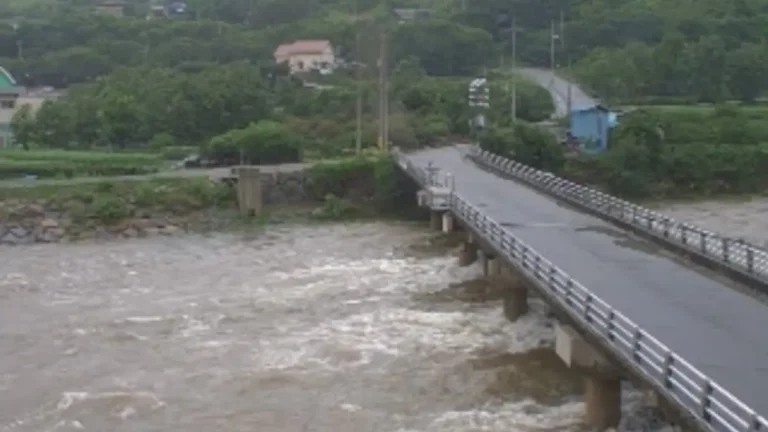
    Torrential rains between July 16 and 20, 2025, caused widespread flooding and landslides across central and southern South Korea, killing at least 14 people, displacing thousands, and damaging key infrastructure. Some regions recorded nearly 800 mm (31.5 inches) of rain in less than five days, with hourly rainfall rates exceeding 115 mm (4.5 inches), prompting the highest-level landslide and flood alerts nationwide.

  • Main blazes of worst wildfires in South Korean history contained

    The main blazes of the deadliest wildfires in South Korean history were contained on Friday, March 28, 2025, after rainfall aided firefighting efforts. At least 28 people have been killed by the fires that have ravaged the country’s southeast since they ignited on March 21.