Dust storms from China expected to engulf Korea
Yellow dust storms from China are forecast to enter Korea on Wednesday afternoon, March 12, 2025, covering the whole nation overnight.


Yellow dust storms from China are forecast to enter Korea on Wednesday afternoon, March 12, 2025, covering the whole nation overnight.
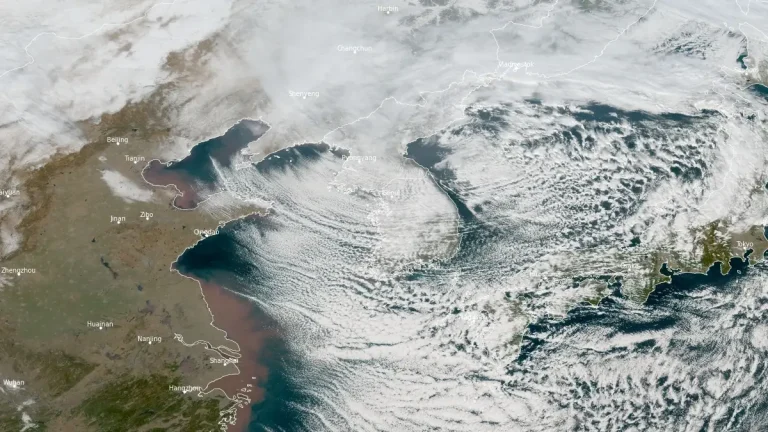
Heavy snowfall has blanketed South Korea for 2 consecutive days on January 27 and 28, 2025, disrupting transportation during the Lunar New Year holiday travels. At least 111 flights were canceled, including 68 flights from Incheon International Airport.
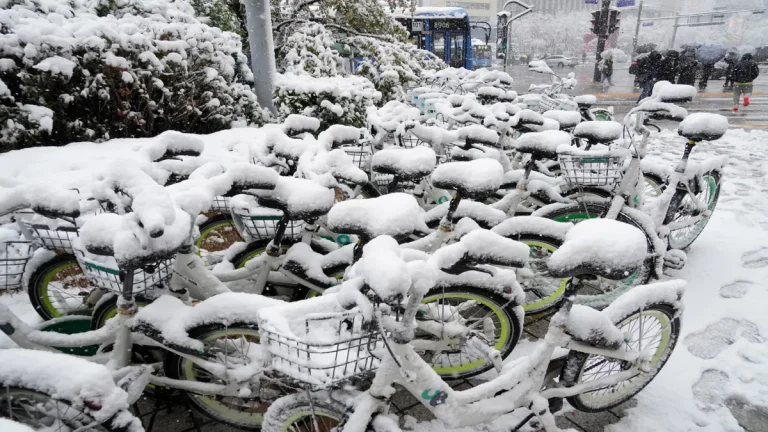
Seoul’s first snow of the season turned into a historic November snowstorm, dumping record-breaking snow over Seoul on Wednesday, November 27, 2024.

Seoul and its surrounding metropolitan area were severely impacted by heavy rainfall on July 19, 2024, with up to 634 mm (25 inches) recorded over the past two days. The torrential downpour was the heaviest of this rainy season, with more heavy rain expected starting July 20.
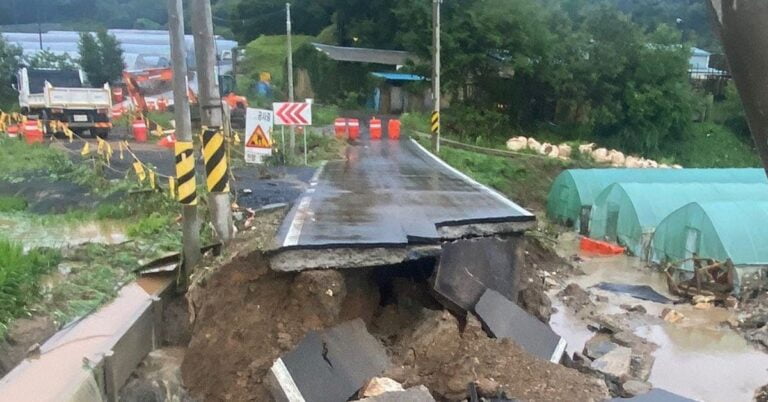
Extremely heavy rains hit South Korea on July 9 and 10, 2024, claiming 4 lives and forcing thousands to evacuate for safety. The rains caused multiple flights and trains to be delayed and caused severe damage to infrastructure all over South Korea.
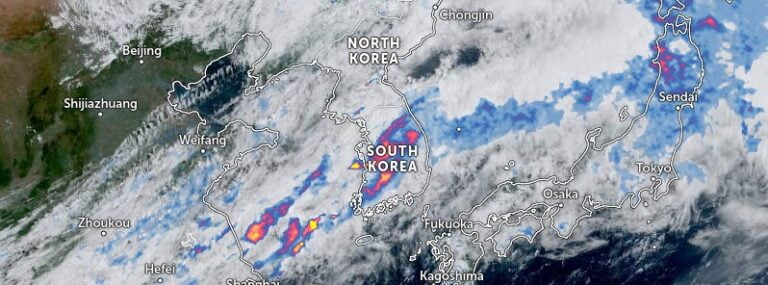
South Korea faced severe devastation from torrential rain starting from July 9, 2023, causing extensive flooding and landslides. The catastrophic event led to over 30 deaths nationwide, with nine others reported missing. The death toll includes at least nine people who died after a bus became trapped in a flooded underground tunnel located in Cheongju City. The number of casualties from the underpass flooding is expected to rise further as major search and rescue operations continue.

South Korea experienced a record-breaking yellow dust storm from China on Tuesday, April 11 and Wednesday, April 12, 2023, with fine dust levels reaching their highest point this year and impacting almost every part of the country.

Typhoon “Hinnamnor” made landfall near the city of Busan, South Korea at 19:50 UTC on September 5 (04:50 LT, September 6), with maximum sustained winds of up to 150 km/h (95 mph), and exited into the Sea of Japan at around 22:10 UTC. At least 2 people have been killed in South Korea and 10 have gone missing.

Record-breaking rainfall hit parts of South Korea’s capital Seoul and surrounding regions on August 8, 2022, leaving at least 8 people dead and 7 others missing. At least 14 people have been injured and more than 80 rescued from flooded streams. 391 people in the capital area were left homeless.

A massive wildfire that broke out in South Korea's eastern coastal county of Uljin forced President Moon Jae-in to order all-out efforts to protect the nearby Hanul Nuclear Power Plant on Friday, March 4, 2022. The government issued a natural disaster alert…
