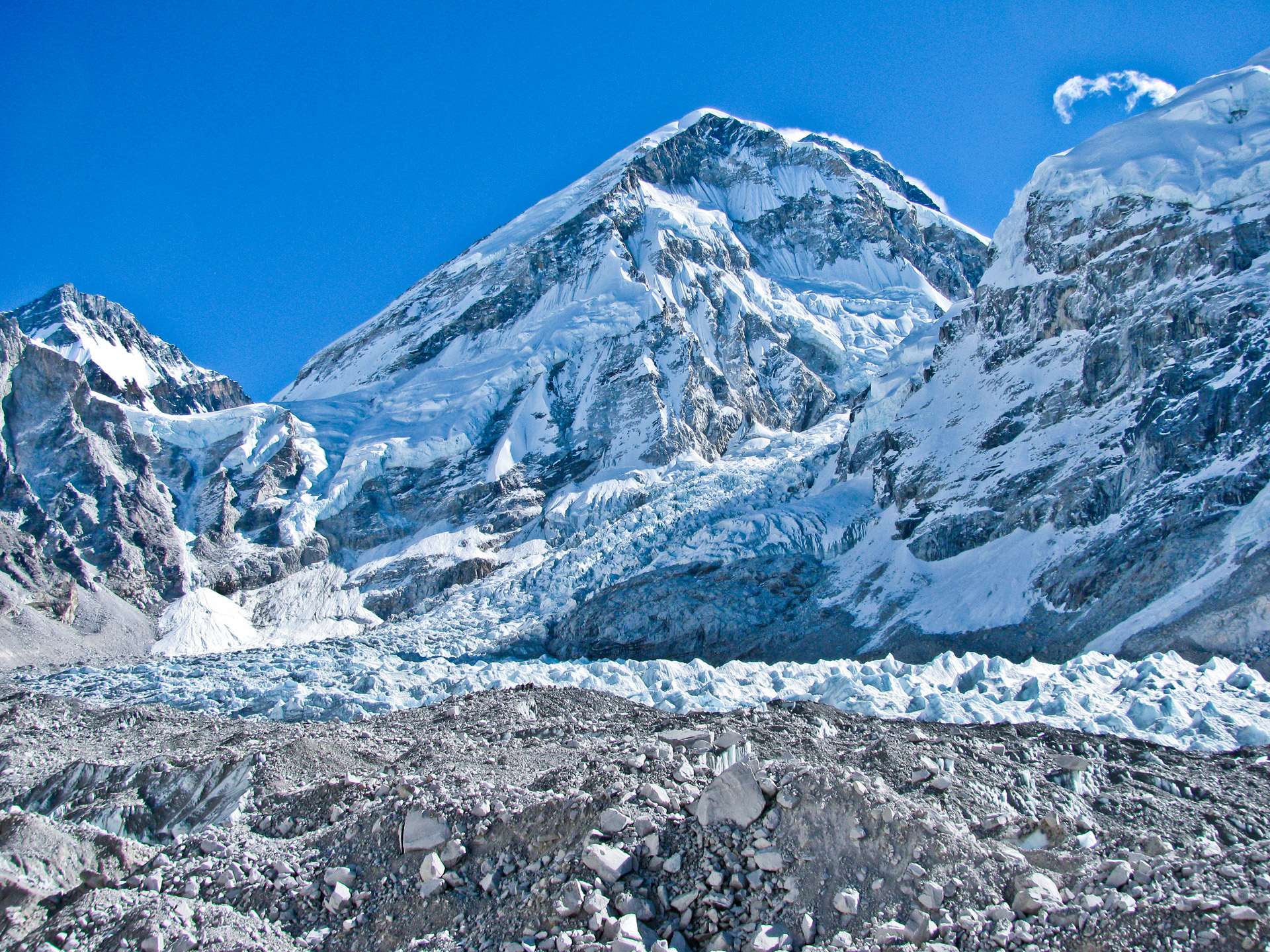
• New study maps glacier mass change in the Himalayas

    Glacial  reservoirs are among largest  freshwater deposits on Earth. About 1% of global sea level rise is caused by melting – that’s about 3-4% of the total  global glaciers and ice caps. However, researchers don’t have enough data considering regional behaviour
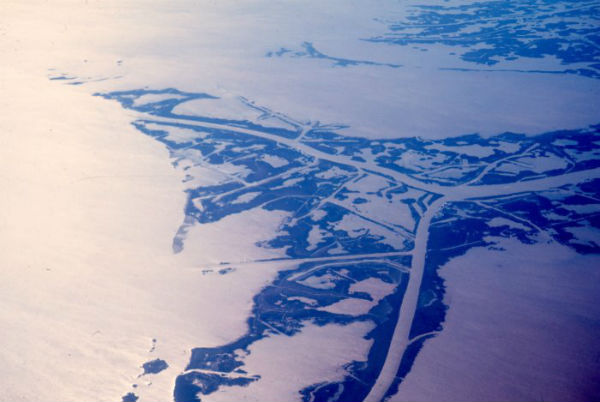
  • Saltwater coming upstream into the Mississippi river, US

    Salt water is threatening drinking water in the New Orleans area. Due to low water levels in the Mississippi River, salt water has been moving far upriver and was at the outskirts of New Orleans by August 15, reaching about 145 km (89 miles) north of the mouth of

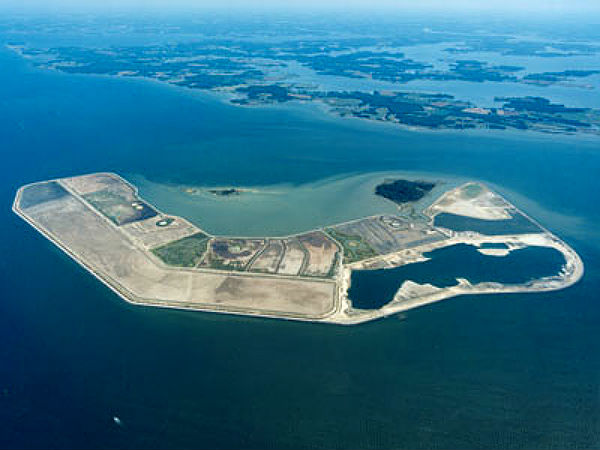
  • Almost vanished Poplar Island is slowly reappearing

    The crust under the Chesapeake Bay is sinking, while sea levels are rising. Made of clay and silt, the islands erode quickly, and many have disappeared altogether. Small islands were once a nesting  habitat for water birds and turtles, while the larger islands

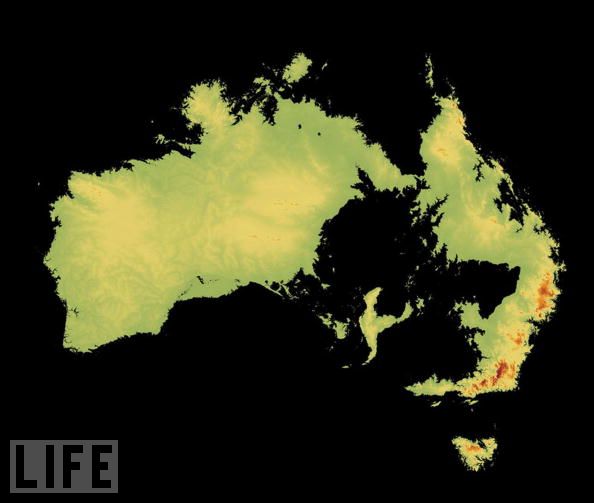
  • Australia evaluates sea level threats

    Australia’s major cities are all coastal. Confirmed sea level rises, combined with ongoing severe coastal erosion, have been worrying people for the last decade. It’s now looking like the famous Australian beachside lifestyle is riding on the tides.The problem

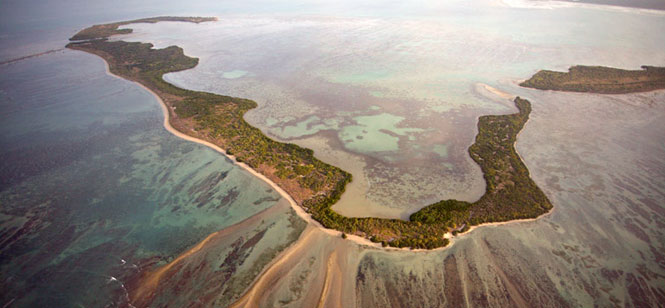
  • Two small islands have sunk into the sea between India and Sri Lanka

    Two small islands in South Asia’s first marine biosphere reserve have sunk into the sea primarily as a result of coral reef mining. The islets were in a group in the Gulf of Mannar, between India and Sri Lanka.The Indo-Pacific region is considered to contain some of

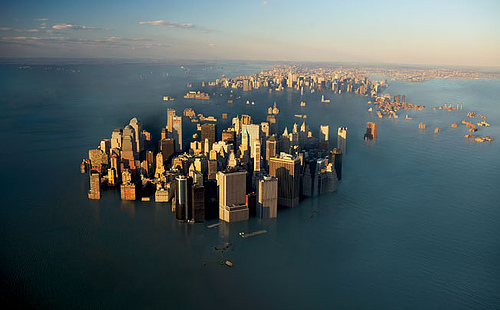
  • New York ‘at risk’ as seas rise

    New York is a major loser and Reykjavik a winner from new forecasts of sea level rise in different regions.The Intergovernmental Panel on Climate Change (IPCC) said in 2007 that sea levels would rise at least 28cm (1ft) by the year 2100. But this is a global average;

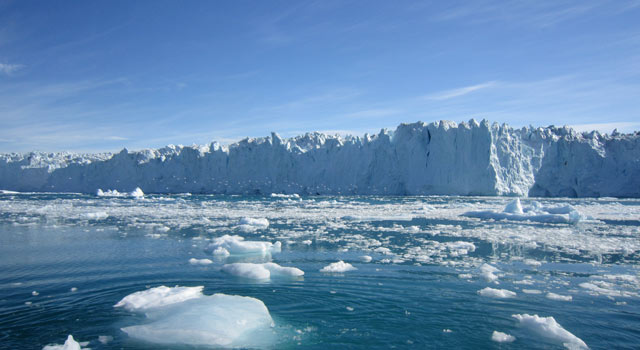
  • Polar ice is melting more faster than predicted

    The massive Greenland and Antarctic ice sheets that sit near Earth’s two poles are melting at an increasingly faster pace, a new study finds. The study, based on measurements covering nearly 20 years, suggests the melting ice sheets are becoming the dominant

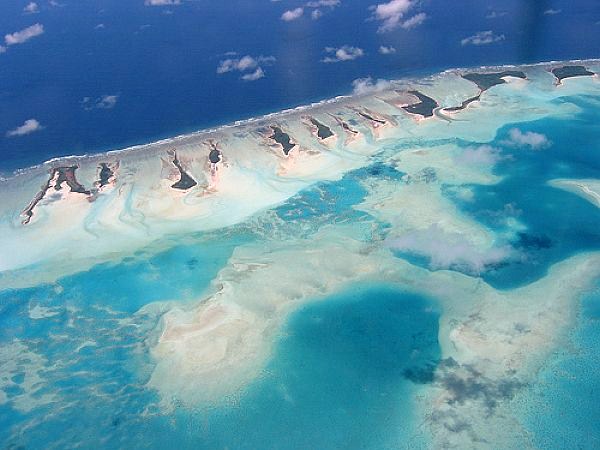
  • Rising waters in Kiribati threatening villages

    An increasing number of coastal villagers are asking to be relocated because of rising sea waters in Kiribati. Kiribati is in urgent need of funding to build sea walls to prevent sea water destroying villages and crops. If more funding is not forthcoming in the