• Magma accumulation under Svartsengi signals new volcanic eruption, Iceland

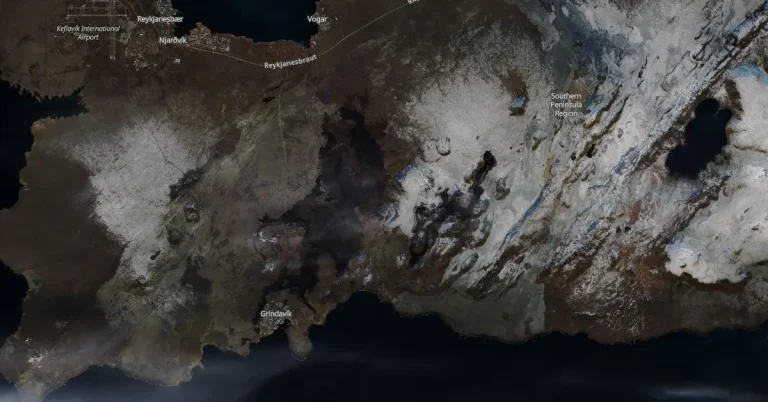
    The Svartsengi volcanic system in southwest Iceland is showing increased volcanic activity due to magma accumulation beneath the surface. Magma is moving into shallow chambers, causing ground uplift and seismic activity. In recent days, seismic activity has slightly increased, with around five minor daily earthquakes along the dike, the most prominent being M1.5, indicating growing pressure. 

  • Continuous lava flow threatens Grindavík barriers, Iceland

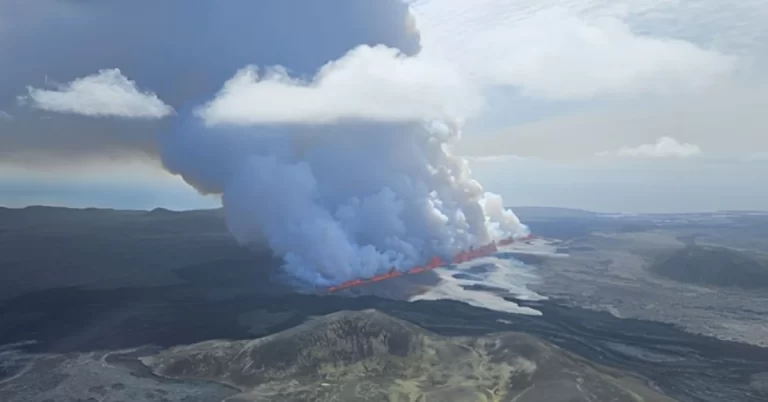
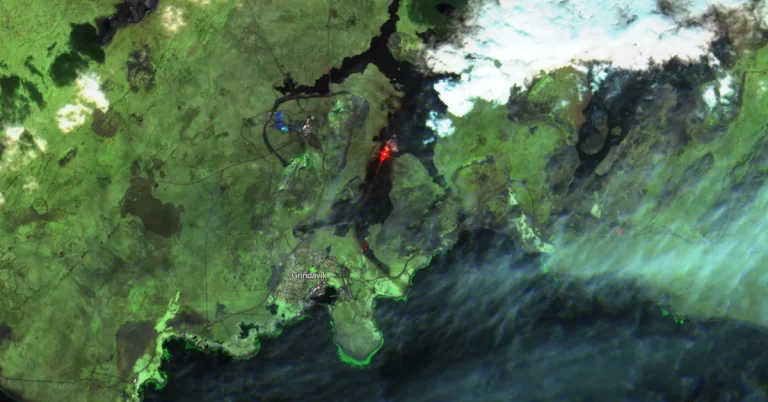
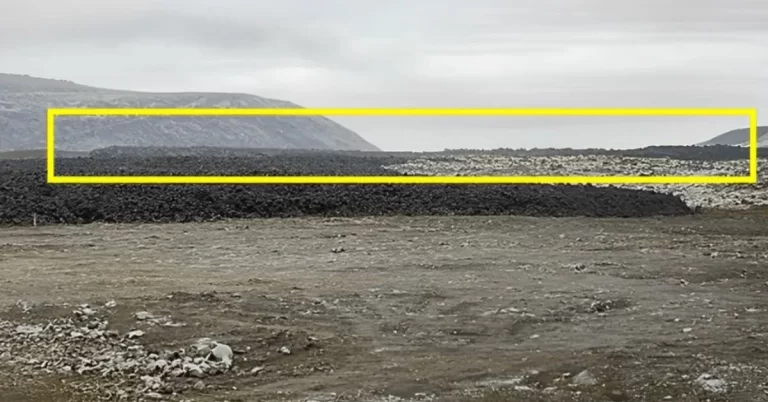
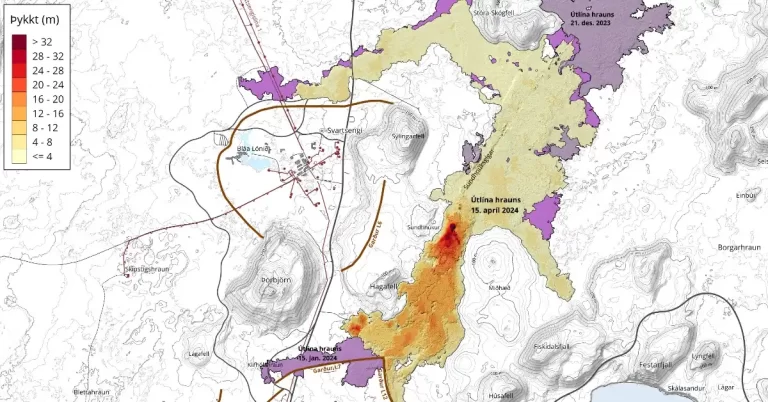
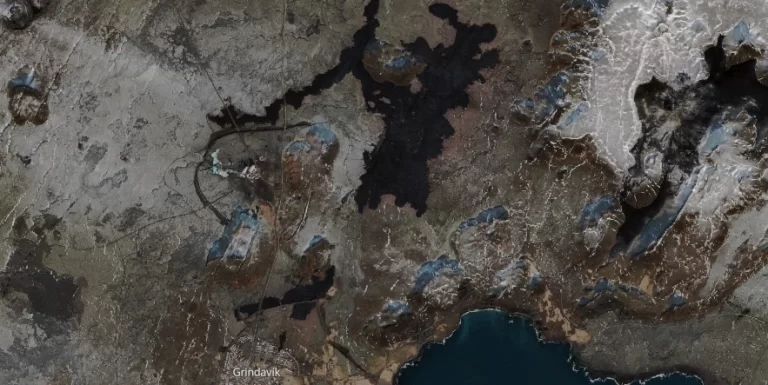
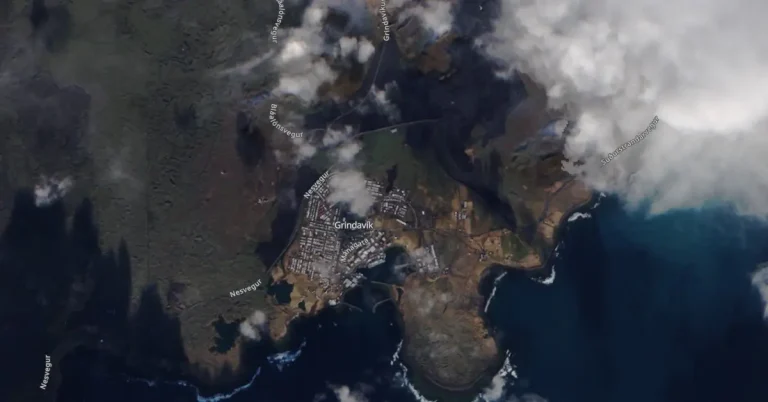
    The ongoing eruption on Iceland’s Reykjanes Peninsula, starting March 16, 2024, continues to pose a threat as lava from the Sundhnúkur crater row thickens near Grindavík. Extrusion rates have remained consistent at 3 – 4 m3/s (106 – 141 ft3/s), with new data anticipated to further assess the situation.

  • Volcanic eruption in Reykjanes Peninsula continues to pose risks, ground uplift continues, Iceland

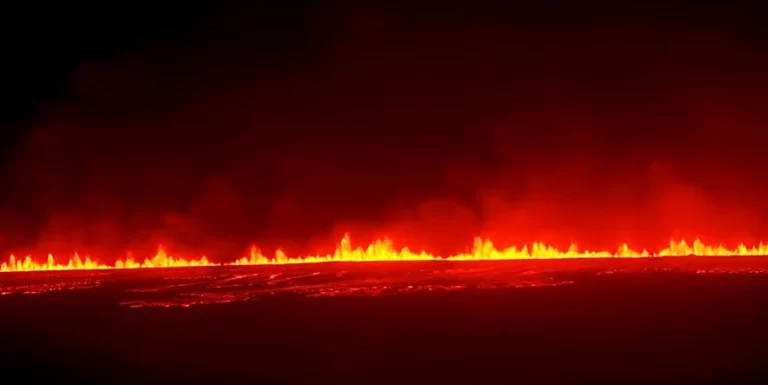
    The ongoing volcanic eruption on Iceland’s Reykjanes Peninsula, which began at 20:23 UTC on March 16, 2024, continues to impact the area with significant ground uplift and persistent hazards from volcanic gas emissions. The eruption, centered at the Sundhnúkur crater row, shows no signs of abating, with an expanding lava field now covering 6.15 km² (23.5 mi2).

  • High levels of sulfur dioxide emissions in Reykjanes Peninsula, Iceland

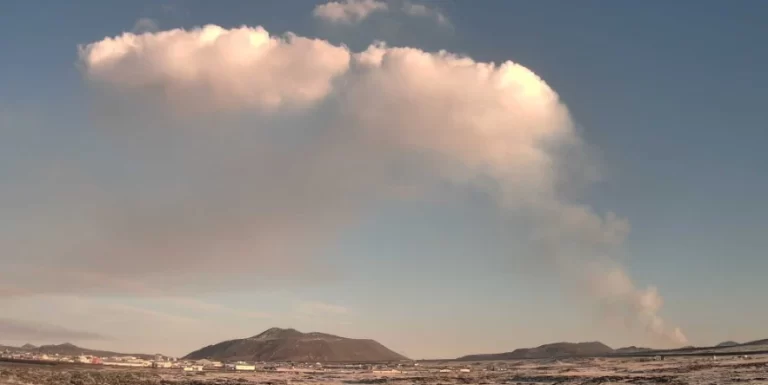
    The eruption that began in Reykjanes Peninsula on March 16, 2024, continues at stable levels. However, the Icelandic Met Office (IMO) has been detecting very unhealthy levels of sulfur dioxide pollution over the past couple of days. Residents are urged to follow instructions provided by the Environment Agency of Iceland and the Office of the National Medical Examiner.

  • Bad weather disrupts seismic monitoring, magma volume at Svartsengi increasing, Iceland

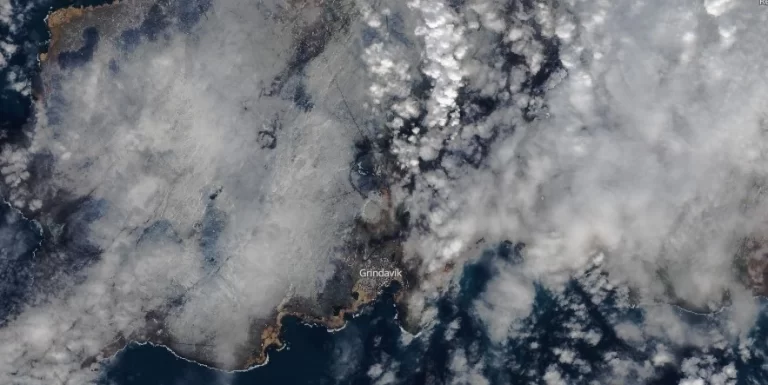
    Unfavorable weather conditions have disrupted the earthquake monitoring system on Reykjanes Peninsula by dampening small events, resulting in a lower number of detected earthquakes since Saturday, March 2, 2024. Nevertheless, the volume of magma beneath Svartsengi continues to increase, which could result in a new dike intrusion and possibly an eruption with very short notice.