• Strong M6.0 solar flare erupts from Region 4300, brief G3 – Strong geomagnetic storm

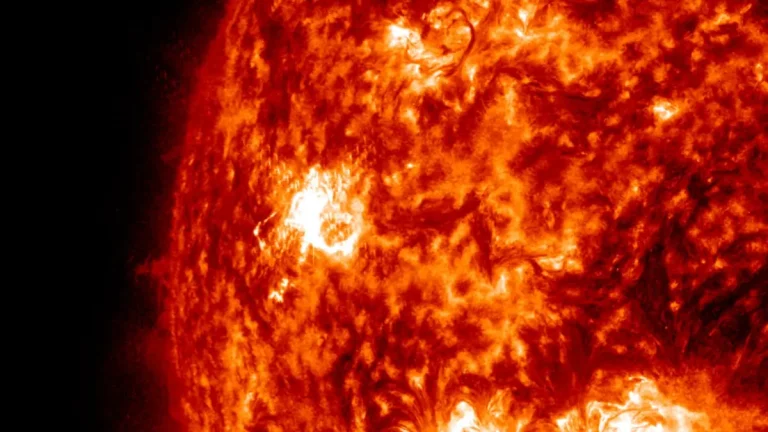
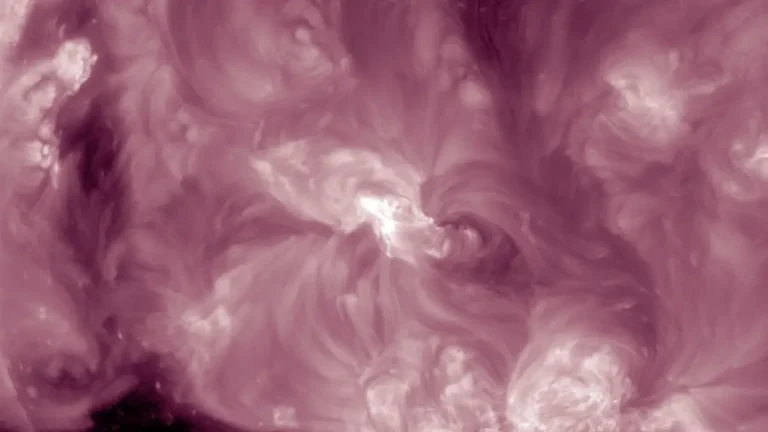
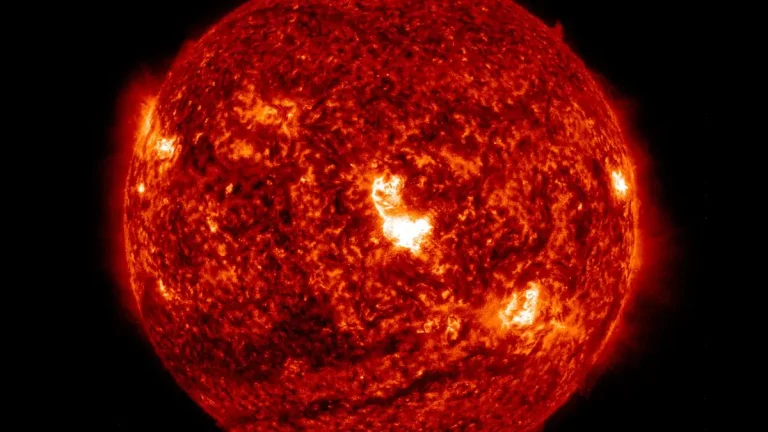
    A strong M6.0 solar flare erupted from Region 4300 at 02:50 UTC on December 4, 2025, producing a non-Earth-directed CME. The flare occurred as Earth’s geomagnetic field remained in storm conditions, including a G3 – Strong interval driven by the arrival of a negative CH HSS and the flank of the CME launched on December 1. Solar wind parameters showed elevated density, strong IMF values, and Bz reaching −15 nT before transitioning to high-speed stream conditions.

  • Multiple CMEs heading toward Earth, impacts expected between October 15 and 17

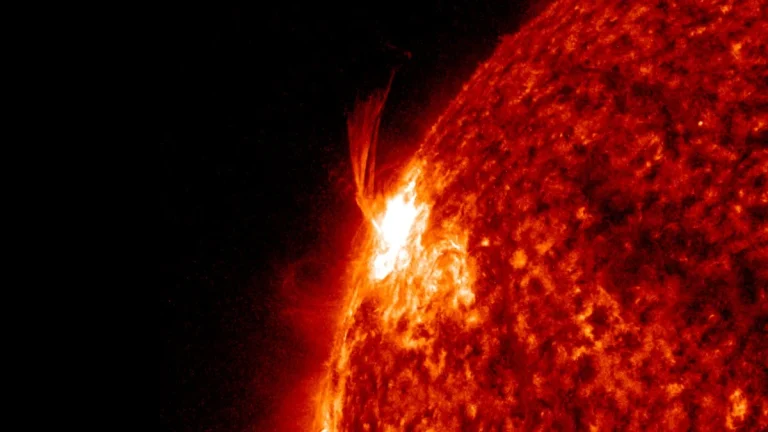
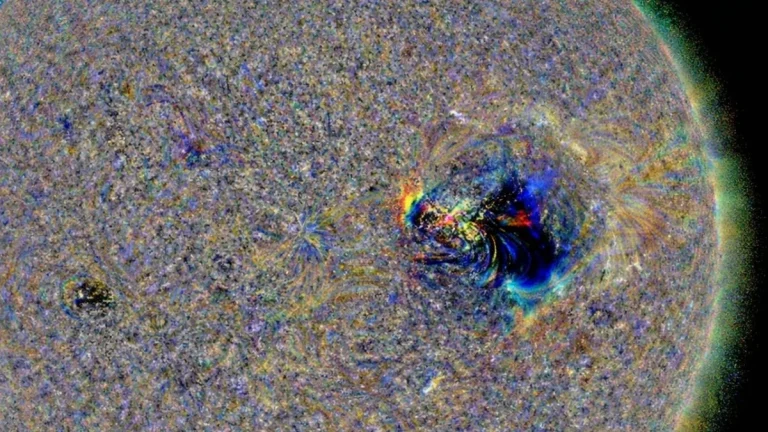
    Two coronal mass ejections (CMEs) launched from Active Region 4246 on October 13, 2025, are heading toward Earth and are expected to impact Earth over the next couple of days, according to NOAA’s Space Weather Prediction Center (SWPC). Model output indicates arrival around mid to late October 17, though forecasters note a possible earlier impact as both CMEs interact with earlier ejecta from the same region.

  • G4 – Severe geomagnetic storm watch issued for June 2 following strong Earth-directed CME

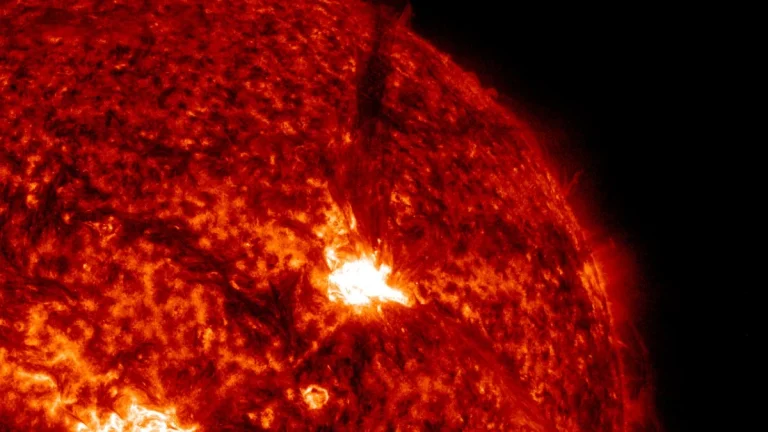
    The U.S. Space Weather Prediction Center (SWPC) issued a G4 – Severe geomagnetic storm watch for June 2, 2025, following the eruption of a powerful, Earth-directed coronal mass ejection (CME) associated with a long-duration M8.1 solar flare from Active Region 4100. The CME is forecast to arrive at Earth late on June 1, with geomagnetic storm conditions expected to intensify through June 2.

  • Long-duration M8.1 solar flare produces strong Earth-directed CME, impact expected on June 1

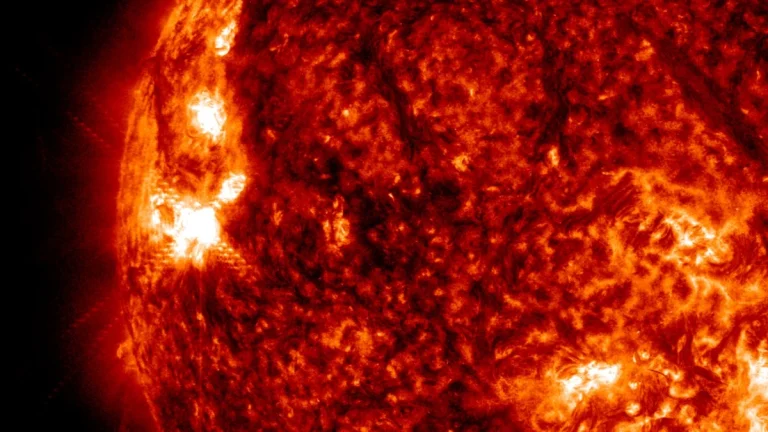
    A strong, long-duration solar flare registered as M8.1 erupted from Active Region 4100 at 00:05 UTC on May 31, 2025. The flare began at 23:31 UTC on May 30 and ended at 01:32 UTC on May 31. The eruption produced a significant coronal mass ejection (CME). Model forecasts indicate that the CME is Earth-directed and is expected to arrive on June 1.