
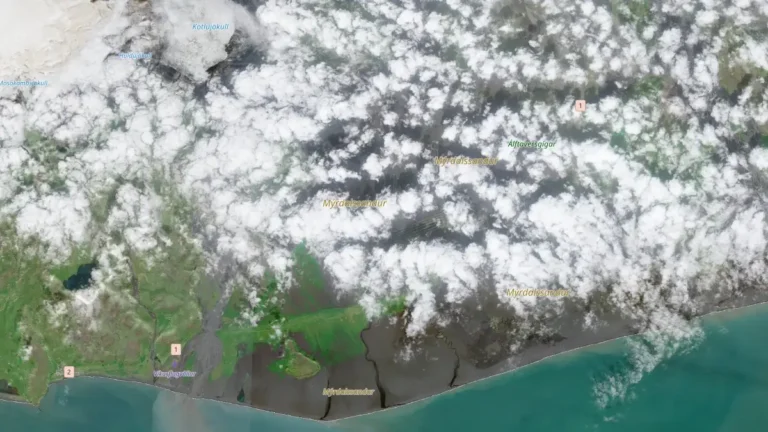
• Discharge rises, significant gas pollution reported during Múlakvísl glacial outburst flood, Iceland

    Electrical conductivity in Múlakvísl rose to just over 500 µS/cm during an ongoing glacial outburst flood on August 20, 2026, while discharge increased and significant gas pollution continued, according to the Icelandic Meteorological Office (IMO). The river level had not risen significantly, but webcam observations showed the river spreading across a wider area.
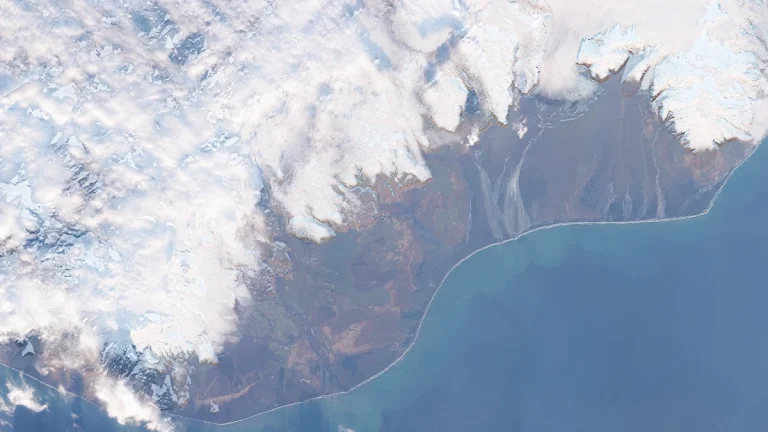
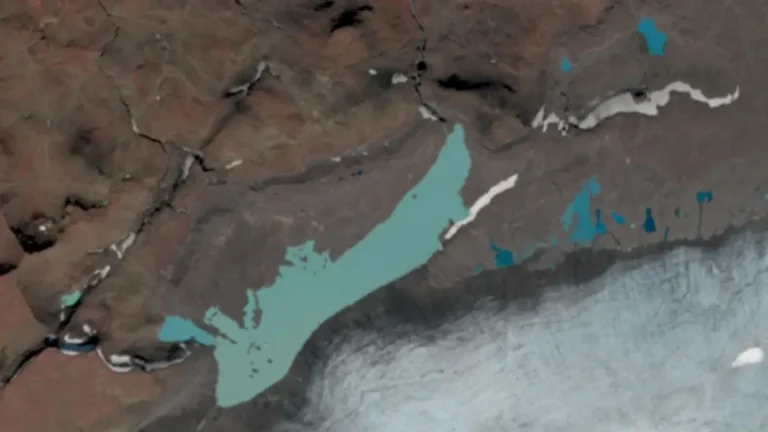
  • Glacial outburst flood in Skaftá River confirmed to originate from Vestari-Skaftár caldera, Iceland

    A glacial outburst flood in Iceland’s Skaftá River, first detected on December 8, 2025, has been confirmed to originate from the Vestari-Skaftár caldera beneath Vatnajökull ice cap. Flow at the Sveinstind station has decreased to just over 120 m³/s, down from 200 m³/s earlier in the week. Conductivity remains high and hydrogen sulfide continues to be detected along the river, but no impacts on major roads have been reported.

  • Grímsvötn volcano ash plume drops to five kilometers

    About 14 months after Eyjafjallajökull rumbled to life, another volcano on Iceland began spewing ash and steam. At approximately 17:30 UTC (5:30 p.m. local time) on May 21, 2011, Grímsvötn began to erupt, the Icelandic Met Office reported. The…

  • Eruption at Iceland’s Grímsvötn volcano

    Iceland's most active volcano, Grimsvotn, started erupting at around 17:30 UTC on May 21, 2011. The volcano, which lies under the Vatnajokull glacier in south-east Iceland, last erupted in 2004. In 2010, plumes of ash from Iceland's Eyjafjallajokull volcano…
