• CME impact causes minor increase in geomagnetic activity

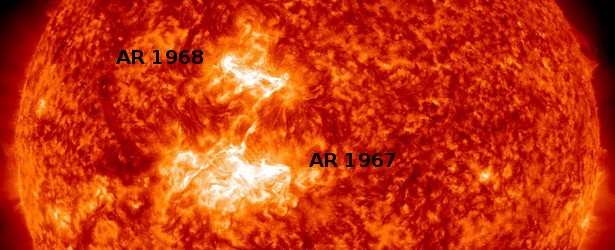
    A geomagnetic sudden impulse, indicating the arrival of the March 23 CME, was observed at the Hartland magnetometer (23 nT) at 20:09 UTC on March 25.

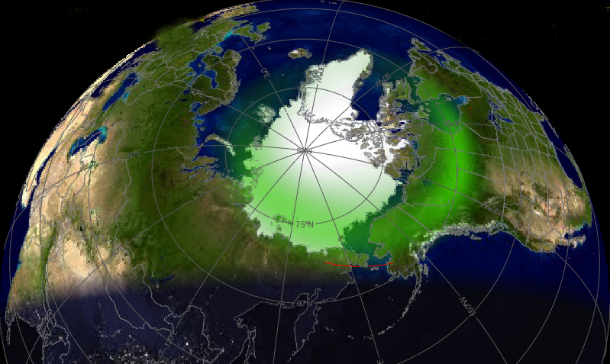
    The geomagnetic field is expected to be at unsettled to active levels (below G1-Minor) early on March 26 as CME
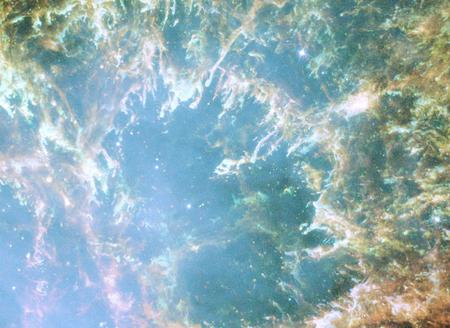
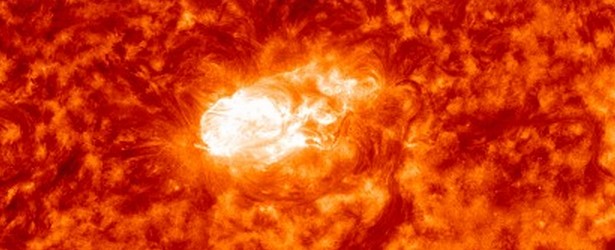
  • Astronomers find solar storms behave like supernovae

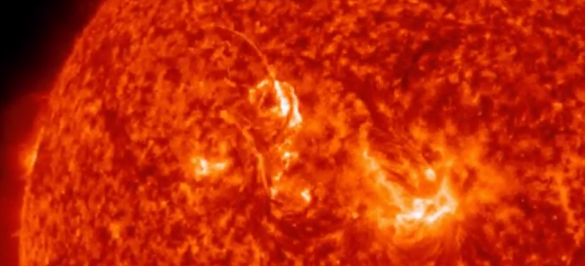
    Researchers at the UCL studying details of Coronal Mass Ejections (CMEs) have noticed that those eruptions have a surprising twin in the depths of space: the tendrils of gas in the Crab Nebula, which lie 6500 light-years away and are millions of

  • Multiple CMEs observed from central region on the Sun

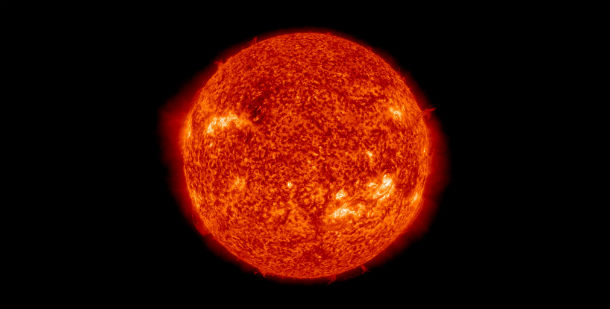
    Solar activity was at moderate levels in last 24 hours (12:30 UTC). Region 1974 (S13W05, Fsc/beta-gamma-delta) continued to exhibit growth and separation in the intermediate spots, and was responsible for the majority of the flare activity throughout the

  • Large solar prominence on the northwest limb

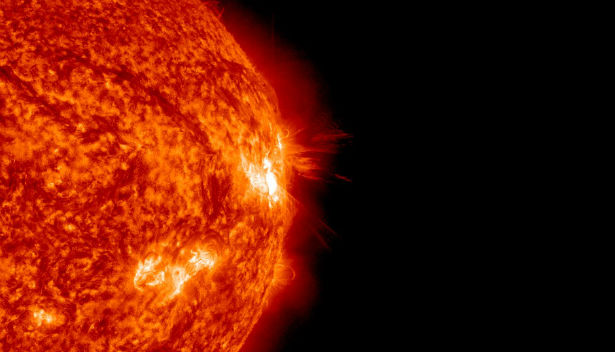
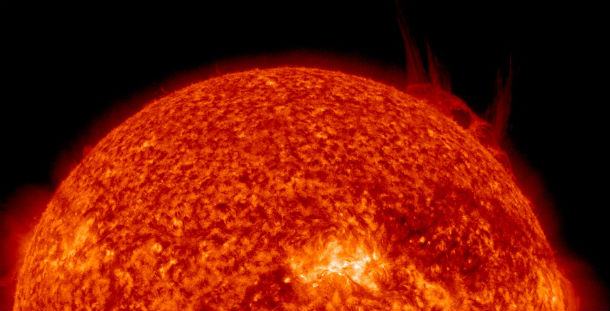
    A large prominence lifted off the northwest limb on July 21, 2013 and generated a Coronal Mass Ejection (CME), directed to the north and away from Earth. 


    STEREO Ahead and STEREO Behind COR2 images show the prominence flaring on July 22, 2013

  • Multiple views of solar activity – illustration

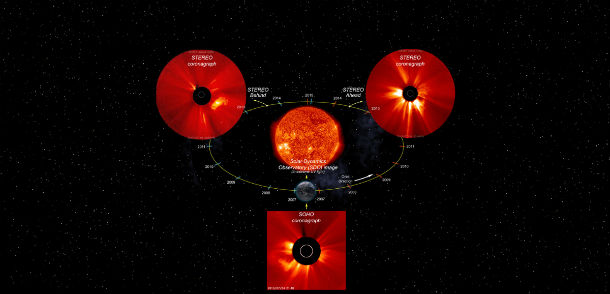
    SOHO's latest "Picture of the week" edition released great graphic illustration of combination of Sun-observing spacecrafts coverage of solar events.

    From their positions near the Sun-Earth line, SDO and SOHO observed small CME on July 4, 2013. At

  • Incoming CME to spark geomagnetic storming on July 13, 2013

    We saw increased geomagnetic activity for past two days as Kp index reached K=5, G1 geomagnetic storming level, on July 10. A minor CME hit Earth's magnetic field on July 9, 2013 at approximately 20:30 UTC and peaked during the early hours of