It rains on the Sun, and now we know why
A study published in the Astrophysical Journal on October 1, 2025, shows that sudden plasma rain in the Sun’s atmosphere is caused by shifting elemental abundances, solving a decades-old puzzle.

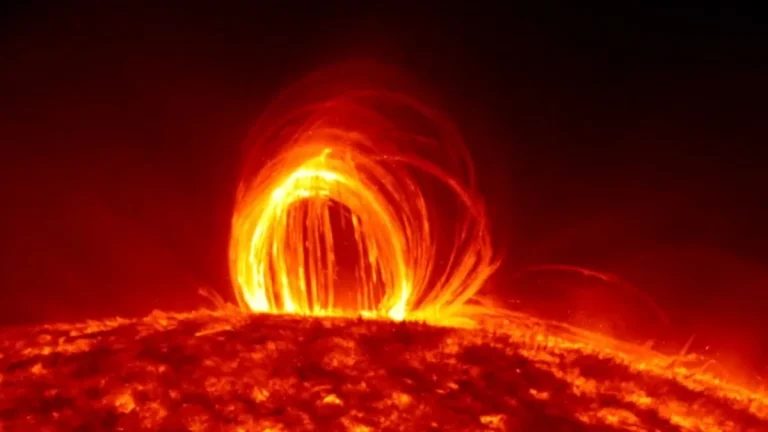
A study published in the Astrophysical Journal on October 1, 2025, shows that sudden plasma rain in the Sun’s atmosphere is caused by shifting elemental abundances, solving a decades-old puzzle.

Between May 10–12, 2024, a G5 – Extreme geomagnetic ‘superstorm’ triggered a record 98% depletion of ionospheric electron density over China and the wider Northern Hemisphere, cutting off HF radio, researchers report in National Science Review
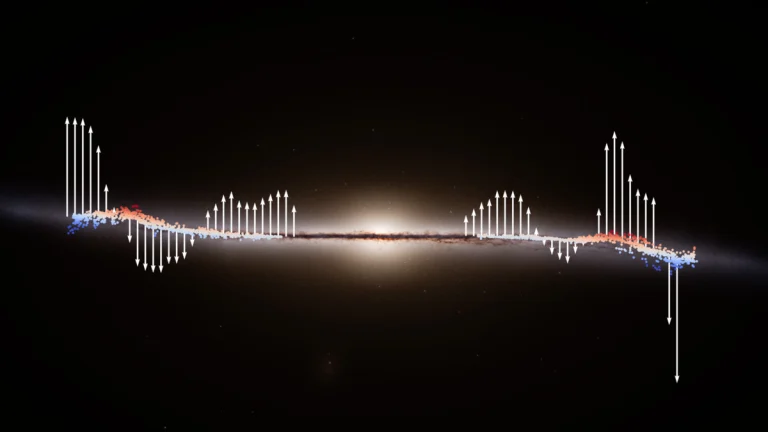
ESA’s Gaia mission revealed a massive stellar wave rippling outwards from the center of the Milky Way’s disc and spanning up to 65 000 light-years. The discovery could reshape how astronomers understand the forces shaping stars and gas on galactic scales.
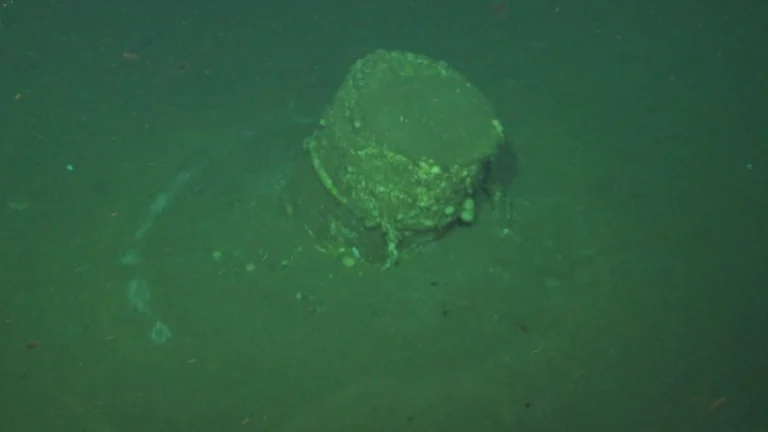
Scientists have found that the toxic DDT barrels dumped off the coast Los Angeles, California, have been leaking alkaline waste into the ocean floor. This has drastically changed the ocean floor environment around the barrels, resulting in the ghostly halos around the barrels and creating conditions similar to deep-sea hydrothermal vents and alkaline hot springs.
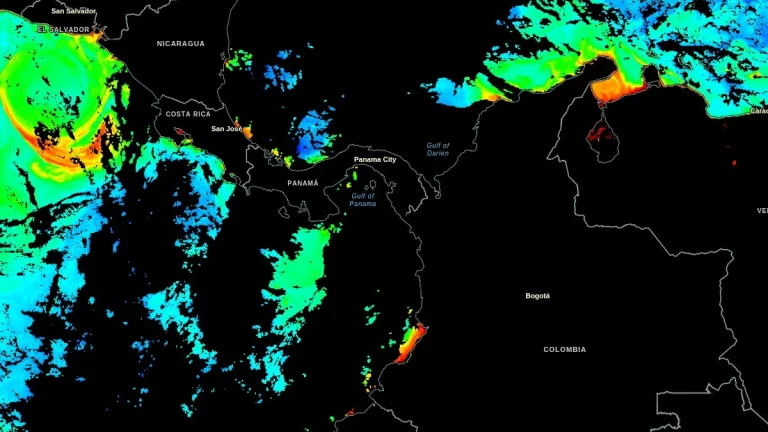
The collapse of Panama’s seasonal wind-driven upwelling cycle between January and April 2025 marked the first observed disruption in over four decades of records, breaking a long-standing physical pattern that supports marine productivity and buffers coastal ecosystems from thermal stress. Patterns like these are tracked because their consistency signals system stability and their collapse may indicate underlying shifts in climate dynamics.

The 1935 Labor Day Hurricane made landfall on Long Key, Florida, at approximately 20:40 LT on September 2, producing sustained winds near 295 km/h (185 mph), a central pressure of 892 mb (26.35 inHg), and storm surge over 5.5 meters (18 feet). The storm killed more than 400 people, including hundreds of World War I veterans housed in federal work camps, and obliterated nearly every structure along a 64 km (40 mile) stretch of the Upper Keys between Tavernier and Marathon, where entire communities were reduced to bare slabs by wind and surge.
