• Historic solar wind event reveals Alfvén wings in Earth’s magnetosphere

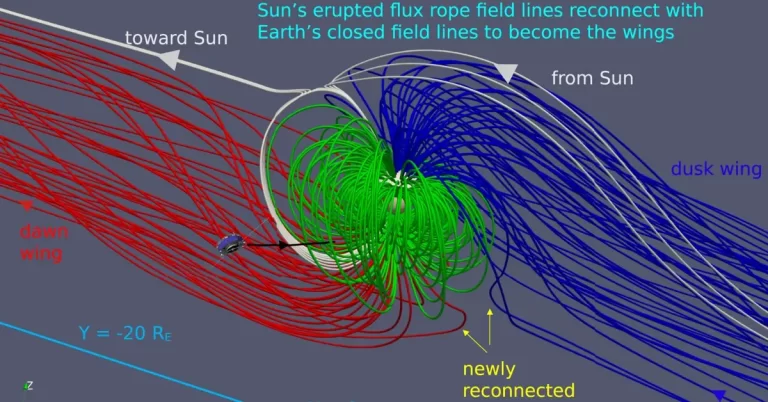
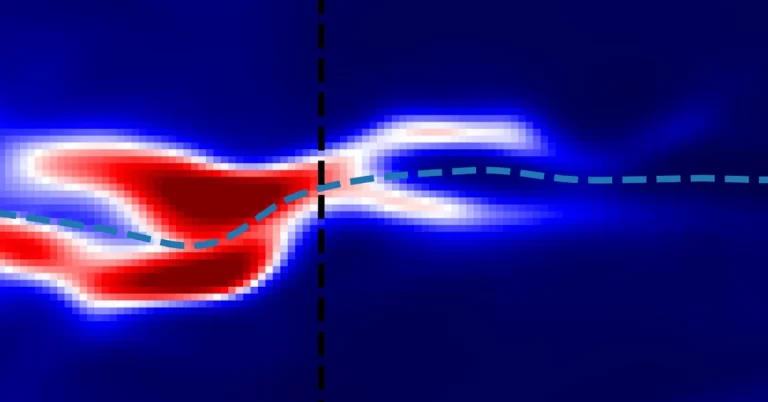
    New research published in Geophysical Research Letters reveals an unprecedented solar wind event observed by NASA’s Magnetospheric Multiscale (MMS) mission on April 24, 2023, when a massive coronal mass ejection (CME), with a low plasma beta of 0.01, caused Earth’s magnetosphere to lose its typical tail and form Alfvén wings. This event, lasting about two hours, provides new insights into space weather processes and the interaction between CME plasma and Earth’s magnetic field.

  • Kepler’s forgotten sunspot observations reshape our understanding of Maunder Minimum, coldest part of Little Ice Age

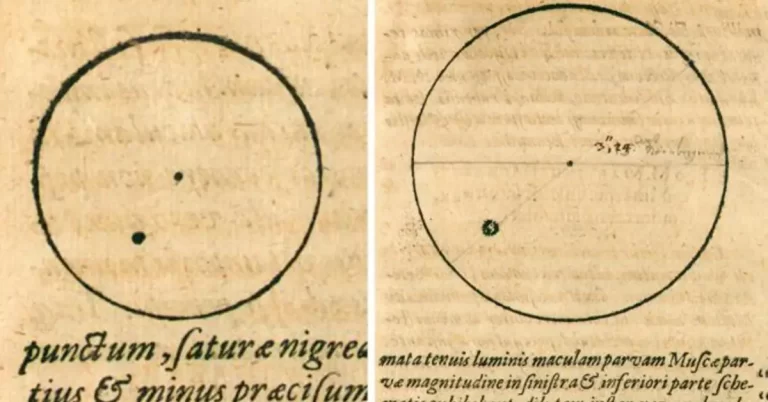
    Johannes Kepler’s half-forgotten 1607 sunspot drawings were re-examined in a 2024 study and revealed previously hidden information about the solar cycles before the Maunder Minimum, a unique grand solar minimum in observational history. This study questions previous assumptions and improves on the historical chronology of solar cycles.

  • Study maps 466 submarine volcanoes in Southeast Asia and surrounding regions

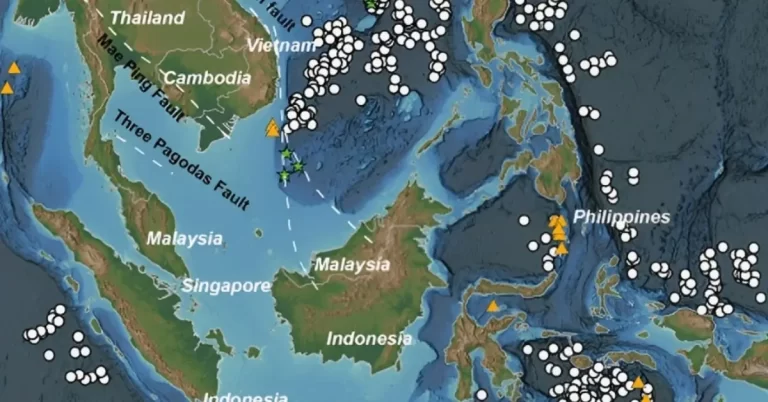
    Recent research from the Earth Observatory of Singapore (EOS) at Nanyang Technological University (NTU) has indicated that Singapore, which was previously thought to be safe, may be vulnerable to volcanic eruptions and tsunamis. The study, published in EGU’s Natural Hazards and Earth System Sciences in April 2024, discovered 466 submarine volcanoes in the region, emphasizing the potential threats posed by submerged seamounts in the South China Sea.

  • New study proposes aliens could be ‘walking among us’

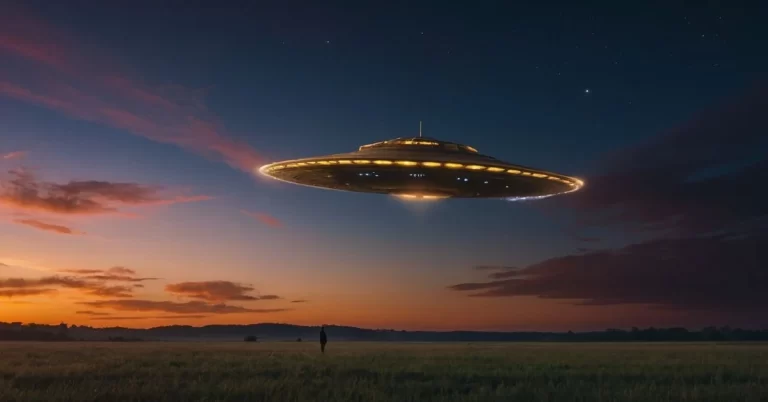
    A new study by scientists at Harvard and Montana Tech universities presented the Cryptoterrestrial Hypothesis, which contends that Unidentified Anomalous Phenomena (UAPs) — commonly known as UFOs — may have hidden earthly origins and involve advanced terrestrial civilizations. This puts into question the current extraterrestrial explanation and encourages scientists to be open to unorthodox possibilities.

  • Antikythera mechanism mystery deciphered with gravitational wave research

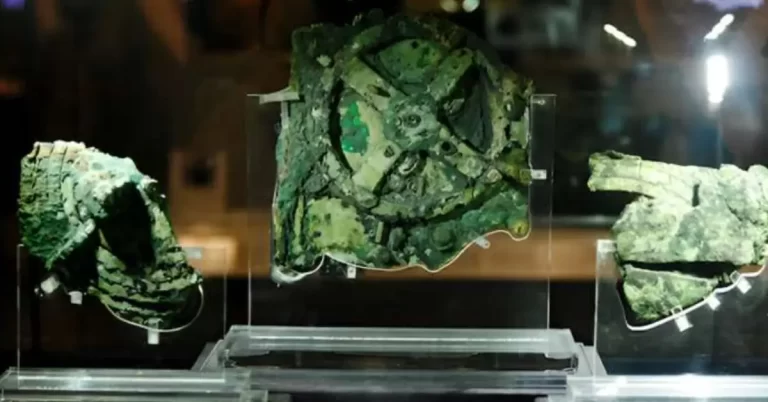
    Gravitational wave researchers from the University of Glasgow used modern statistical approaches to solve questions about the ancient Antikythera mechanism. Their results provided new insights into its precise design and function, offering information on how ancient Greeks tracked astronomical phenomena with unparalleled precision.

  • Webb detects the farthest Type Ia supernova

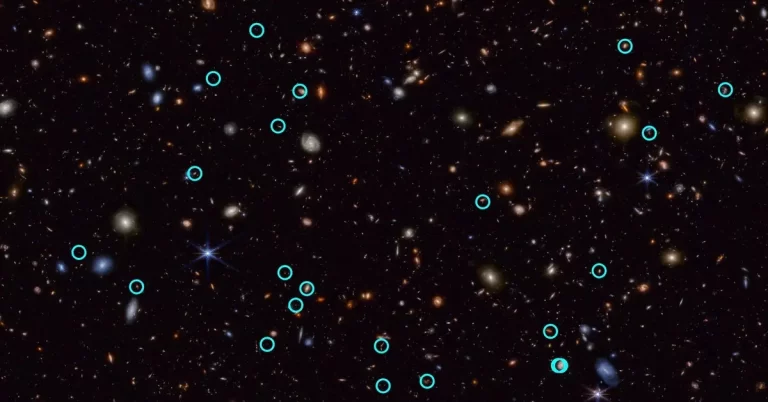
    Astronomers using the James Webb Space Telescope (JWST) found the most distant Type Ia supernovae yet detected, demonstrating JWST’s ability to study extraterrestrial processes.