• Record-breaking rainfall leaves dead and missing in New Zealand

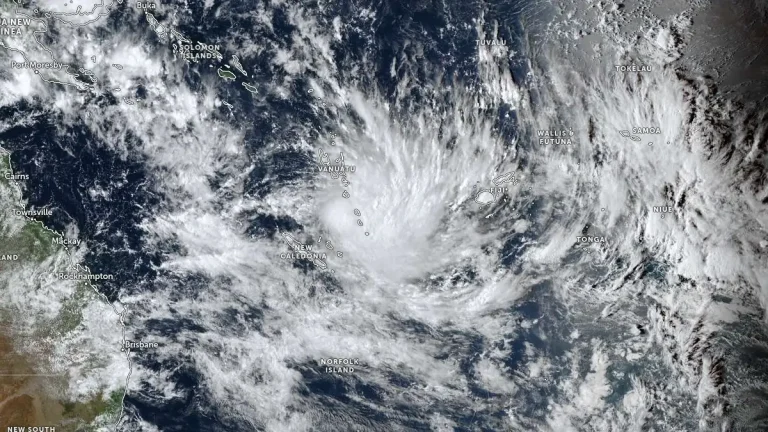
    Record-breaking rainfall left at least two people dead and several others unaccounted for in parts of New Zealand on January 21, 2026. The event produced multiple rainfall records and damaging winds, marking the 20th Red Warning weather event since the alert level was introduced in May 2019.

  • At least 5 dead in Tunisia after the heaviest rain in 70 years

    At least 5 people have been reported dead after the heaviest rain in over 70 years struck parts of Tunisia, dropping over 200 mm (8 inches) of rainfall since Monday, January 19, 2026. A Red Alert (the highest warning level) was issued for the Grand Tunis area as well as the Nabeul and Monastir provinces as rainfall and floods continued through Tuesday into Wednesday, January 20-21.

  • Extreme cold watches expand as Arctic outbreak spreads across central United States

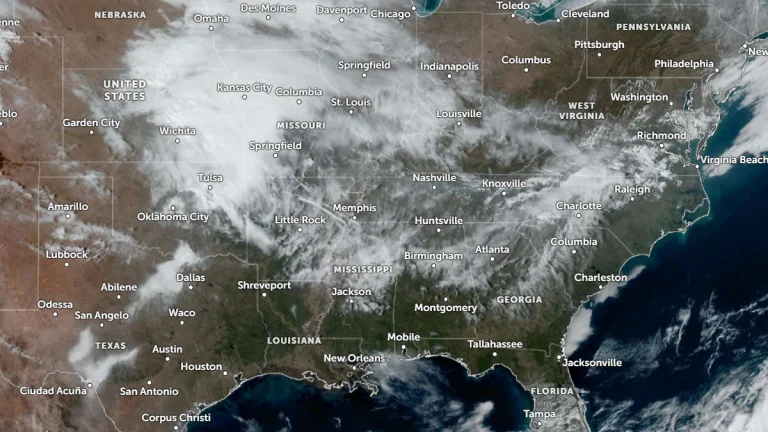
    A large and prolonged outbreak of Arctic air is spreading across the United States, prompting extreme cold watches across much of the northern and central United States from Thursday, January 22, 2026, through Friday, January 24. This Arctic outbreak will bring one of the most dangerous cold spells in recent years, with the greatest threat lasting from Thursday night through early Saturday morning.

  • CME impact forecast early January 20 with G4 – Severe or higher storm risk and aurora as low as California

    A G4 – Severe or greater geomagnetic storm is forecast for early January 20, 2026, as a full-halo coronal mass ejection from the January 18 X1.9 solar flare approaches Earth. If G4 conditions materialize, auroral activity is expected to expand significantly equatorward, with visibility possible as far south as Alabama and northern California.

  • Long-duration X1.9 solar flare erupts from Region 4341, Earth-directed CME produced

    A long-duration X1.9 solar flare erupted from Active Region 4341 at 18:09 UTC on January 18, 2026. The event began at 17:27 and ended at 18:51 UTC. Coronagraph imagery indicates that a full halo coronal mass ejection (CME) was produced during the eruption. Given the location of the source region on the solar disk, the CME is considered likely to be at least partially Earth-directed, pending further analysis of its speed and magnetic structure.