• Tornadoes damage homes and infrastructure across multiple Midwest states on April 17

    A severe weather outbreak produced multiple tornadoes across the Midwestern United States on April 17, 2026, resulting in structural damage to residential buildings and infrastructure in several states. Preliminary National Weather Service data indicates more than 20 tornado reports, with impacts concentrated in Wisconsin, Illinois, and Minnesota and extending into Missouri, and at least one reported injury.

  • Tornado Watch issued for parts of Iowa, Illinois, Minnesota, Missouri and Wisconsin

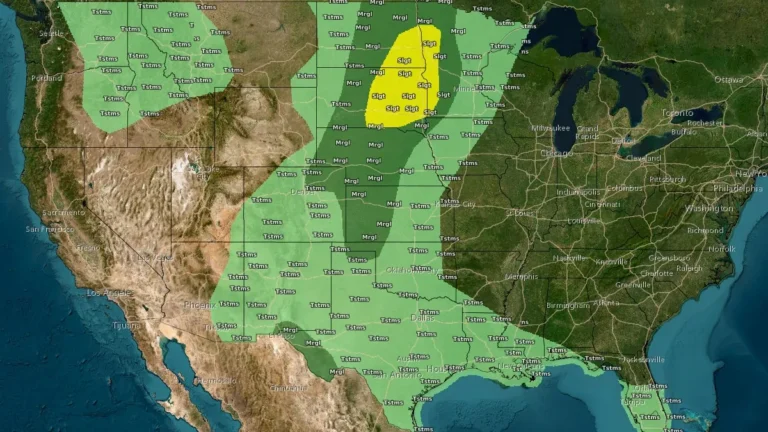
    The Storm Prediction Center issued a Tornado Watch for a multi-state region of the Upper Midwest at 17:40 UTC (12:40 CDT) on April 17, 2026, citing a highly unstable environment ahead of an advancing cold front. Severe storms are expected to develop through the afternoon and evening, with tornadoes, large hail, and strong wind gusts as primary hazards.

  • Strong tornadoes, large hail and damaging winds expected from Plains to Great Lakes on April 17

    A multi-phase severe weather event is expected to impact the central United States on April 17, 2026, from northern Oklahoma to Wisconsin, with an Enhanced Risk of severe storms in place. Initial supercells may produce strong tornadoes and large hail before transitioning into an organized system capable of widespread damaging winds and localized flash flooding.

  • Severe hailstorm damages hundreds of homes in Bắc Hà, Lào Cai Province, Vietnam

    A severe hailstorm struck Bắc Hà Commune, Lào Cai Province, Vietnam, in the early hours of April 16, 2026, damaging 338 homes, injuring four people, and affecting 485.5 ha (1 200 acres) of crops. The storm, which lasted about 20–30 minutes, produced large hail and strong winds that caused structural damage and economic losses exceeding VND 30 billion (USD 1.1–1.2 million).

  • Remote Papua New Guinea landslide kills 10 after days of heavy rain and flooding brought by Cyclone Maila

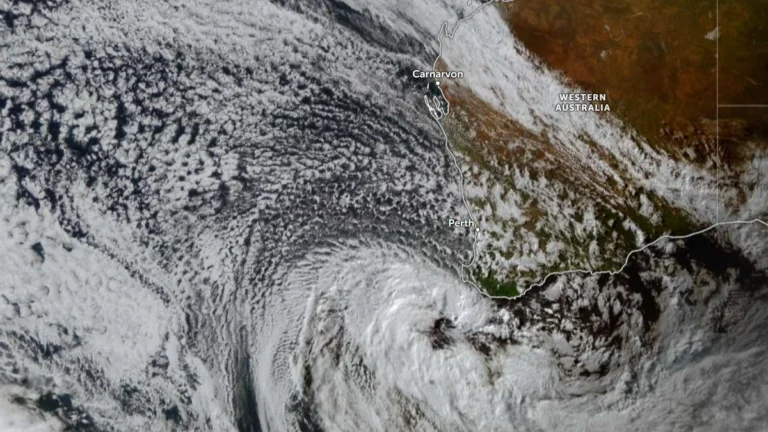
    A landslide in the remote Lamarain area of Gazelle District, East New Britain Province, Papua New Guinea, killed 10 people after prolonged heavy rain linked to Tropical Cyclone Maila. Local community accounts said the victims had been sheltering in makeshift garden houses after flooding cut off access between their village and gardens.

  • At least 12 killed as floods cut off communities in northwestern Haiti

    Heavy rainfall caused floods, river overflows, and landslides across northwestern Haiti from April 11 to 13, 2026, killing at least 12 people and flooding hundreds of homes. The hardest-hit municipalities were Saint-Louis-du-Nord, Port-de-Paix, and Anse-à-Foleur, where damaged roads and bridges left several communities cut off.

  • Early-season EF-3 tornado damages home and multiple outbuildings near Union Center, Wisconsin

    An EF-3 tornado struck rural areas west-northwest of Union Center, Wisconsin, between 17:33 and 17:52 CDT (22:33-22:52 UTC) on April 14, 2026, damaging a family home, destroying numerous outbuildings, and downing many trees along a 14.1 km (8.78-mile) path. The National Weather Service in La Crosse confirmed peak winds of 225 km/h (140 mph) in its preliminary damage survey.

  • Super Typhoon Sinlaku cripples power, roads and key infrastructure on Saipan and Tinian

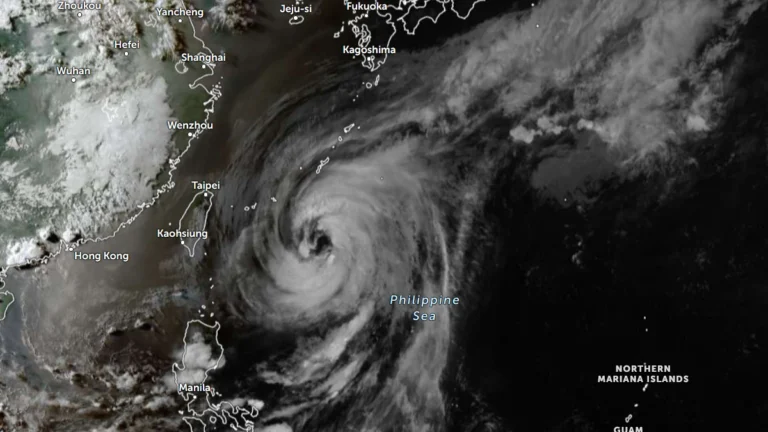
    Super Typhoon Sinlaku struck the Northern Mariana Islands late on April 14, 2026, bringing sustained winds near 241 km/h (150 mph) at peak impact and unusually slow movement that kept destructive conditions over populated islands for hours. The islands of Saipan and Tinian sustained widespread infrastructure damage, prolonged utility outages, blocked roads, and flooding, with officials warning that full restoration in some hard-hit areas could take days to weeks.

  • NWS confirms EF-2 tornado hit Ottawa, Kansas, injuring 3 on April 13

    An EF-2 tornado struck Ottawa in Franklin County, Kansas, between 19:23 and 19:48 CDT on April 13, 2026, damaging homes, businesses, and power infrastructure while injuring three people. The National Weather Service estimated peak winds of 201 km/h (125 mph), with a damage path of 11.75 km (7.3 miles) and a maximum width of 91 m (100 yards).