• Rare fallstreak hole cloud observed over Melbourne, Australia

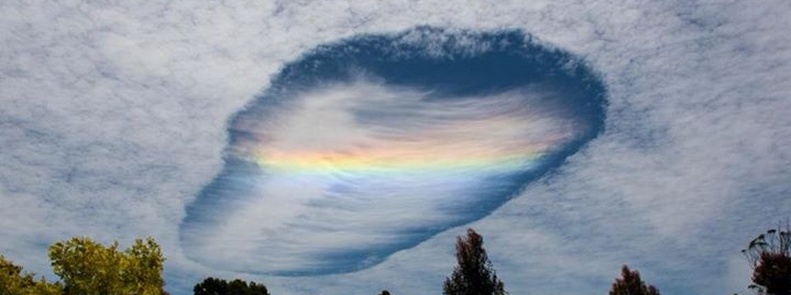
    A rare fallstreak hole cloud was observed today over Melbourne, Australia, Meteo Europe team reports. Because of their rarity and unusual appearance, as well as very little exposure in media, fallstreak holes are often mistaken for or attributed to unidentified flying o
  • 2014 ozone hole update

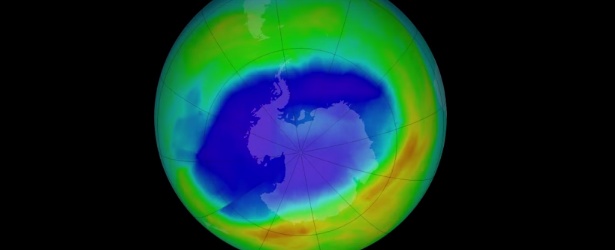
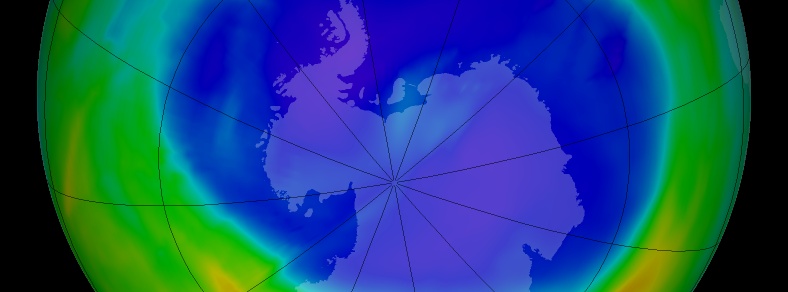
    According to scientists from NASA and NOAA, the Antarctic ozone hole reached its annual peak on September 11 with the size of 24.1 million square kilometers (93 million square miles). Overall, the 2014 ozone hole is smaller than the large holes of the 1998–2006 pe

  • World Ozone Day 2014

    September 16, 2014 – The World Ozone Day, is meant to commemorate the success that has been achieved in ameliorating ozone depletion since the enactment of the Montreal Protocol, but also to bring attention to the work ahead. In their first review in four years on

  • NRL reveals new meteorological insight into mid-level clouds

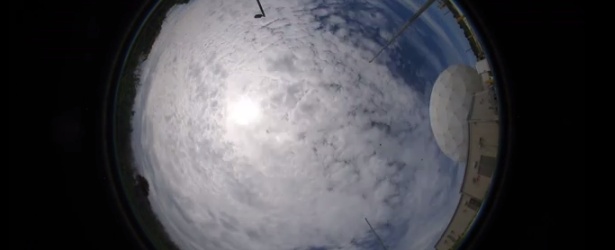
    Research meteorologists at the U.S. Naval Research Laboratory (NRL) Marine Meteorology Division (MMD) and Scripps Institution of Oceanography, employing the Navy's Mid-Course Doppler Radar (MCR) at Cape Canaveral, were able to characterize mid-level, mixed-phase alt

  • Another outbreak of noctilucent clouds over Europe

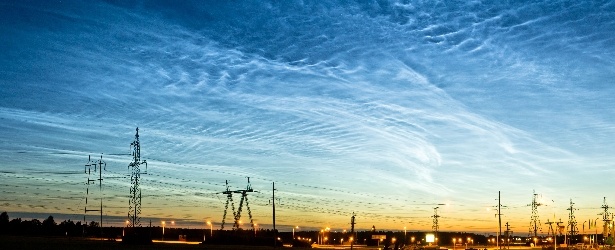
    The weekend of July 12 – 13 brought another outbreak of noctilucent clouds (NLCs) to Europe, SpaceWeather reports. Across the northern reaches of the continent, skies were criss-crossed by signature ripples of electric blue, like these photographed by Jaan Jalgrata

  • Saharan dust on the move across Atlantic Ocean

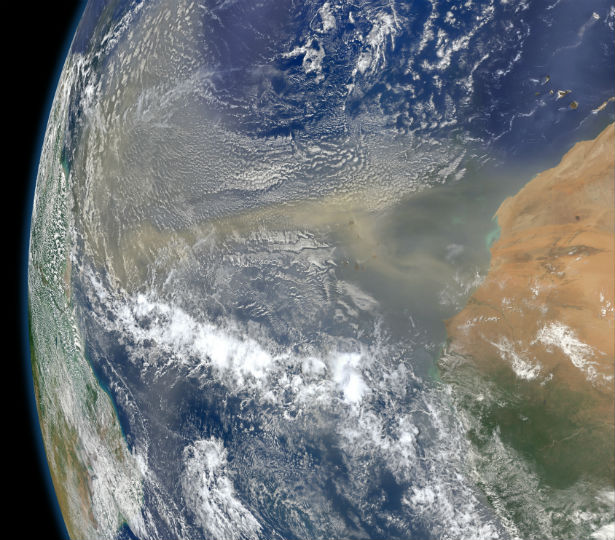
    Disturbances such as large thunderstorm complexes or simply strong trade winds over North Africa periodically result in vast dust and sand storms, some of which extend as high as 6 000 meters. These can be driven out to sea within the Saharan Air Layer

  • Noctilucent clouds outburst reported

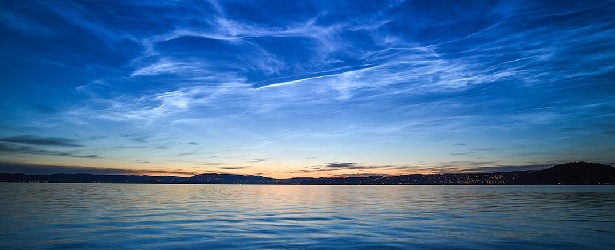
    Sky watchers in Europe are reporting an outburst of bright noctilucent clouds (NLCs). The display began at sunset on July 3rd, filling northern horizons with electric-blue ripples, swirls, and tendrils of light.Morten Ross sent this picture to SpaceWeather.com from