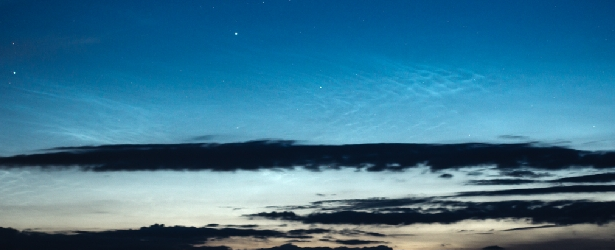
• Noctilucent clouds sighted in Germany

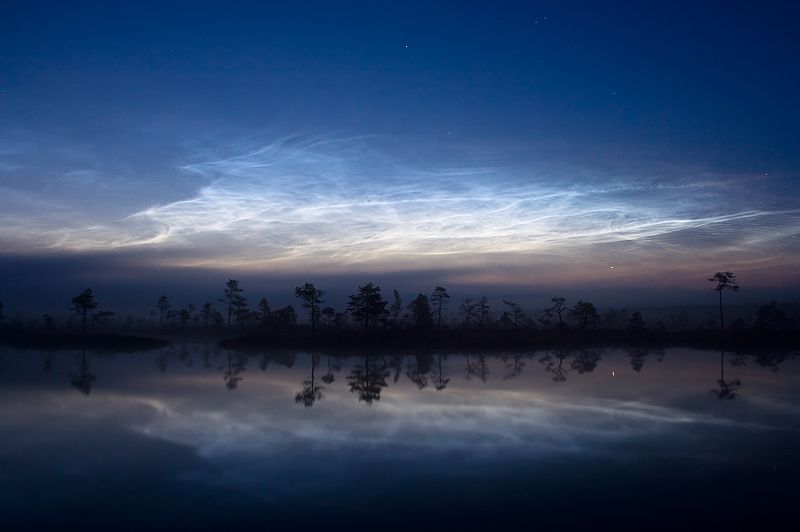
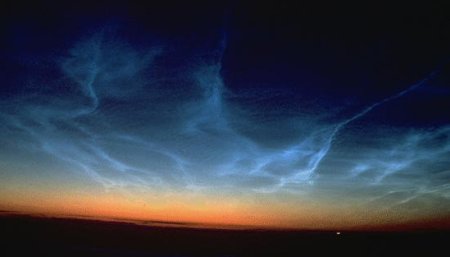
    For the second time in just a few days, noctilucent clouds (also known as NLCs) have been sighted in Germany, SpaceWeather reports. Although their northern season is just getting underway, researchers aren't sure why these early NLCs seem to favo
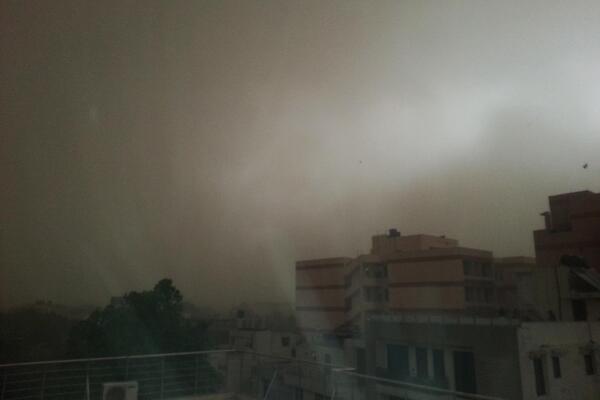
  • Massive sandstorm hits northwest China

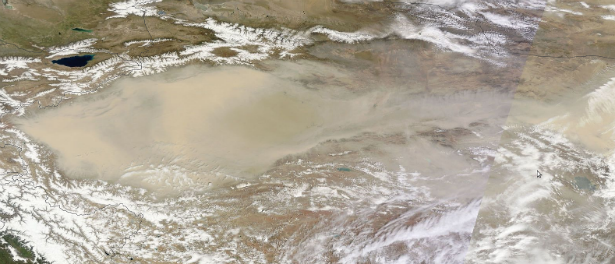
    Massive sandstorm in northwest China is transporting large sand deposits from Taklimakan Desert in western China and the Gobi desert in the east, through Gansu Province and the Xinjiang Uygur autonomous region. A very large front is moving eastward across Asia,…

  • Unexpected teleconnections in noctilucent clouds

    NASA's AIM spacecraft is discovering unexpected "teleconnections" in Earth's atmosphere that link weather and climate across vast distances.Teleconnection in atmospheric science refers to climate anomalies being related to each other at large d

  • Dangerous air pollution hit Iceland's capital

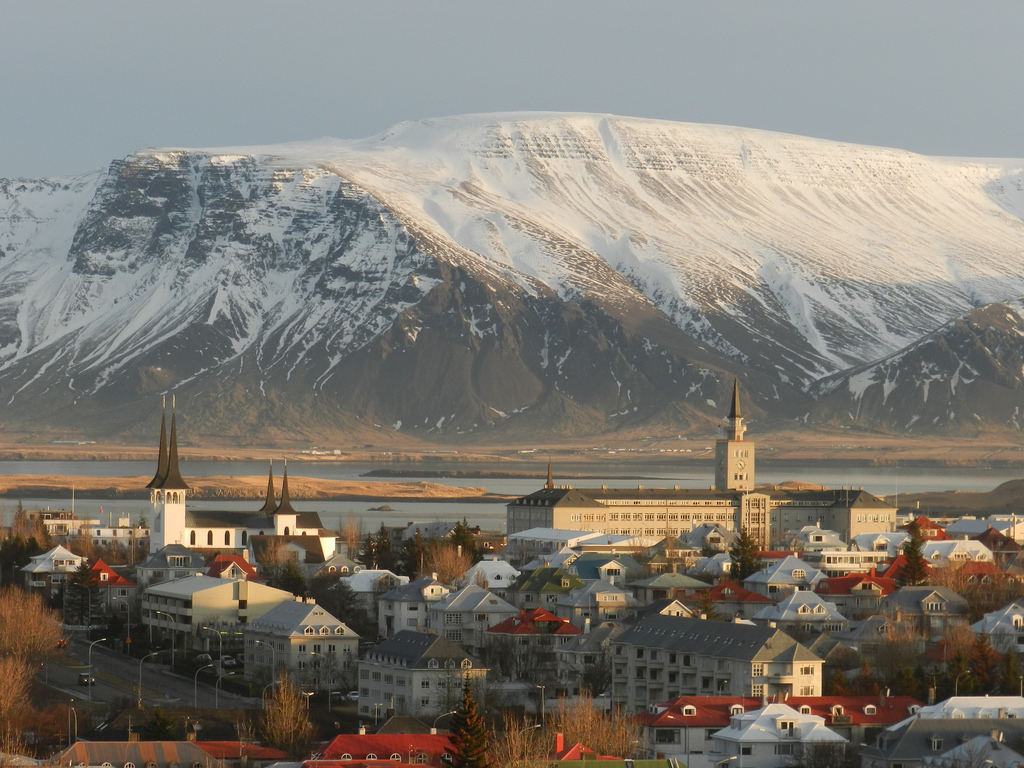
    Reykjavík and other parts of Iceland recorded 40 times the upper safe limit of pollution levels on February 19/20, 2014. The pollution levels haven't been so high since the last volcanic eruptions in 2010-2011. However, this time it is not ash that

  • Arthur Few explains lightning activity at Chaiten volcano, Chile

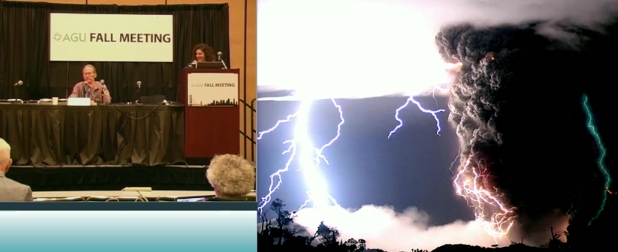
    In May 2008 the Chilean volcano Chaiten erupted spectacularly and exhibited remarkable lightning activity. Photographer Carlos Gutierrez captured a few images showing unusual kelly-green lightning channels. In this briefing, lightning researcher Arthur Few explains the

  • Air pollution in northeastern China reached hazardous levels

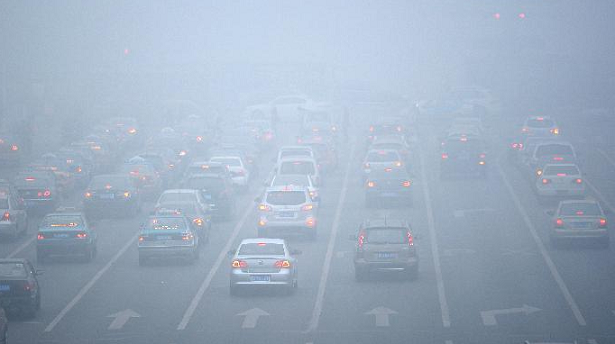
    A cold front has sent temperatures plummeting in most northeastern Chinese provinces, causing fog and haze to linger across the region. Agricultural fires in the region in the fall,  following the harvest, also influenced levels of smog. Since

  • Antarctic ozone hole reaches maximum size for 2013

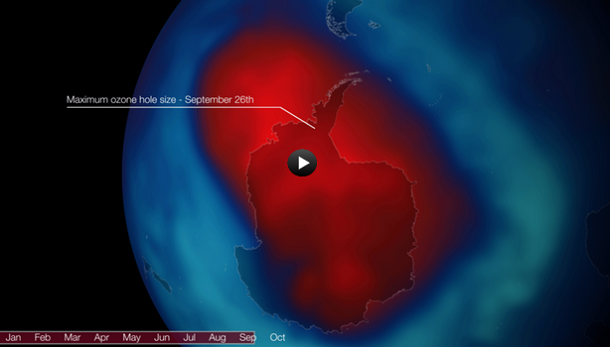
    Each year for the past few decades during the Southern Hemisphere spring, chemical reactions involving chlorine and bromine cause ozone in the southern polar region to be destroyed rapidly and severely. This depleted region is known as the “ozone