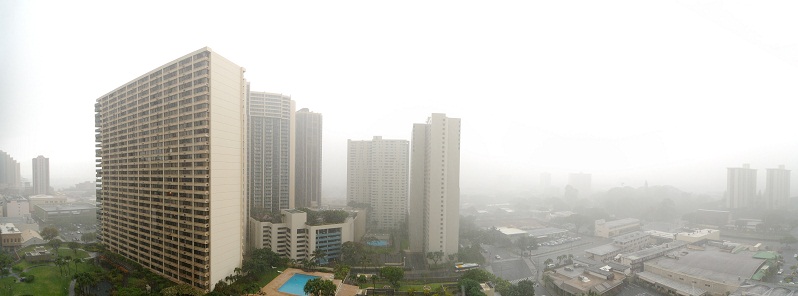
• How effective is rain in cleaning the atmosphere

    Atmospheric chemists at MIT claims to have obtained the most accurate estimates of rates of coagulation between rain droplets and aerosol particles that in turn could be used to determine the extent to which natural rain may contribute to keeping the atmosphere

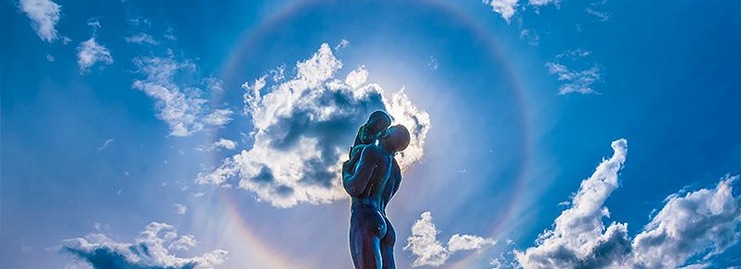
  • Solar halo optical phenomena observed in Sweden

    The halos are caused by light refraction and reflection of millions of tiny ice crystals in high cirrus clouds. These high, thin clouds appear about 6 km (20 000 feet) or more above the ground, and are usually accompanied by a storm shortly after..Ice crystals in cirrus

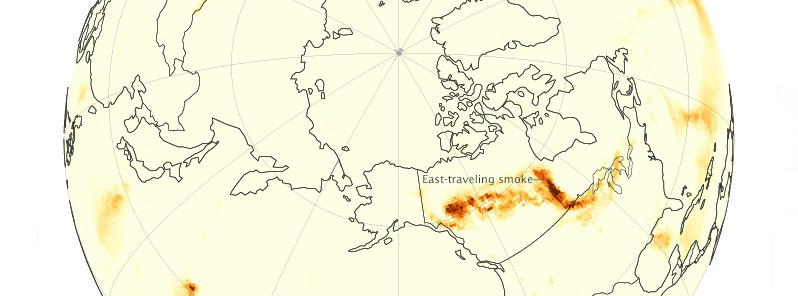
  • Smoke goes around the world

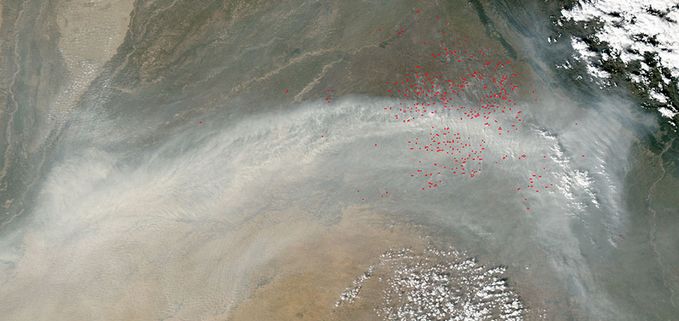
    Wildfire smoke is a combination of gases and aerosols – tiny solid and liquid particles suspended in air – and can have an effect on cloud formation, atmospheric cooling and heating, and human health, NASA's Earth Observatory explains. The animated series of images

  • After Europe and Canada, noctilucent clouds expand to USA

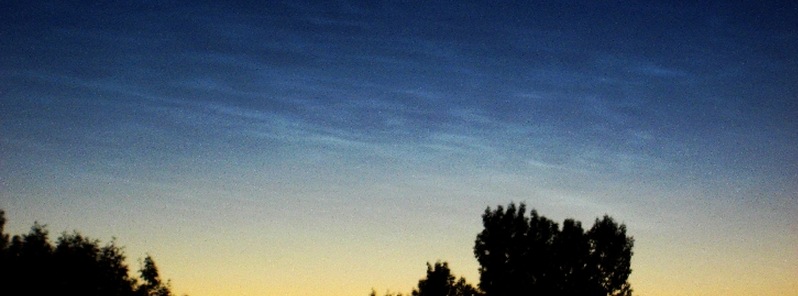
    The 2015 northern hemisphere noctilucent clouds season started on May 19, 2015 when NASA's AIM spacecraft spotted a patch of electric blue clouds over the Artactic Circle. Since then, noctilucent clouds (NLCs) have been moving south and, on June 8 – 9, they…

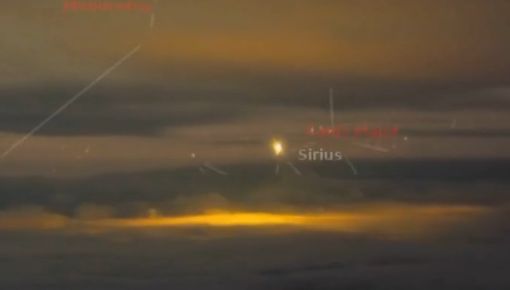
  • Sprite season begins in northern hemisphere

    Sprite season – spectacular, eerie flashes of colored lights that appear high above the tops of powerful thunderstorms – is underway, SpaceWeather reports. Because sprites are associated with thunderstorms, they tend to occur in late spring and summer. "Sprites…

  • Tracking the SO2 emission from Calbuco eruption

    Ash and pumice particles were lofted high into the atmosphere after an explosive eruption of Chile's Calbuco volcano on April 22, 2015 and the debris has been darkening skies and burying parts of Chile, Argentina, and South America for nearly a week. Along with 210

  • Strange behavior of Antarctic noctilucent clouds

    The southern noctilucent clouds (NLCs) season is over now, but looking back over the entire season reveals something unexpected.In an 8-year plot of the Antarctic noctilucent cloud frequencies, the 2014/15 season is clearly different from the rest, SpaceWeather reports.

  • Satellite tracks Saharan dust to Amazon in 3D

    For the first time, a NASA satellite has quantified in three dimensions how much dust makes the trans-Atlantic journey from the Sahara Desert to the Amazon rainforest. Among this dust is phosphorus, an essential nutrient that acts like a fertilizer, which the Amazon dep