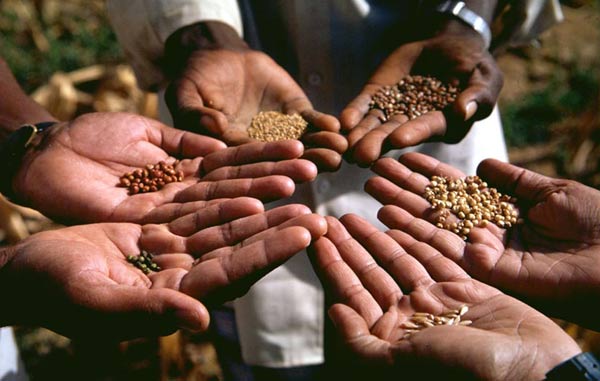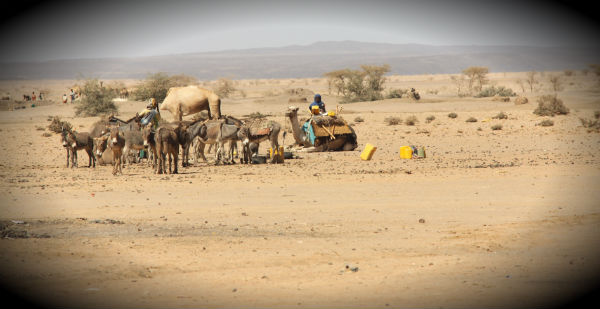
• Drought hits Angola’s farms

    A drought is threatening Angola’s already modest food production, in a setback for efforts to revive once-vibrant farmlands abandoned during decades of war. The dry season that normally lasts only about three weeks in December has stretched to three months in parts of
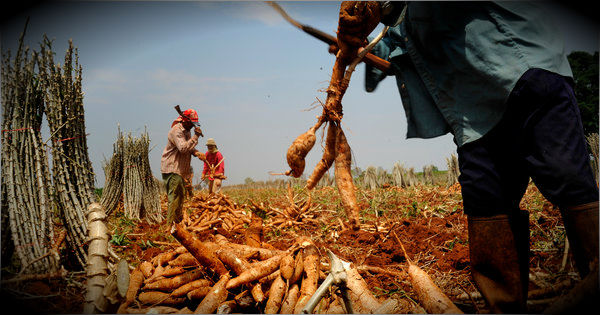

  • Millions are hungry while food supplies rot in India

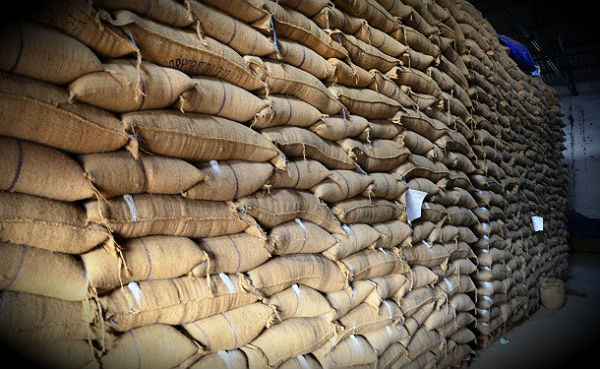
    India is struggling with too much wheat while the rest of the world is anticipating a shortage. Thanks to the virtual banning of exports since 2007, India is producing more wheat than it can properly store and now the Indian government does not know where to store

  • Nitrate in drinking water poses health risks for rural Californians

    According to a report released by the University of California and comissioned by the California State Water Resources Control Board, one in 10 people living in California’s most productive agricultural areas is at risk for harmful levels of nitrate contamination in

  • Agricultural fires in Indochina seen from satellite

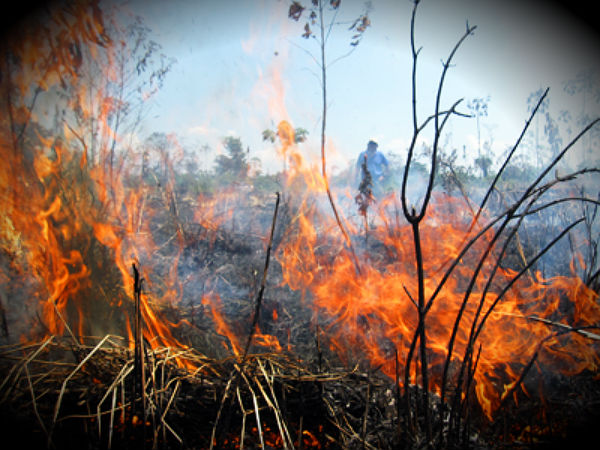
    Late winter or early spring is the time scheduled for farmers in Southeast Asia for preparing land for seasonal agriculture, usually for planting crops. On February 14, 2012, the Moderate Resolution Imaging Spectroradiometer (MODIS) aboard NASA’s Aqua satellite

  • Radioactive farmlands around Fukushima mapped

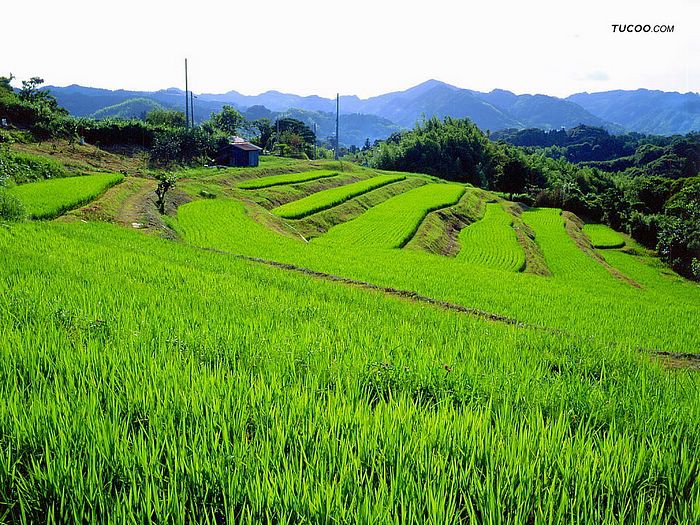
    A study released on Monday in the Proceedings of the National Academy of Sciences (PNAS) modeled the spread of cesium-137, a radionuclide that can persist in soils for 30 years, across much of the country. The new map defines the highest risk areas beyond Fukushima

  • Haze over the Bay of Bengal

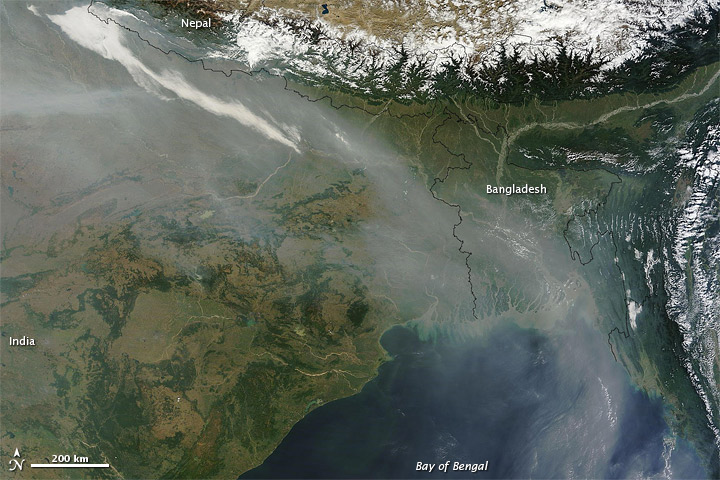
    By early November 2011, haze had hovered along the southern slopes of the Himalaya for days. The river of haze flowed toward the southeast along the mountain range, and turned southward over Bangladesh. On November 7, 2011, the Moderate Resolution Imaging

  • Feeding the world: Solutions for a Cultivated Planet

    One billion people on Earth don’t have enough food right now. It’s estimated that by 2050 there will be more than nine billion people living on the planet. Meanwhile, current agricultural practices are amongst the biggest threats to the global environment. This means