
Floods after heavy rainfall leave 13 dead and 9 598 households affected across Malawi
Flooding triggered by heavy rainfall across Malawi between March 15 and 18, 2026, affected 9 598 households, displaced 128 households, and left 13 people dead and 35 injured, according to the Department of Disaster Management Affairs (DoDMA). Preliminary impacts were reported across 16 districts and city councils, with 12 evacuation camps established and road access disrupted in several areas.
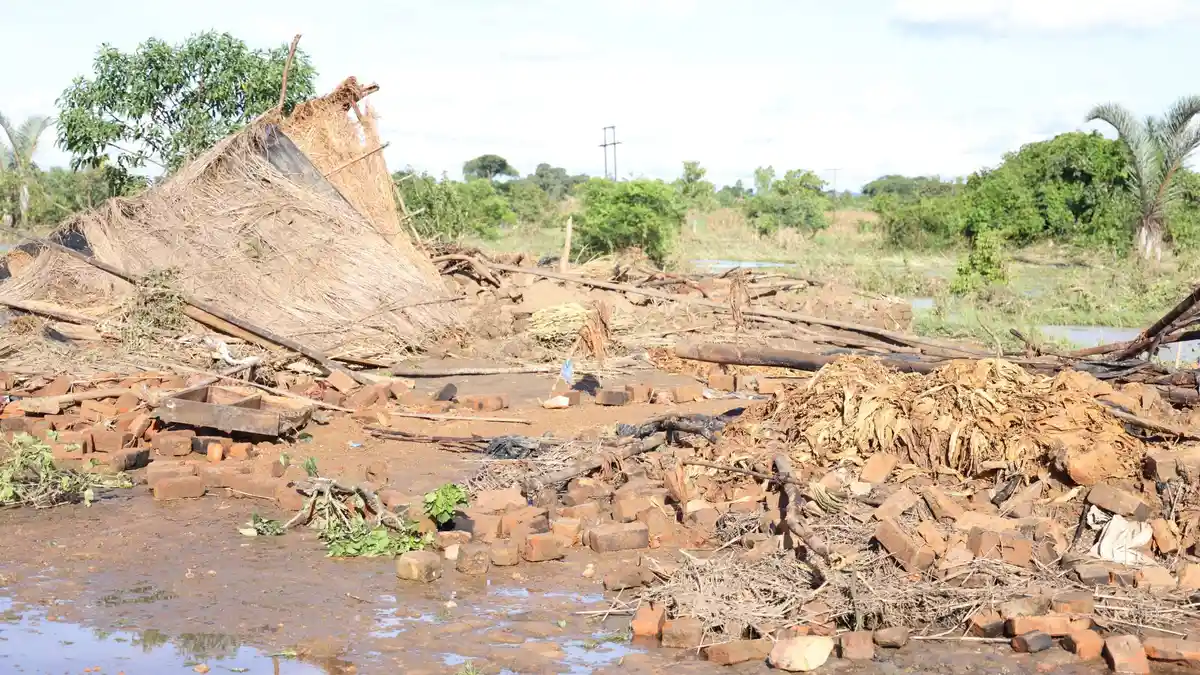
Floods in Malawi on March 19, 2026. Credit: Department of Disaster Management Affairs
Flooding triggered by sustained heavy rainfall between March 15 and 18 affected multiple regions across Malawi, with official data confirming 13 fatalities, 35 injuries, and 9 598 households impacted nationwide.
The Department of Disaster Management Affairs (DoDMA), operating under the Office of the President and Cabinet, reported that 128 households have been displaced and 12 evacuation camps have been established across six councils.
Preliminary assessments indicate that impacts were recorded across 16 district and city councils, including Blantyre City and District, Chikwawa, Chiradzulu, Dedza, Karonga, Lilongwe District, Machinga, Mangochi, Mchinji, Mulanje, Mwanza, Neno, Phalombe, and Zomba City and District. Authorities noted that detailed assessments are ongoing, with councils expected to submit comprehensive reports as data collection continues.
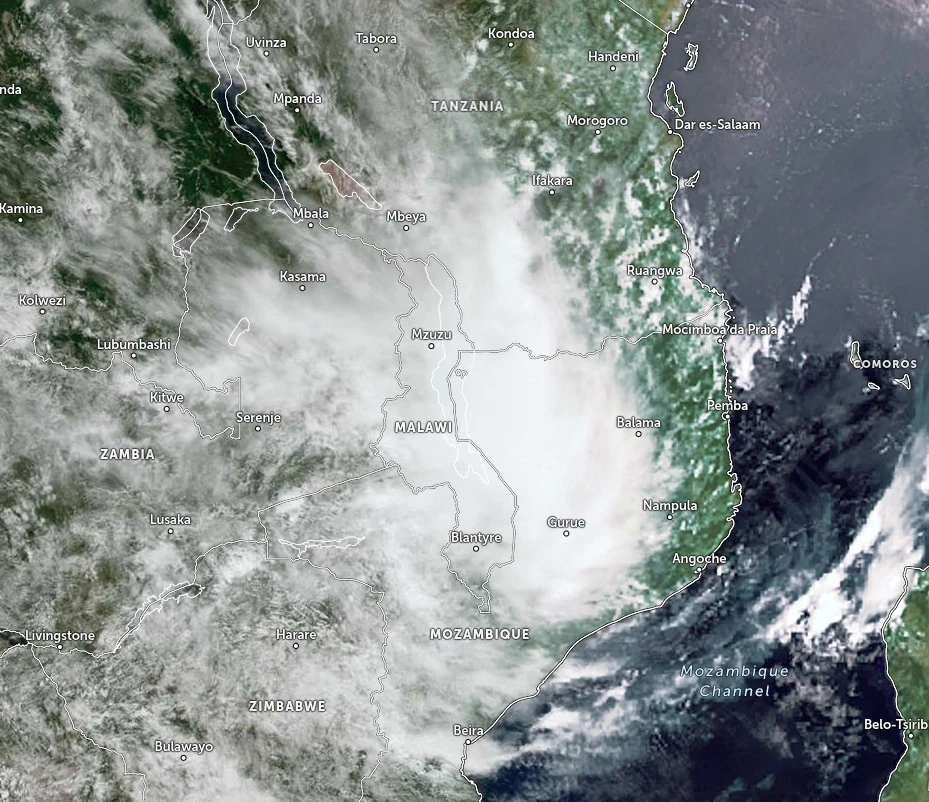
Chikwawa District recorded one of the highest impacts, with 1 565 households affected and three fatalities reported. Flooding has rendered sections of the Chikwawa–Nsanje road impassable at Bereu Trading Centre, disrupting transport connectivity.
In Machinga District, 1 471 households were affected, with two deaths and 18 injuries recorded, while Mangochi reported 1 189 affected households and two fatalities involving children who attempted to cross a flooded river.
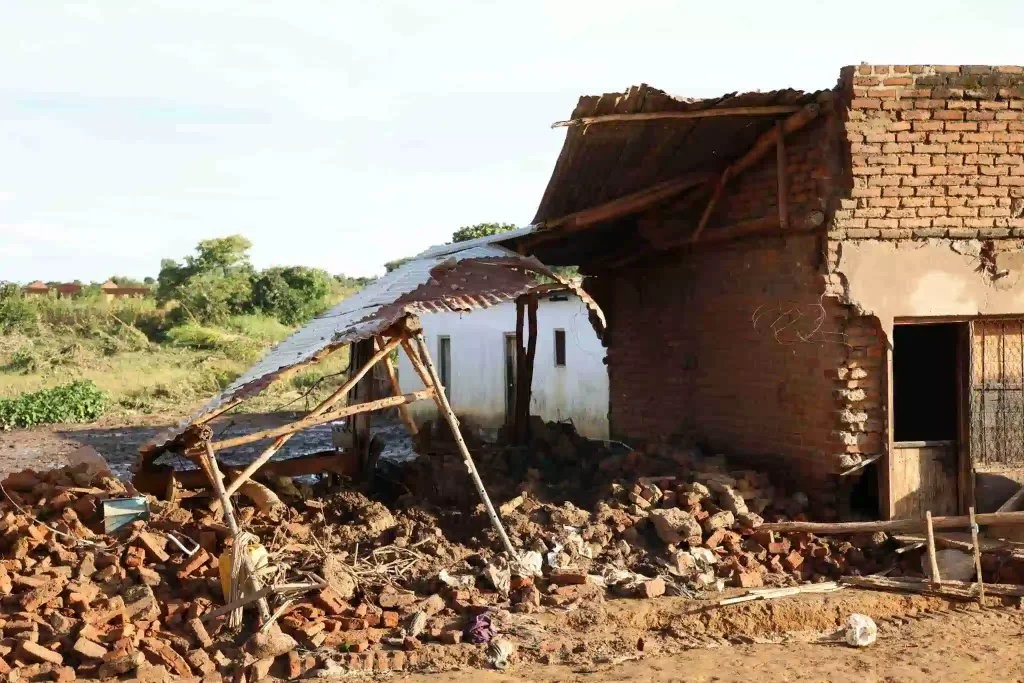
Zomba District recorded the highest number of affected households, with 3 948 households impacted across 15 Traditional Authorities, and five evacuation camps established.
In Phalombe, 1 112 individuals have been displaced and are currently sheltered at Malambwe Evacuation Centre. Blantyre City reported two fatalities caused by collapsing walls during the rainfall event.
Additional impacts were reported across multiple councils. Dedza recorded one death and two injuries, while Neno reported three fatalities. Blantyre District recorded 573 affected households across the Traditional Authorities Chigaru, Kapeni, and Lundu. Zomba City reported 310 affected households, including 30 displaced and 12 injuries, with evacuation centers established at Likangala and Chambo.
In Lilongwe District, 17 households were displaced following mudslides in Traditional Authority Mazengera and sheltered at a Community-Based Care Centre. Karonga reported 34 displaced households with two camps established, while Mulanje recorded 329 affected households, including 73 displaced.
Mwanza reported one injury and road inaccessibility along the route to Thambani, while Chiradzulu recorded 103 affected households across four Traditional Authorities.
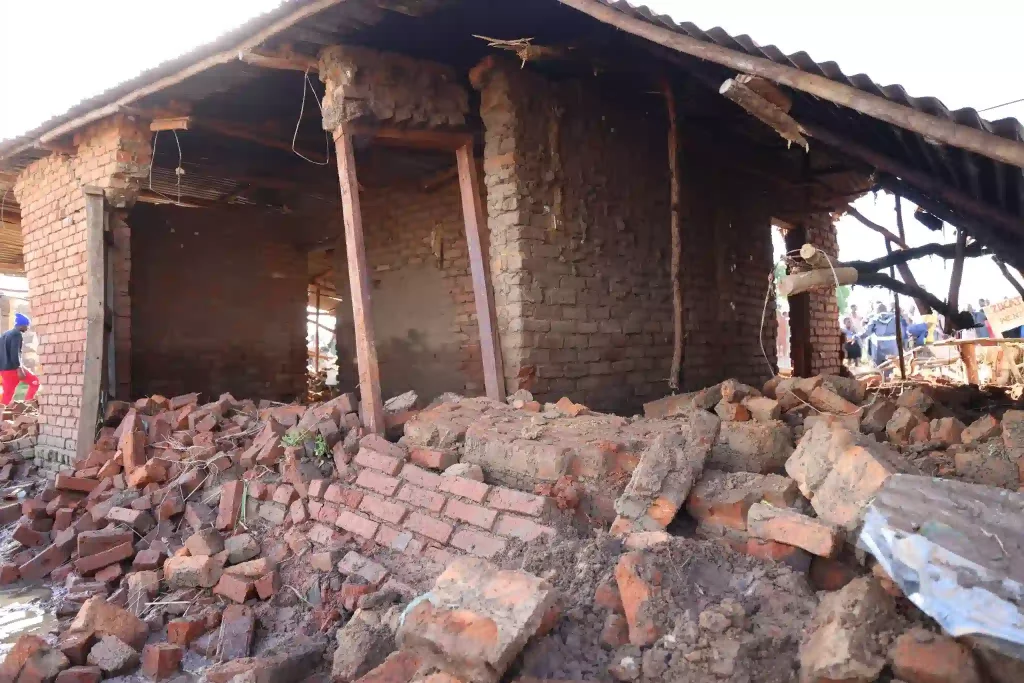
In Mchinji District, flooding has been reported in the Kaigwazanga area, where houses and household property have been damaged. Assessment and rescue teams have been deployed to the affected area to evaluate impacts and provide assistance.
Field observations indicate that river overflow contributed to localized flooding in parts of Mchinji. In M’bandakucha, within the area of Senior Chief Kawere, floodwaters from the Matizi River inundated residential areas, affecting more than 500 households. One affected resident reported that water levels reached waist height at approximately 03:00 LT on March 19, forcing emergency evacuation with children. Losses included agricultural produce and livestock, including tobacco bundles, goats, and poultry, following a rapid water level rise.
Response operations are ongoing, with DoDMA coordinating relief distribution to affected households. Assistance provided includes maize flour, rice, beans, cooking oil, soap, and other essential household items. Authorities have appealed to development partners, non-governmental organizations, and the private sector to support response efforts through the provision of relief supplies, financial resources, technical assistance, and search and rescue capacity.
The department stated that further updates will be issued as more detailed assessments become available and the full extent of the damage is established.

I’m a science journalist and researcher at The Watchers, contributing to the Epicenter edition, where I cover peer-reviewed scientific research and emerging discoveries across Earth and space sciences. With a background in astronomy and a passion for environmental science, I’ve worked in shark and coral conservation in Fiji, conducting reef and shark-behavior research, contributing to mangrove restoration, and earning PADI Open Water and Coral Reef Certifications. I bring a blend of scientific rigor and storytelling to illuminate the discoveries shaping our planet and beyond.

Commenting rules and guidelines
We value the thoughts and opinions of our readers and welcome healthy discussions on our website. In order to maintain a respectful and positive community, we ask that all commenters follow these rules.