
Intense rains and floods claim 17 lives in Bolivia
Intense rains and floods affecting parts of Bolivia over the past couple of days have left at least 17 people dead and nearly 500 homes damaged or destroyed. The worst affected departments are La Paz, Cochabamba, Santa Cruz, Beni, Pando, and Oruro.
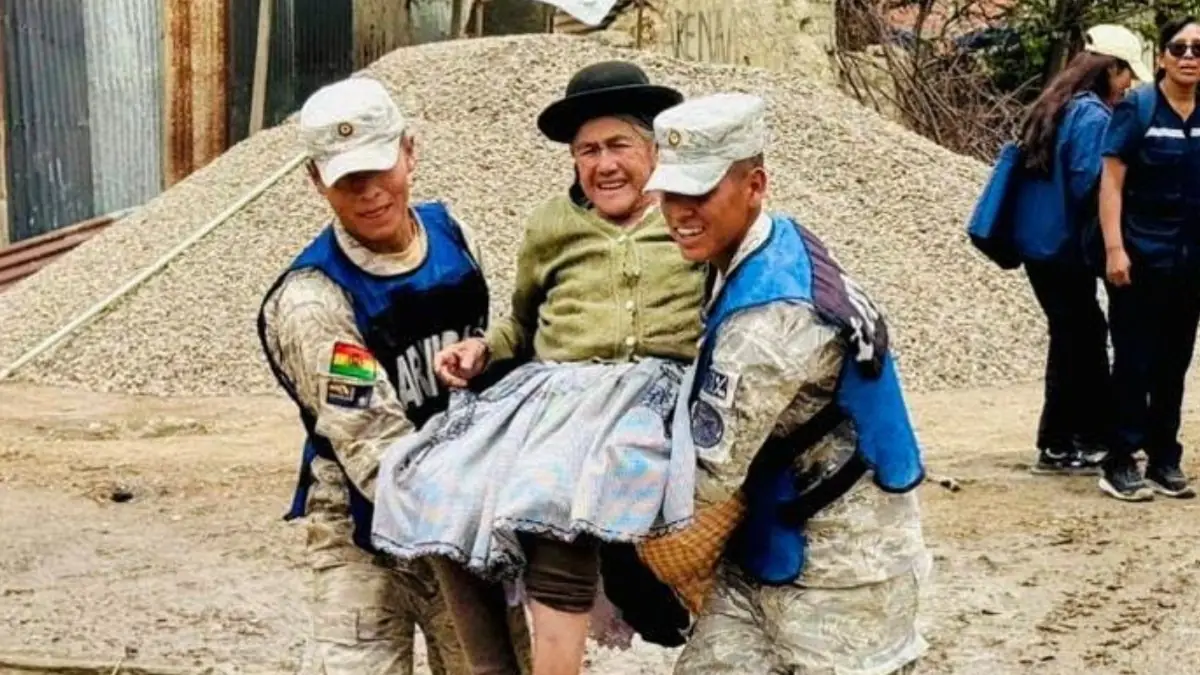
Image credit: MINDEF
Heavy rainfall, strong winds, and thunderstorms since January 6, 2025, have caused catastrophic flooding, overflowing rivers, landslides, and widespread damage across central and northern regions of the country. The affected areas include the departments of La Paz, Cochabamba, Santa Cruz, Beni, Pando, and Oruro, with La Paz being the worst hit.
Over 19 000 families have been impacted across 36 municipalities facing disruptions and displacements. The persistent rainfall has overwhelmed local infrastructure and triggered widespread destruction.
The Bolivian Meteorology and Hydrology Service (SENAMHI) has warned of continued heavy rainfall on January 10 for the next 48 hours with localized areas likely to experience extremely intense downpours. Emergency services remain on high alert and are working to mitigate the crisis while assisting affected communities.
Authorities have mobilized resources to provide aid to affected families and monitor high-risk areas for further hazards in La Paz.
Heavy rains in La Paz on January 9 lasted over 9 hours and resulted in the overflow of rivers and the collapse of several structures. The Huaynajahuira River, flowing through the Achumani neighborhood, exceeded its canal’s capacity and caused flooding along Costanera Avenue.
Juan Pablo Palma, the La Paz municipal secretary for Resilience and Vulnerability Management, noted that collapsed walls and railways were because of insufficient structural conditions. Emergency services responded to 20 cases which received over 40 flood-related calls and recorded 4 traffic accidents.
Landslides were reported in Cochabamba’s Thacoloma, Alto Universitario, and Alto Cochabamba areas on January 8 and it affected over 540 families. Residents criticized the lack of attention from municipal authorities over the years.
Hydrological alerts for river overflows remain active in 282 municipalities with the SENAMHI forecasting continued rain and thunderstorms until January 13.
In the Achumani Basin, water flow increases included a 30 cm (1 feet) rise on 22nd Street and 20 cm (0.6 feet) at the Jurenko Bridge. Sedimentation and overflow were observed in multiple areas.
In Choqueyapu Basin, river flow rose by 20 cm (0.6 feet)and resulted in the loss of 30 m (98 feet) of riverbank protection. Reports from the Irpavi Basin indicated a water level rise of 10 to 15 cm (4 to 6 inches).
Javier Escalier, the Councilor, attributed much of La Paz’s flooding to insufficient preventive measures and included inadequate cleaning of drains and river headwaters. Escalier noted outdated sewage systems in densely populated areas such as Sopocachi and Miraflores with pipes only 10 cm (4 inches) in diameter and contributed to frequent overflows.
In Quime, located in La Paz’s Inquisivi province, the overflow of the Quyuma and Quime rivers has affected approximately 600 families and disrupted electricity and water supply. Local authorities are working to collect data and provide support but urgent assistance is needed.
“We need supplies and provisions for the affected families,” Wilfredo Poma, the municipal representative of Quime said.
The floods destroyed roads and numerous homes in Quime.
Santa Cruz has also faced disruptions including one fatality showing the extensive reach of the storm system. Cochabamba, Beni, Pando, and Oruro continue to grapple with damaged infrastructure and displaced populations as emergency measures are implemented.
Bolivia has faced several weather-related disasters that resulted in at least 16 deaths between November and January. Heavy rains triggered a landslide in La Paz’s Bajo Llojeta area and damaged 40 homes causing the death of a 5-year-old girl. Landslides in Cochabamba in early December buried 2 houses and claimed 4 lives. Other fatalities included individuals swept away by rivers and struck by lightning.
In Cochabamba, on January 7, landslides on the roads to Oruro near Confital prompted caution from the Bolivian Highway Administration (ABC) though the road remains passable. In Oruro, the Paria River overflowed and flooded urban areas.
Heavy rains in Santa Cruz caused flooding in the Plan Tres Mil area and inundated streets and homes. Alerts remain active in Beni and Pando as the water level rises in The Acre River in Pando.
Chuquisaca’s capital, Sucre, recorded its highest rainfall accumulation in nearly 2 decades on January 6 and affected over 30 communities in District 7.
In Potosi, the Cotagaita municipality suffered extensive flooding and destroyed large areas of fruit and vegetable crops as 2 rivers — the Cotagaita River and the San Juan del Oro River, overflowed.
References:
1 Bolivia – Severe weather – ReliefWeb – January 10, 2025
2 Bolivia – Severe weather – ECHO – January 10, 2025
3 La Paz: At least 600 families were affected by the floods in Quime – Opinion 40 – January 11, 2025
4 Rains threaten nine regions; Bajo Llojeta in La Paz is the most affected – Los Tiempos – January 10, 2025
5 Flooding in La Paz is due to poor prevention and clean-up work – El Pueblo – January 9, 2025
6 Heavy rain in La Paz caused walls to fall, siphons to flow and rivers to overflow in the city – infobae – January 8, 2024

Rishika holds a Master’s in International Studies from Stella Maris College, Chennai, India, where she earned a gold medal, and an MCA from the University of Mysore, Karnataka, India. Previously, she served as a Research Assistant at the National Institute of Advanced Studies, Indian Institute of Science, Bengaluru, India. During her tenure, she contributed as a Junior Writer for Europe Monitor on the Global Politics website and as an Assistant Editor for The World This Week. Her work has also been published in The Hindu newspaper, showing her expertise in global affairs. Rishika is also a recipient of the Women Empowerment Award at the district level in Haryana, India, in 2022.

Commenting rules and guidelines
We value the thoughts and opinions of our readers and welcome healthy discussions on our website. In order to maintain a respectful and positive community, we ask that all commenters follow these rules.