
Strong explosions at Pacaya volcano producing thick ash columns, Guatemala
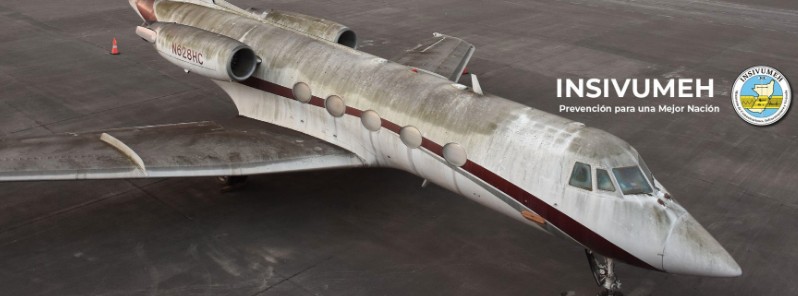
Image credit: INSIVUMEH
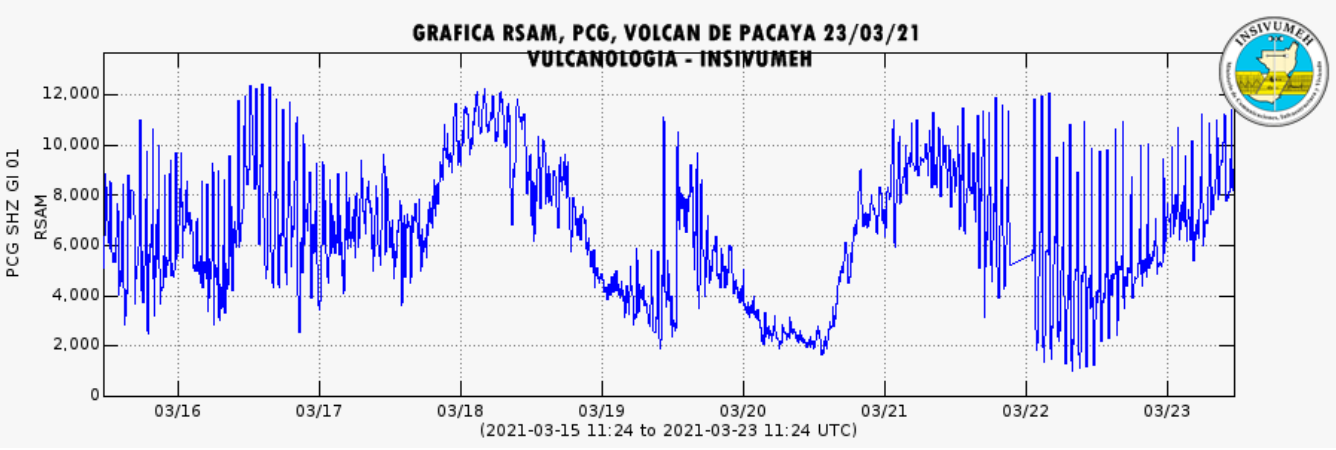
Increased eruptive activity continues at the Guatemalan Pacaya volcano, with strong ash emissions and lava flows.
Moderate to strong explosions continue at the volcano, generating thick ash columns up to 4 km (13 120 feet) above sea level, moving N, NE, and NW to a distance of approximately 50 km (31 miles) on March 23, 2021.
Lava flows are 1 500 km (4 920 feet) long on the southwest flank and 500 m (1 640 feet) on the eastern flank.
Lluvias con actividad eléctrica en el Volcán #Pacaya, este aun se encuentra emitiendo columna de Ceniza y desgasificación en dirección Sur y Suroeste
Insivumeh Prevención para una Mejor Nación#SomosINSIVUMEH #Guatemala
Video: Marvin Tello
Observador de Insivumeh pic.twitter.com/XJKKMugleQ— INSIVUMEH Guatemala (@insivumehgt) March 21, 2021
Ashfall was reported in the villages of El Pepinal, San Francisco de Sales, Los Pocitos, Los Dolores, Mesillas Altas, Mesillas Bajas, Santa Elena Barillas, Villa Nueva and the capital city.
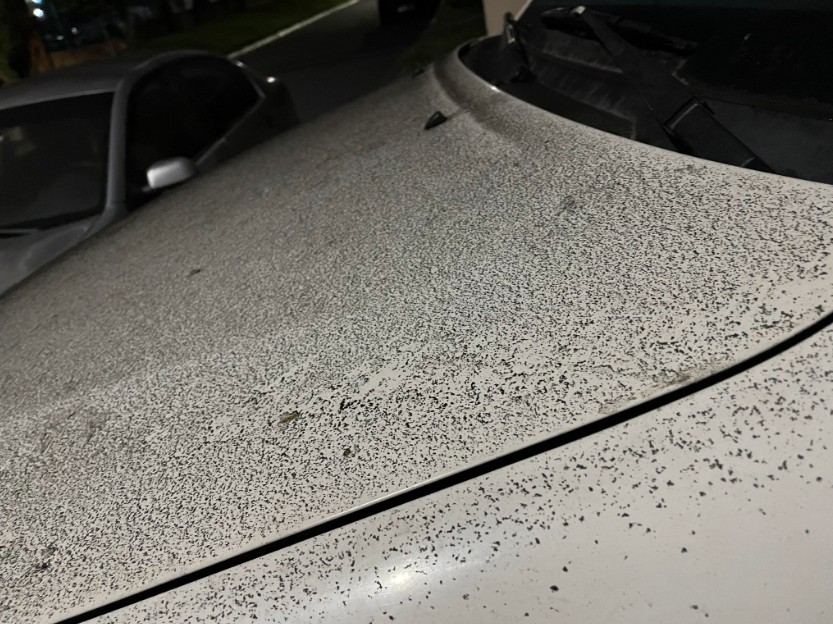
Image credit: INSIVUMEH
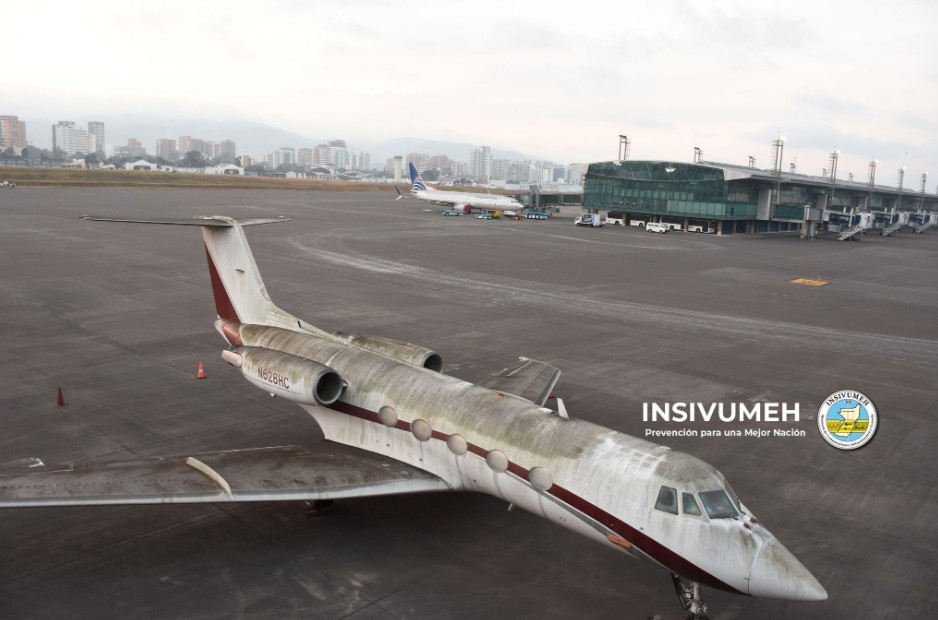
Image credit: INSIVUMEH. Acquired March 21, 2021
Credit: INSIVUMEH

Fotos del Volcan de Pacaya el 21 de marzo de 2021
Está bravo hoy. Vista desde el Aeropuerto Internacional La Aurora. pic.twitter.com/EfrWTYXfWF— JuanMa Galvez (@JuanMa_Galvez) March 21, 2021
En las comunidades San Vicente El Cedro, San Francisco de Sales, en el Volcán Pacaya, cayó arena y piedras; por lo que Bomberos Voluntarios 60 Cía. Palín Escuintla acudieron a evaluar el área y dar recomendaciones a los pobladores. pic.twitter.com/zLvDbTLEZd
— Bomberos Voluntarios (@BVoluntariosGT) March 23, 2021
Caída de ceniza de volcán #Pacaya en varios sectores al sur de la ciudad capital, Villa Canales, Amatitlán y San Miguel Petapa. pic.twitter.com/hpxqhmJmjL
— Radio SONORA 96.9 FM (@sonora969) March 23, 2021
Volcán de #Pacaya esta mañana visto del aeropuerto La Aurora en #Guatemala. #cytv pic.twitter.com/rX9h2xIDKb
— climaya (@climaya) March 22, 2021
#MFT | NOTICIAS – el volcán de #Pacaya en su tercer día consecutivo de actividad efusiva, lanzando grandes columnas de material. Foto: David Sanchinelli @myfabo @Factor4_GT @WilliPoroj_gt pic.twitter.com/vGi0sWSmvT
— Alberto Cardona (@betocardonam) March 22, 2021
Geological summary
Eruptions from Pacaya, one of Guatemala's most active volcanoes, are frequently visible from Guatemala City, the nation's capital.
This complex basaltic volcano was constructed just outside the southern topographic rim of the 14 x 16 km (8.7 x 9.9 miles) Pleistocene Amatitlán caldera. A cluster of dacitic lava domes occupies the southern caldera floor.
The post-caldera Pacaya massif includes the ancestral Pacaya Viejo and Cerro Grande stratovolcanoes and the currently active Mackenney stratovolcano.
The collapse of Pacaya Viejo between 600 and 1 500 years ago produced a debris-avalanche deposit that extends 25 km (15 miles) onto the Pacific coastal plain and left an arcuate somma rim inside which the modern Pacaya volcano (Mackenney cone) grew.
A subsidiary crater, Cerro Chino, was constructed on the NW somma rim and was last active in the 19th century.
During the past several decades, activity has consisted of frequent strombolian eruptions with intermittent lava flow extrusion that has partially filled in the caldera moat and armored the flanks of Mackenney cone, punctuated by occasional larger explosive eruptions that partially destroy the summit of the growing young stratovolcano. (GVP)

I'm a dedicated researcher, journalist, and editor at The Watchers. With over 20 years of experience in the media industry, I specialize in hard science news, focusing on extreme weather, seismic and volcanic activity, space weather, and astronomy, including near-Earth objects and planetary defense strategies. You can reach me at teo /at/ watchers.news.

Commenting rules and guidelines
We value the thoughts and opinions of our readers and welcome healthy discussions on our website. In order to maintain a respectful and positive community, we ask that all commenters follow these rules.