
Air still leaking from ISS after failed attempt to seal the crack
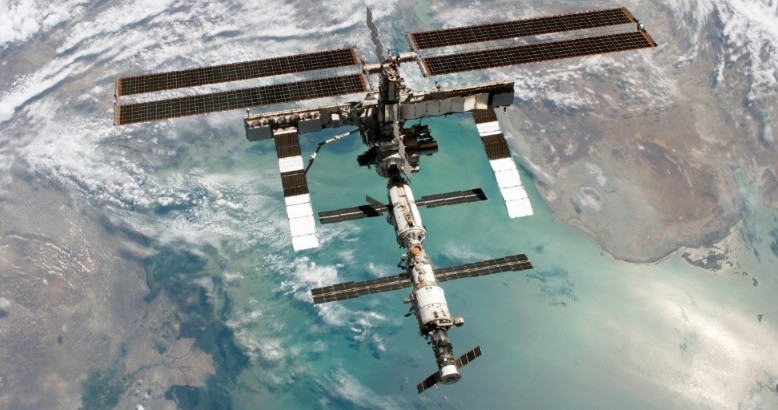
Image credit: NASA
Pressure continues to decline at the International Space Station after a failed attempt to fix the air leak using adhesive tape. The leak is located the working compartment of Zvezda Service Module and was described by Roscosmos as 'more than standard.' The leak was first detected in September 2019 and by August 2020 it increased five-fold.
Last week, the Moscow Mission Control Center instructed Russian cosmonaut Ivan Vagner to use as much adhesive tape as possible in Zvezda's intermediate chamber, where the air leak is expected to be located. But his attempt to seal it was not successful.
On Friday, October 9, Vagner informed specialists at the Center that the pressure in the compartment had declined by 17 mm Hg down to 715 mm Hg.
The leak was first detected in September 2019 and by August 2020 it increased five-fold — from 270 grams to 1.4 kilograms (9.5 ounces to 3 pounds) of air per day.
Two weeks ago, Sergei Krikalyov, the executive director of Russia's manned space programs, said that what's happening now is more than standard leakage, adding that it will require supplies of extra air to the station if it lasts a long time.
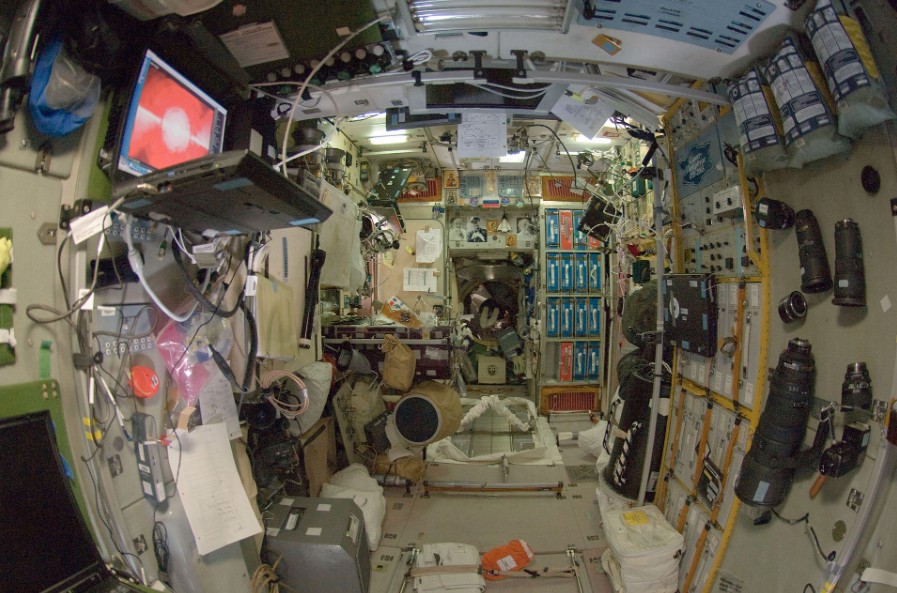
An overall interior view of the Zvezda Service Module photographed by an Expedition 17 crewmember on the International Space Station. Credit: NASA

Image credit: NASA
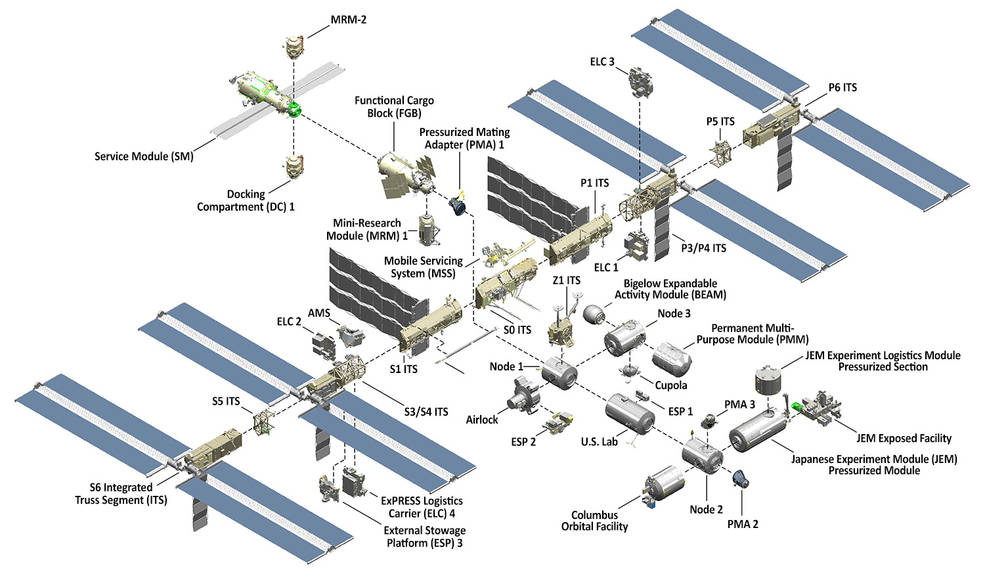
Image credit: NASA

Teo Blašković founded The Watchers in 2011 and edited it until 2026, covering seismic and volcanic activity, extreme weather, space weather and near-Earth objects. Articles on this page are his archive.
Published in the last 24 hours
- CPC posts a slight risk of heavy rain from the Gulf Coast to the Northeast urban corridor November 25-29, and a moderate risk of West Coast wind and Sierra snow on November 25
- Florida's east coast faces a moderate flash flood risk Wednesday through Friday, with 4 to 8 inches of rain forecast and the St. Johns River near Cocoa already in major flood at 17.13 feet
- Cyclone Akvan to make landfall between Nellore and Visakhapatnam around noon on November 20, IMD forecasts 120-130 km/h winds gusting to 145
- Radio pulses every 7.9 minutes reveal binary with white dwarf and Sun-like star Epicenter
