Small explosion at Kanaga volcano, Aviation Color Code raised to Yellow, Alaska
A small explosion was detected at Kanaga Volcano, Alaska at 07:31 UTC on December 19, 2023.

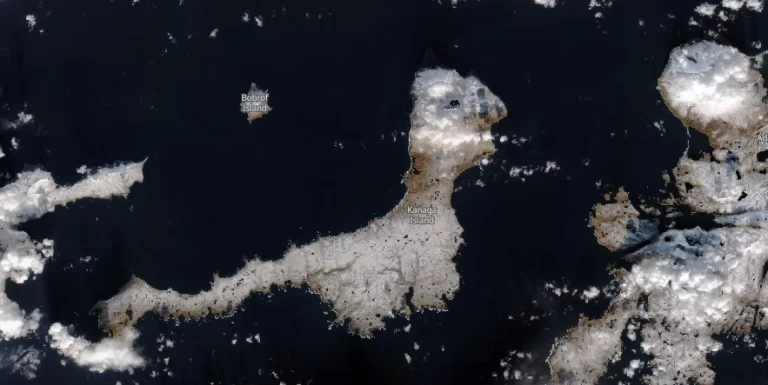
A small explosion was detected at Kanaga Volcano, Alaska at 07:31 UTC on December 19, 2023.
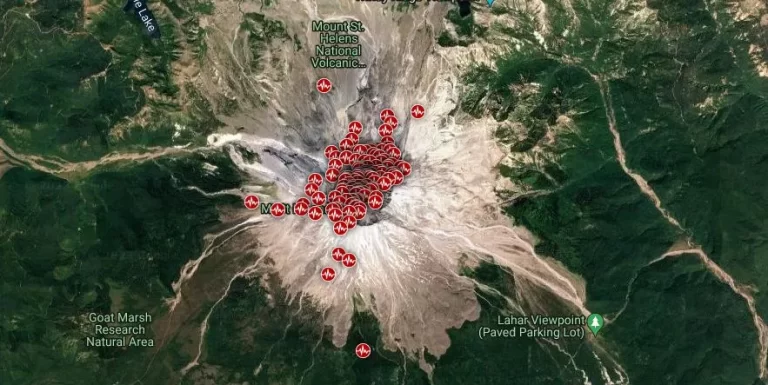
Elevated seismic activity has been observed at Mount St. Helens in the United States since 2008 when the last eruption ended. No significant changes have been observed in other monitoring parameters and there are no signs of an imminent eruption.
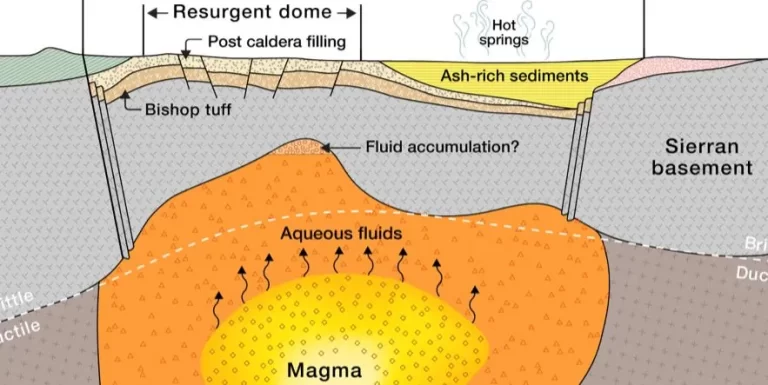
A recent geophysical study on California’s Long Valley Caldera has unveiled the mechanisms behind its seismic activity and uplift. The research, published in Science Advances, utilized distributed acoustic sensing and machine-learning algorithms to reach its conclusions.
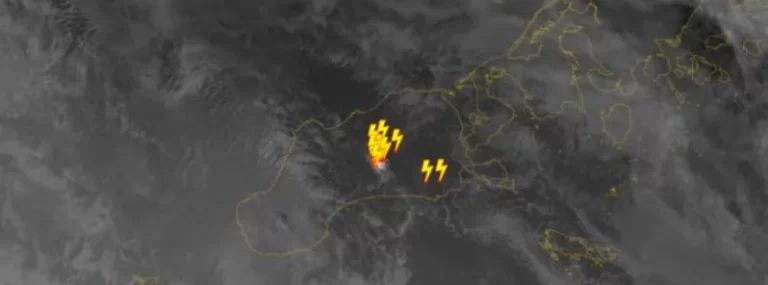
An ash cloud from Alaska’s Shishaldin Volcano soared above 6 km (20 000 feet) above sea level at 13:24 UTC and up to 13.7 km (45 000 feet) by 14:18 UTC on September 25, 2023. The eruption, monitored through an array of sensors and satellite data, led authorities to elevate the Aviation Color Code to Red and the Volcano Alert Level to Warning.
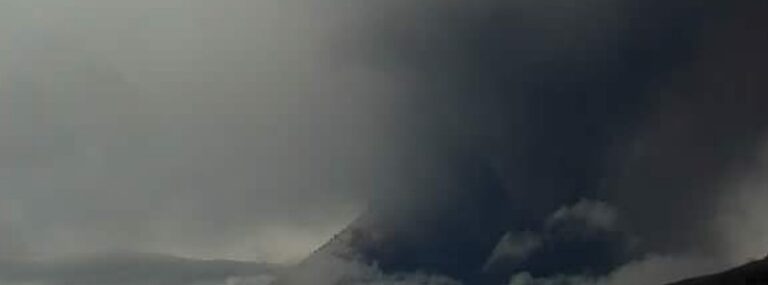
On September 15, 2023, around 01:10 UTC, an explosive eruption from Shishaldin Volcano sent an ash-rich cloud soaring to an altitude of 12.8 km (42 000 feet), accompanied by volcanic lightning. The eruption followed a several-hour increase in seismicity. The Aviation Color Code and Volcano Alert Level were raised to RED/WARNING.
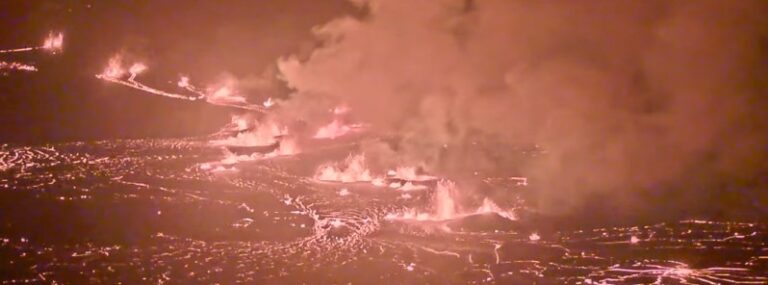
At 01:15 UTC on September 11, 2023 (15:15 HST, September 10), the USGS Hawaiian Volcano Observatory (HVO) identified new eruptive activity at Kīlauea’s summit within Hawai‘i Volcanoes National Park, based on webcam images and field reports. The eruption was preceded by intense seismic activity and rapid uplift at the summit.
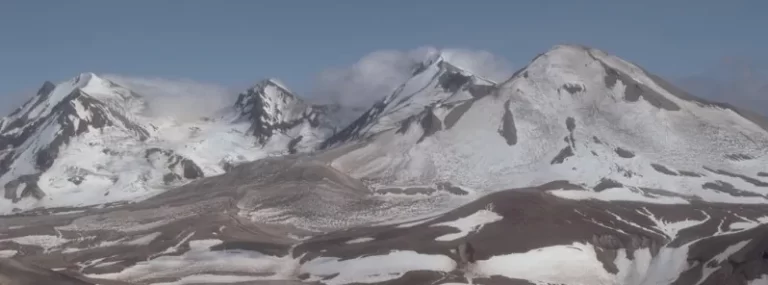
Alaska’s Trident volcano has seen a significant increase in seismic activity and ground uplift over the past five months, leading to concerns about a potential volcanic eruption. The Alaska Volcano Observatory (AVO) has confirmed that this unrest is the result of magma intrusion beneath the volcano. The rising magma, which can trigger an eruption, has also caused increased seismic activity in the neighboring volcanoes of the Katmai volcanic cluster, including Katmai, Martin, Mageik, and the Novarupta vent.

Volcanic activity at Shishaldin volcano in Alaska, U.S. further increased on July 18, 2023, with increased lava flow and large ash emission. As a result, the Aviation Color Code was raised to Red.

The eruption of Shishaldin Volcano has intensified, the Alaska Volcano Observatory (AVO) announced at 05:52 UTC on July 16, 2023, and raised the Aviation Color Code to Orange. At 07:57 UTC, the Aviation Color Code was raised to Red and the Volcano Alert Level to WARNING.

A significant explosion occurred at Shishaldin Volcano in Alaska, U.S. at 09:09 UTC on July 14, 2023. The Aviation Color Code remains at Orange.
