New volcanic eruption begins on Reykjanes Peninsula, Iceland
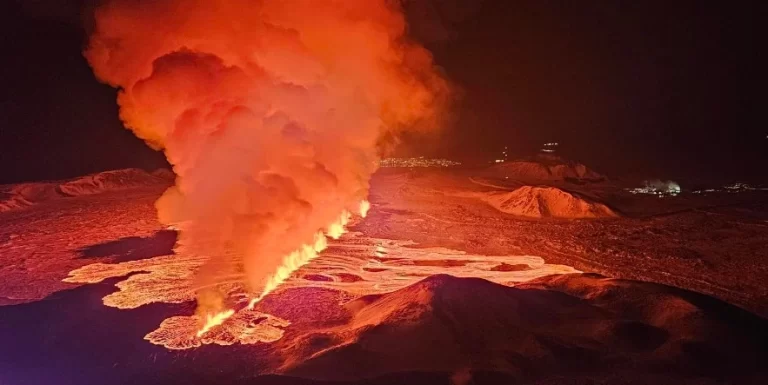
After more than a month of magma buildup, a new eruption began in Reykjanes Peninsula, between Hagafell and Stóra-Skógfell, at 20:23 UTC on March 16, 2024.

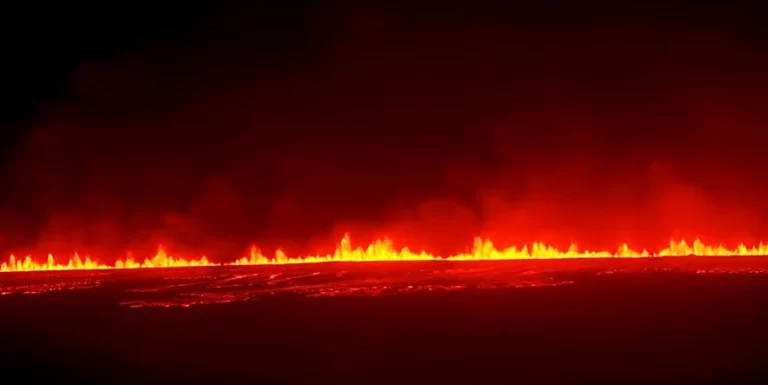
After more than a month of magma buildup, a new eruption began in Reykjanes Peninsula, between Hagafell and Stóra-Skógfell, at 20:23 UTC on March 16, 2024.
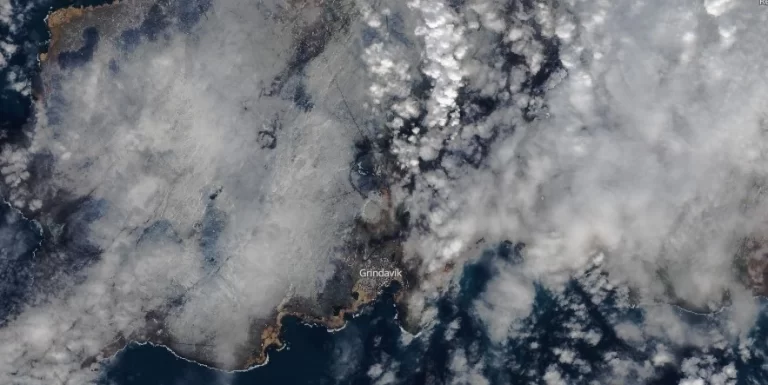
Unfavorable weather conditions have disrupted the earthquake monitoring system on Reykjanes Peninsula by dampening small events, resulting in a lower number of detected earthquakes since Saturday, March 2, 2024. Nevertheless, the volume of magma beneath Svartsengi continues to increase, which could result in a new dike intrusion and possibly an eruption with very short notice.
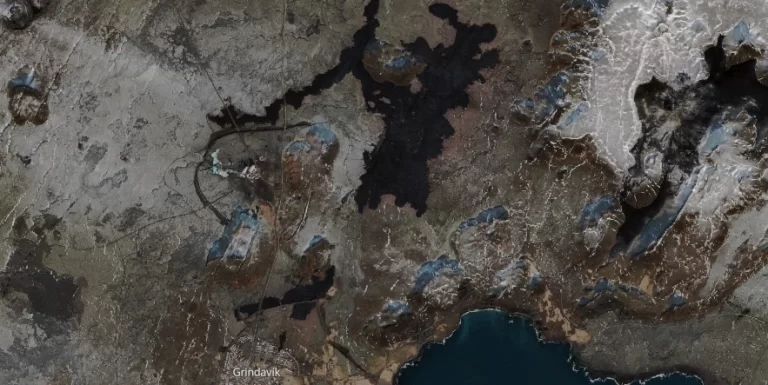
Magma volume beneath Svartsengi, Reykjanes Peninsula, Iceland continues to increase, which could result in a new dike propagation and/or volcanic eruption in the coming days, the Icelandic Met Office (IMO) reported at 14:00 UTC on March 5, 2024. Weather conditions over the next few days could affect IMO’s monitoring system.
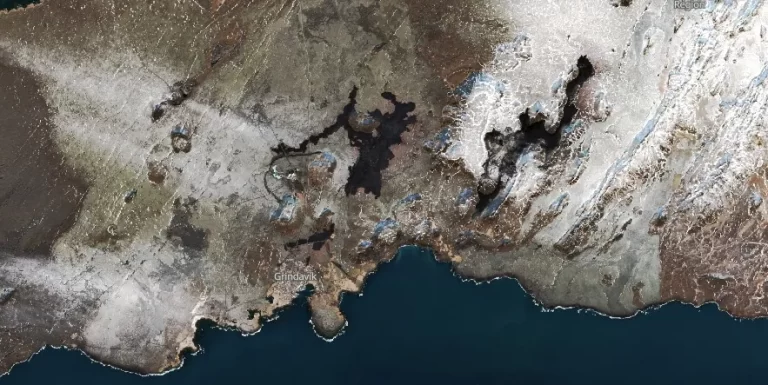
Iceland evacuated its world-famous Blue Lagoon and the nearby town of Grindavík in Reykjanes Peninsula on Saturday, March 2, 2024, due to an intense seismic swarm indicating a new fissure eruption could start any moment.
Volcanic eruption near Grindavik, Reykjanes Peninsula, Iceland resumed early Thursday, February 8, 2024.
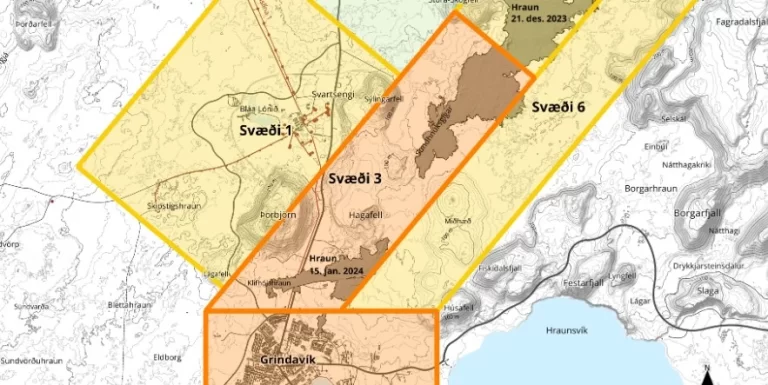
In recent days, Svartsengi, Iceland, has experienced accelerated land rise, reaching up to 8 mm (0.3 inches) daily, attributed to magma accumulation under the area. While seismic activity remains mild, the risk assessment for Grindavík has been downgraded to orange, with a continued high risk for crack collapse.
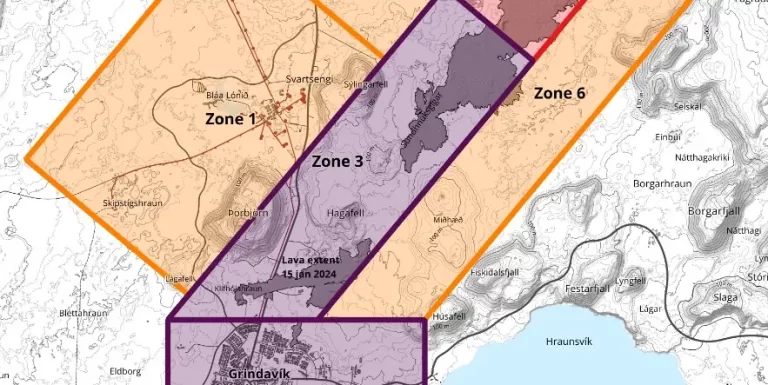
Recent volcanic activity in the Svartsengi area has led to continuous land uplift, although the exact rate is still being determined through GNSS measurements. Around 200 earthquakes, the largest measuring M1.4, have been recorded near the magma conduit since yesterday. Despite a reduction in earthquake frequency, significant risks, including ground collapse, remain for the nearby Grindavík area.
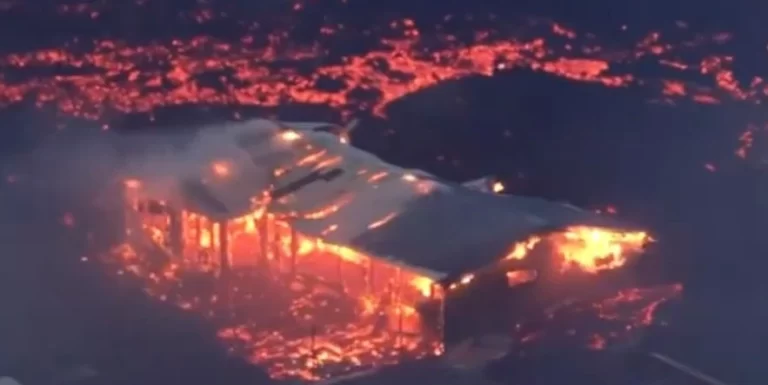
A day after a new volcanic eruption started near the evacuated city of Grindavik, Iceland, authorities are reporting a reduced flow of lava. While it’s unclear how long the eruption will last, they warn new cracks may be appearing on the surface within the city in the next few days.
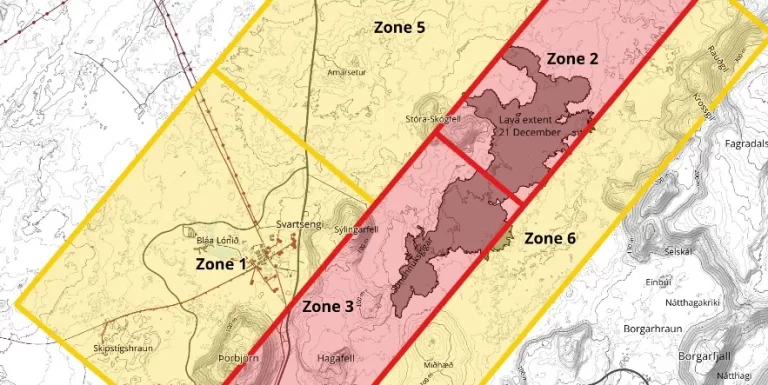
The Icelandic Meteorological Office (IMO) warns of an increased risk of eruption in the Reykjanes area, following their analysis on January 9, 2024, which reveals magma accumulation beneath Svartsengi similar to levels prior to the December 18 eruption.
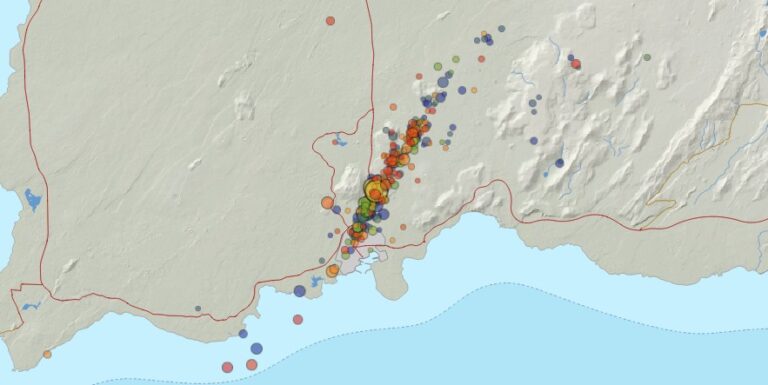
Although the rate of inflation at Svartsengi has decreased somewhat since Friday, December 8, 2023, it’s still greater than it was prior to the formation of the dike that traveled under Grindavík on November 10.
