• Iceland deploys water cannons to fight lava, Reykjanes Peninsula

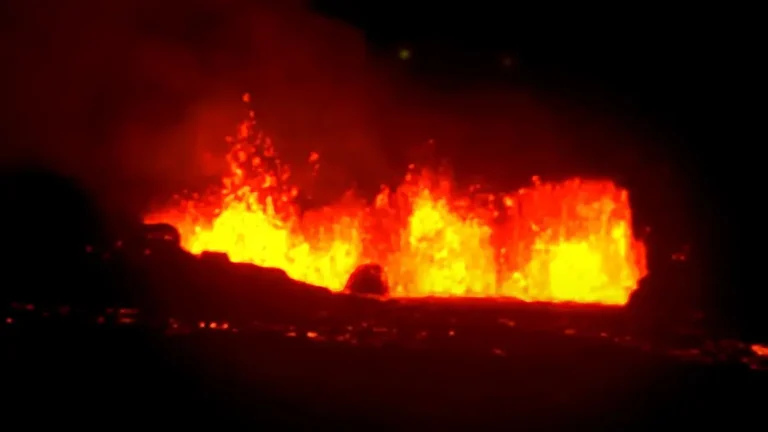
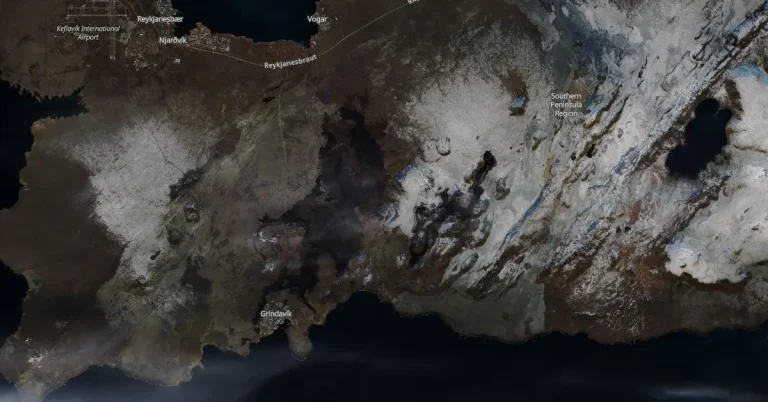
    Authorities in Iceland have deployed at least 12 water cannons on the L3 defense wall to cool a 360 m (X feet) large section of lava and protect critical infrastructure, including the Svartsengi geothermal facility and the Njarðvíkuraeð hot water pipeline, which is important for the Suðurnesj region. Initial testing on one pump was successful, and the operation will begin with six eastern cannons, followed by the remaining units. The cooling process is expected to take several days.

  • Magma accumulation under Svartsengi signals new volcanic eruption, Iceland

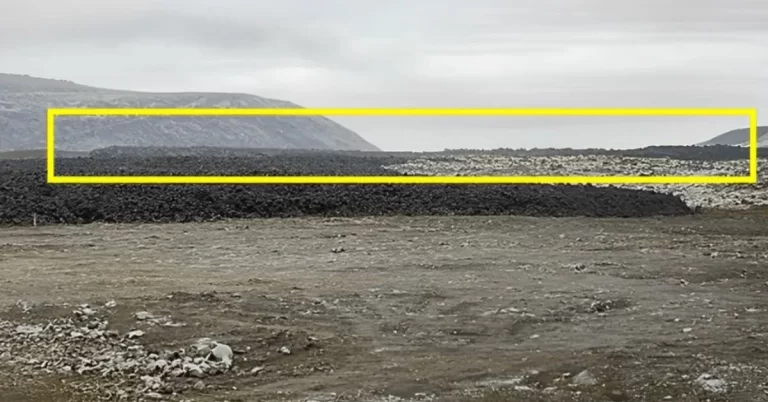
    The Svartsengi volcanic system in southwest Iceland is showing increased volcanic activity due to magma accumulation beneath the surface. Magma is moving into shallow chambers, causing ground uplift and seismic activity. In recent days, seismic activity has slightly increased, with around five minor daily earthquakes along the dike, the most prominent being M1.5, indicating growing pressure. 

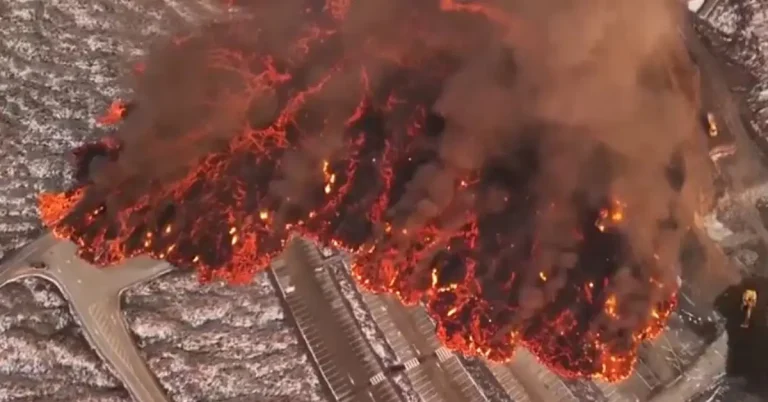
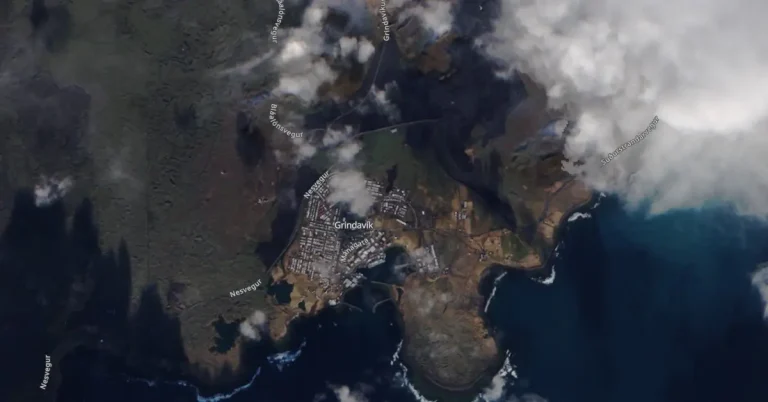
  • Continuous lava flow threatens Grindavík barriers, Iceland

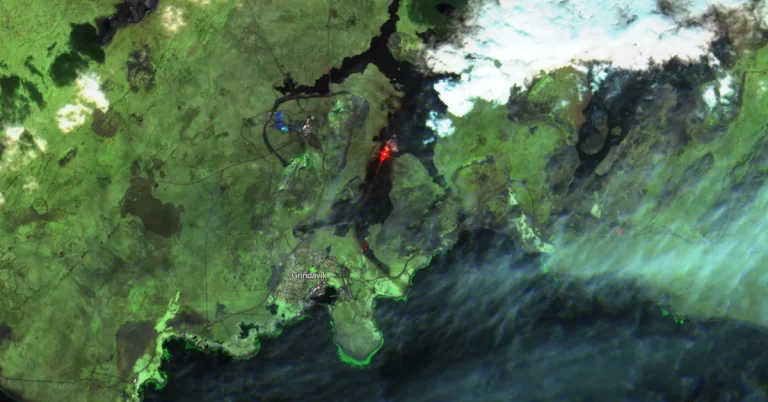
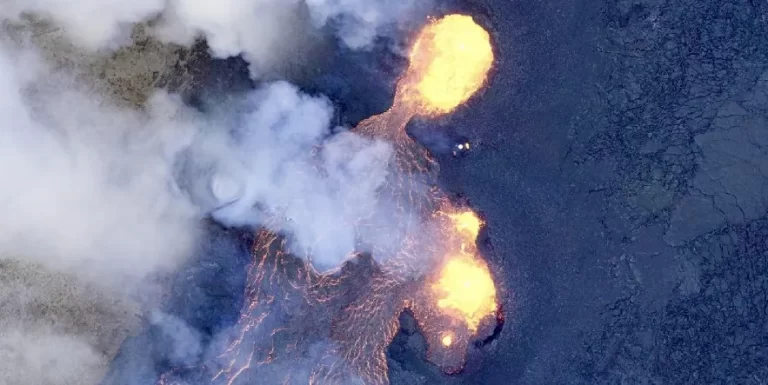
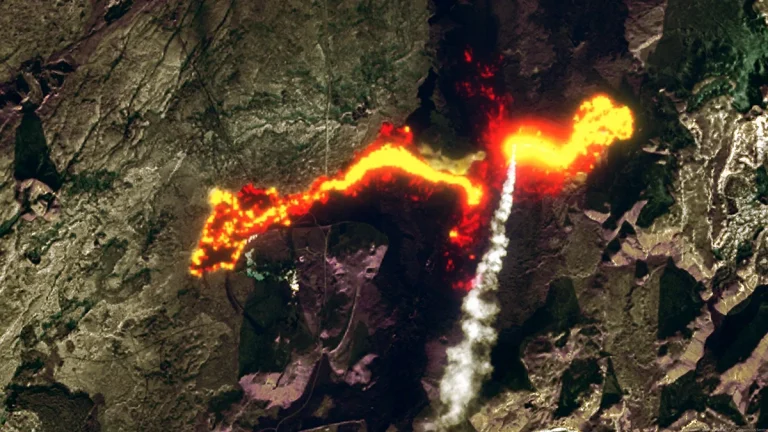
    The ongoing eruption on Iceland’s Reykjanes Peninsula, starting March 16, 2024, continues to pose a threat as lava from the Sundhnúkur crater row thickens near Grindavík. Extrusion rates have remained consistent at 3 – 4 m3/s (106 – 141 ft3/s), with new data anticipated to further assess the situation.

  • High levels of sulfur dioxide emissions in Reykjanes Peninsula, Iceland

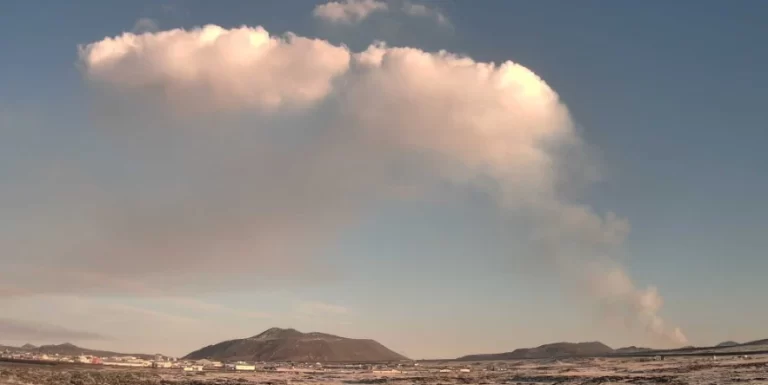
    The eruption that began in Reykjanes Peninsula on March 16, 2024, continues at stable levels. However, the Icelandic Met Office (IMO) has been detecting very unhealthy levels of sulfur dioxide pollution over the past couple of days. Residents are urged to follow instructions provided by the Environment Agency of Iceland and the Office of the National Medical Examiner.

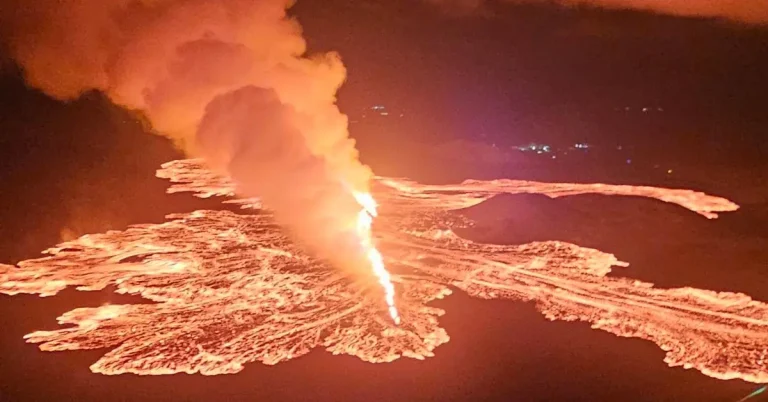
  • Fairly constant rate of eruption at Reykjanes, Iceland

    A fissure eruption that started on Reykjanes Peninsula, Iceland on March 16, 2024, continues at a fairly constant rate, with an average lava flow from the craters of about 14.5 m3 per second (512 feet3/s) from March 17 to 20. About 700 people at the Blue Lagoon spa and several in the town of Grindavík were evacuated within a 30-minute period after the start of the eruption.