• G2 – Moderate geomagnetic storm watch in effect for April 17 and 18

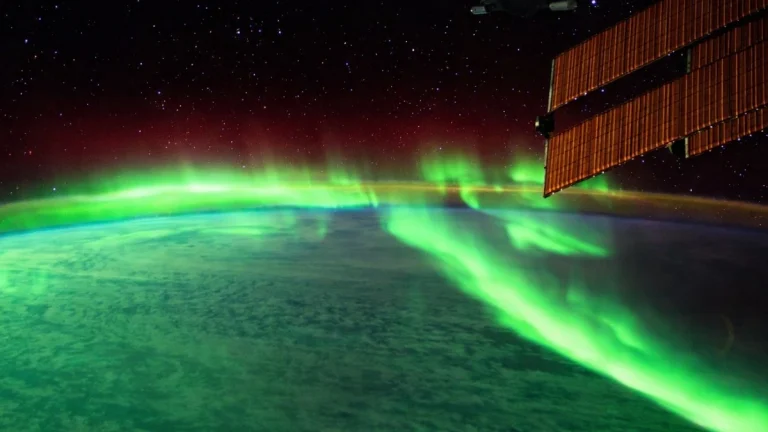
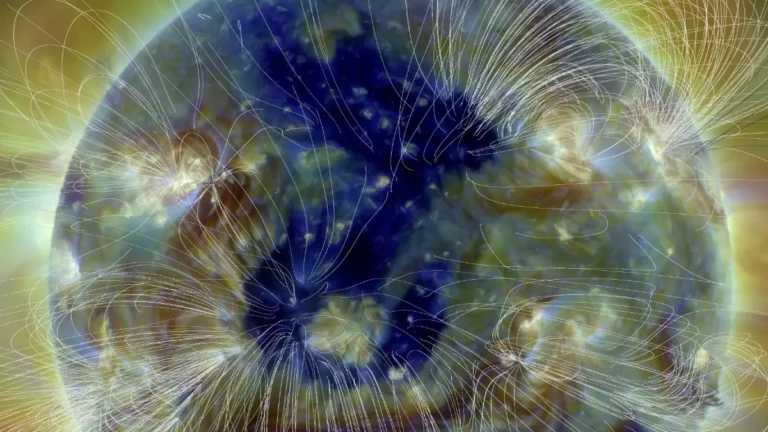
    A G2 – Moderate geomagnetic storm watch is in effect for April 17 and 18, 2026, due to an incoming coronal hole high-speed stream expected to enhance solar wind conditions by late April 17. The event could cause minor operational impacts on high-latitude power systems, satellites, and HF radio communications, while increasing the chance of aurora sightings across northern U.S. states.

  • Impulsive M7.5 solar flare erupts from Earth-facing Region 4409, geomagnetic conditions remain elevated

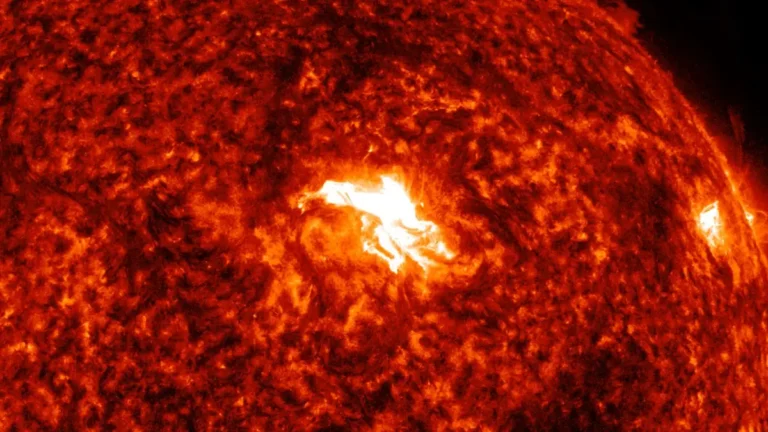
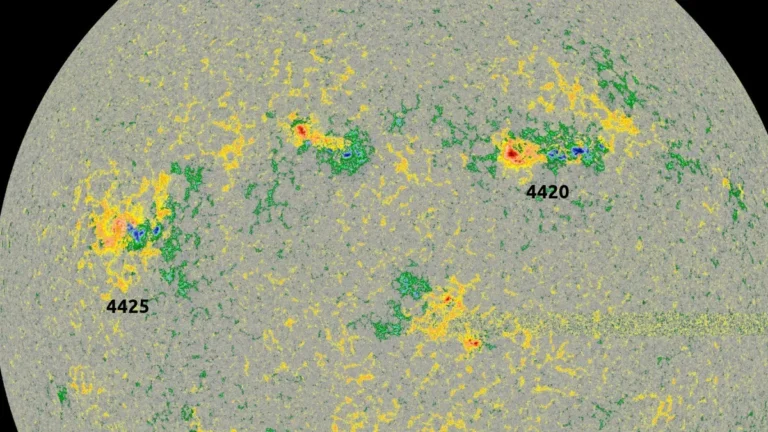
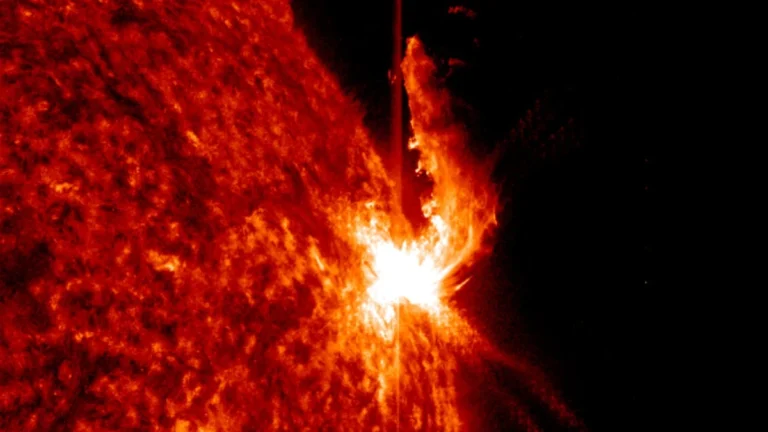
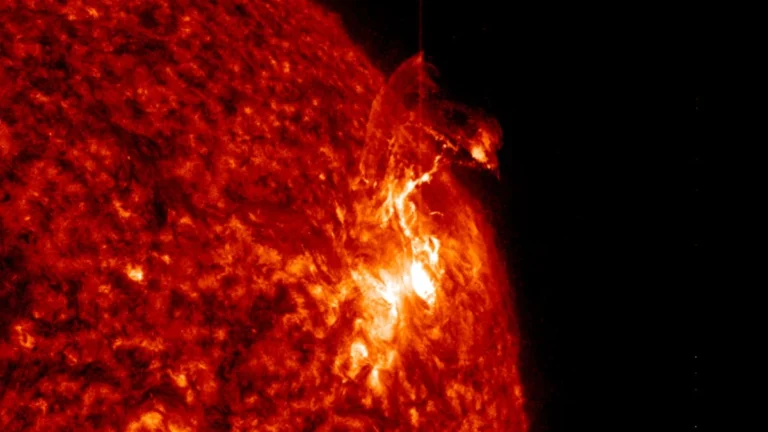
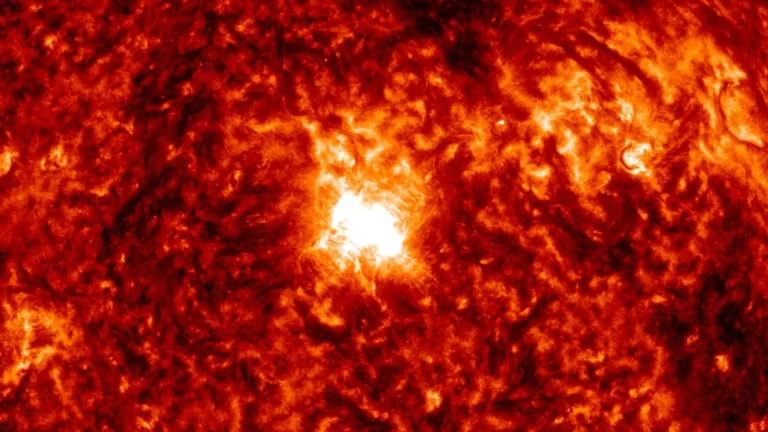
    A strong solar flare measuring M7.5 erupted from Active Region 4409 at 01:17 UTC on April 4, 2026. The event started at 01:07 and ended at 01:23 UTC. No radio signatures indicating a coronal mass ejection (CME) were detected, despite the region’s position near the center of the solar disk, where any CME produced would likely be Earth-directed. Forecast conditions indicate solar activity will likely remain at moderate levels through April 6, with a slight chance of X-class flares, while geomagnetic conditions are expected to reach G1 – Minor to G2 – Moderate storm levels on April 4 under the combined influence of the April 1 CME and a negative polarity coronal hole high-speed stream.

  • Asymmetric halo CME following April 1 filament eruption forecast to deliver a glancing blow on April 4

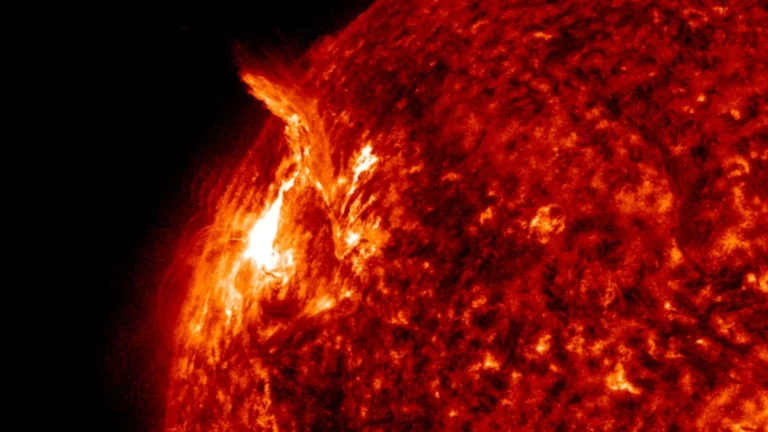
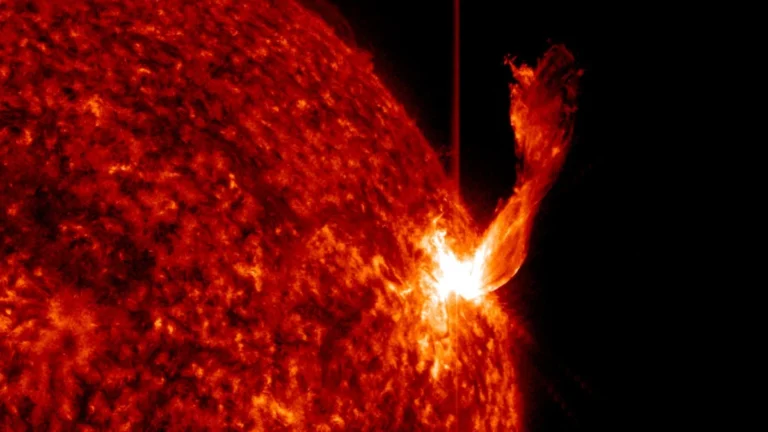
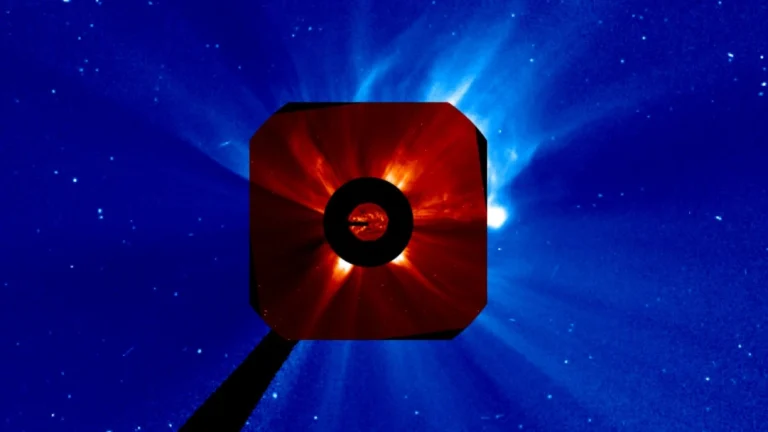
    A filament eruption associated with a C6.1 solar flare from Active Region 4403 at 23:28 UTC on April 1, 2026, produced an asymmetric halo coronal mass ejection. Initial modeling indicates the bulk of the ejecta is directed north of Earth’s orbit, with a possible glancing impact early on April 4 that could trigger minor to moderate geomagnetic storming. Current geomagnetic conditions remain influenced by a combined coronal hole high-speed stream and prior CME activity.

  • Geomagnetic storm reaches G3 levels after March 18 CME impacts Earth

    A G3 – Strong geomagnetic storm developed late on March 20 into early March 21, 2026, after a coronal mass ejection that left the Sun on March 18 impacted Earth. The storm intensified after at least two CME arrivals, with solar wind speeds reaching 567 km/s and the interplanetary magnetic field turning strongly southward to −28 nT.

  • G1 – Minor geomagnetic storm underway, NOAA forecasts possible G2 conditions

    A G1 – Minor geomagnetic storm is in progress on February 22, 2026, with Kp index values reaching 5 since 03:00 UTC, according to the NOAA Space Weather Prediction Center (SWPC). At 08:00 UTC, the agency issued a G2 – Moderate warning valid through 15:00 UTC, forecasting a possible rise to Kp 6 later in the day as solar-wind conditions remain elevated.

  • G2 – Moderate geomagnetic storm in progress, auroras possible from New York to Washington state

    A positive polarity coronal hole high speed stream currently interacting with Earth’s magnetic field produced a G2 – Moderate geomagnetic storm, with the K-index peaking at 6 at 20:00 UTC on February 16, 2026. The storm may generate visible aurora across northern U.S. latitudes and cause minor operational effects in satellite and power systems.