• Enhanced Risk of severe thunderstorms issued for eastern South Dakota, southwest Minnesota, and northwest Iowa

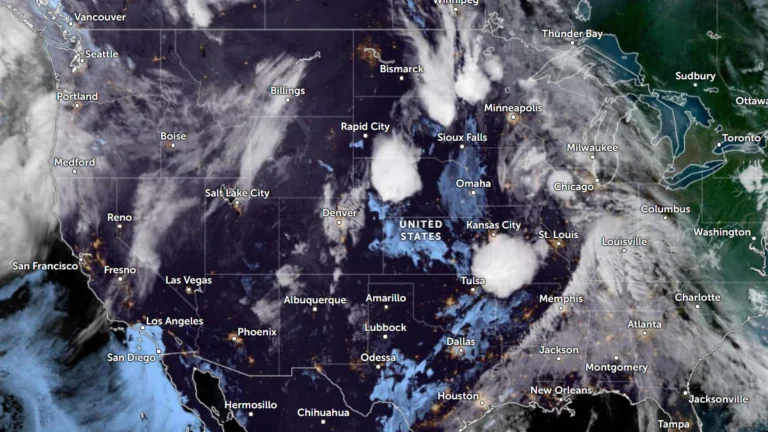
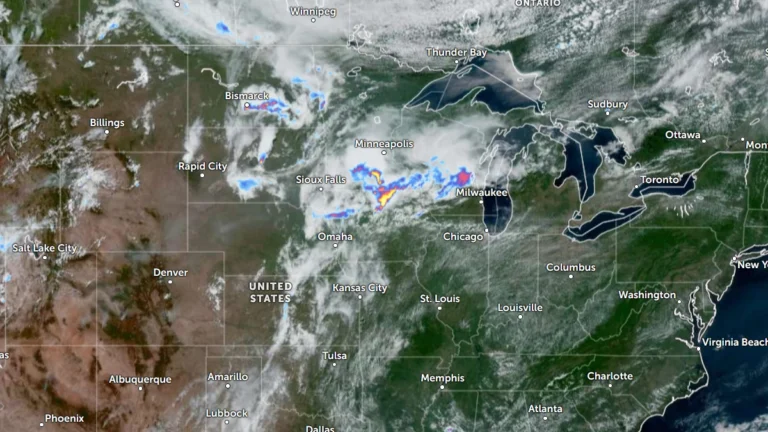
    The Storm Prediction Center (SPC) has placed parts of eastern South Dakota, southwest Minnesota and northwest Iowa under an Enhanced Risk of severe thunderstorms through Thursday, July 2, 2026. A broader Slight Risk extends from the Dakotas into the western Great Lakes and includes western Kansas, the Tennessee Valley and the southern Appalachians. Damaging wind gusts and large hail are expected to be the primary severe weather hazards across the affected regions.

  • Preliminary 211 km/h (131 mph) gust in South Dakota among the strongest thunderstorm winds in U.S.

    A wind gust of 211 km/h (131 mph) measured near Holabird, South Dakota, during severe thunderstorms on June 29, 2026, would rank as the 15th-strongest thunderstorm wind gust ever recorded in the United States if confirmed. The storms damaged grain bins, metal buildings, trees and other infrastructure across several counties with straight-line winds extending from south-southwest of Andover into the town.

  • Extreme heat alerts cover portions of 31 U.S. states, heat index up to 46°C (115°F)

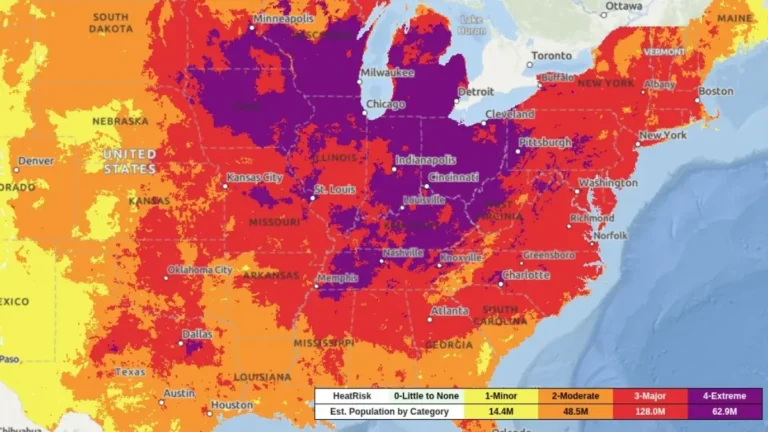
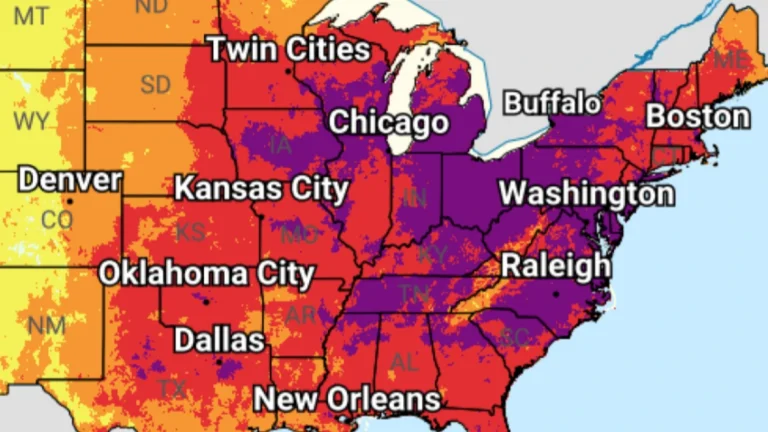
    Extreme Heat Warnings, Extreme Heat Watches, and Heat Advisories are in effect across 31 U.S. states after the National Weather Service (NWS) issued a series of heat alerts on June 29, 2026. Peak heat index values are forecast to reach 46°C (115°F), with dangerous heat and humidity expected to persist into early July across parts of the Midwest, Northeast, Southeast, and central United States.

  • Extreme Heat Watches and Heat Advisories issued across Illinois, Missouri, Kansas, Iowa, Nebraska, and South Dakota

    Heat Advisories and Extreme Heat Watches have been issued across parts of Illinois, Missouri, Kansas, Iowa, Nebraska and South Dakota ahead of intensifying heatwave beginning Sunday, June 28, 2026. Heat index values are forecast to exceed 38°C (100°F) across much of the region, with some areas expected to reach 41 to 43°C (105 to 110°F) through Tuesday or Thursday, depending on location.

  • Heat Advisories in effect across central U.S., heat index values up to 42°C (108°F) forecast

    Dangerous heat is expected across much of the central United States on June 9, 2026, with multiple National Weather Service offices warning that heat index values will reach 38 to 42°C (100 to 108°F) during the afternoon and evening. Heat Advisories remain in effect across Kansas, Missouri, Arkansas, Tennessee, Mississippi, Iowa, Nebraska, South Dakota, Minnesota, and Wisconsin, with the most dangerous conditions forecast across the Mid-South.

  • Enhanced Risk issued for severe storms across Northern Plains, tornadoes, very large hail, and damaging winds forecast

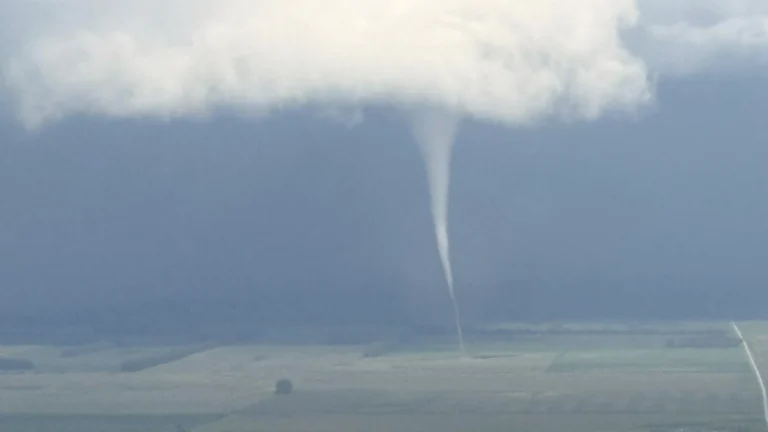
    The Storm Prediction Center has placed parts of the Northern Plains under an Enhanced Risk (Level 3/5) for severe thunderstorms on June 9, 2026, as a strengthening low-pressure system emerging from the northern Rockies is forecast to support numerous storms capable of producing very large hail, damaging winds, and tornadoes, including a few strong tornadoes, from eastern North Dakota and northeastern South Dakota into northwestern Minnesota.

  • Flooding concerns grow in Montana as severe storms threaten parts of the Plains

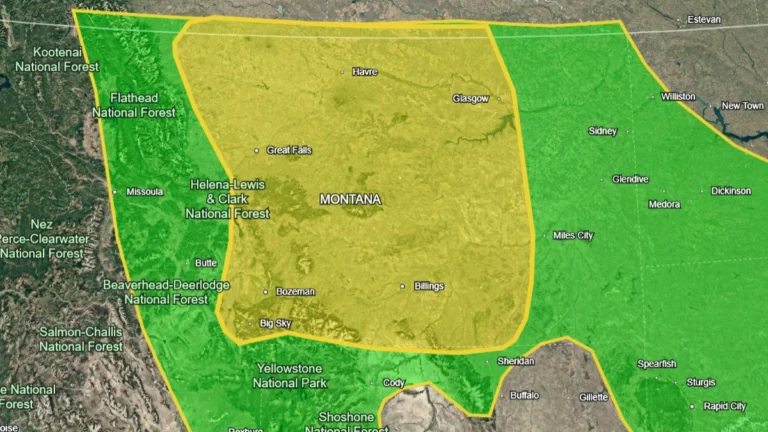
    A storm system moving from the Great Basin into the Northern Rockies is expected to bring widespread rain, flooding concerns, and severe thunderstorms across multiple U.S. regions through June 1, 2026. The highest rainfall threat is forecast across portions of Montana on May 30, 2026, while severe storms capable of producing damaging winds and large hail are expected across parts of Nebraska and South Dakota.

  • Heavy ice, sleet, and snow forecast across Upper Midwest and Great Lakes, multiple warnings and advisories issued

    A late-season winter storm is forecast to impact the Upper Midwest and Great Lakes region from late April 1 through April 3, 2026, bringing widespread freezing rain, sleet, and snow across multiple states. Ice Storm Warnings, Winter Storm Warnings, Winter Weather Advisories, and Winter Storm Watches are in effect, with ice accumulations up to 10 mm (0.4 inches) and snowfall exceeding 45 cm (18 inches) in some areas, creating hazardous travel conditions and potential power outages.