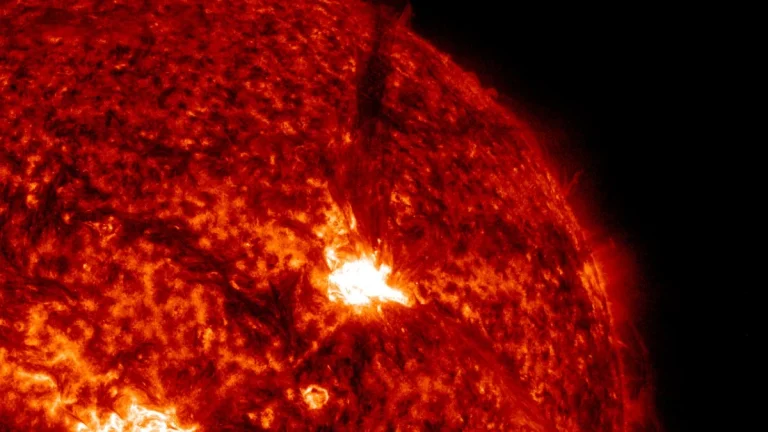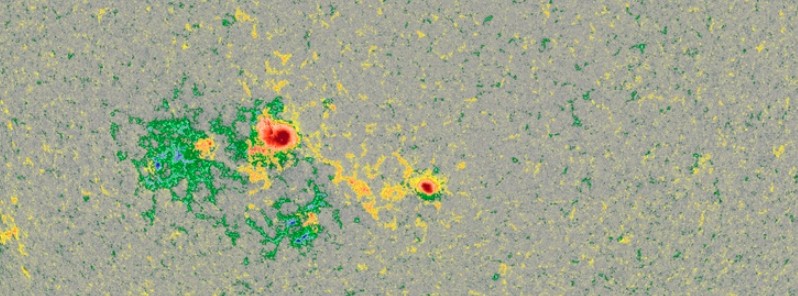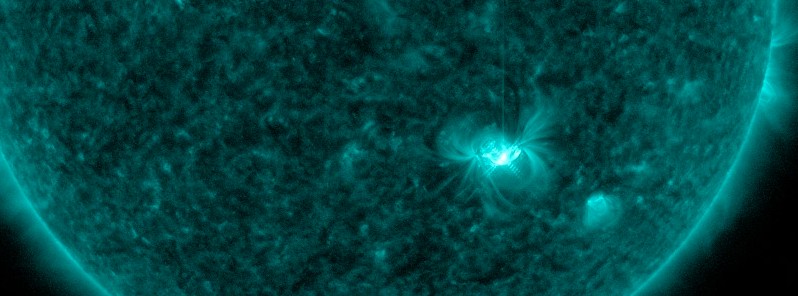
• CME and coronal hole influences cause G1-G2 geomagnetic storming, M3.3 flare erupts beyond solar limb

    A long-duration M3.3 flare erupted from just beyond the east-southeast limb at 11:00 UTC on January 11, 2026, as CME and coronal hole influences continued to disturb the solar wind environment. The geomagnetic field reached G1 – Minor to G2 – Moderate storm levels on January 10–11 under combined CME and coronal hole high-speed stream effects. Elevated solar wind parameters and unsettled-to-active geomagnetic conditions are expected to persist through January 14.
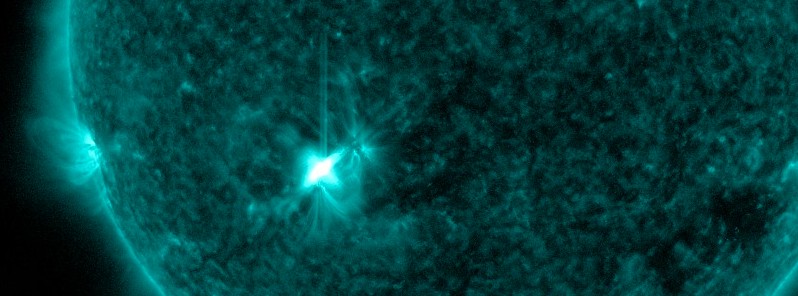
  • Multiple CMEs heading toward Earth, impacts expected between October 15 and 17

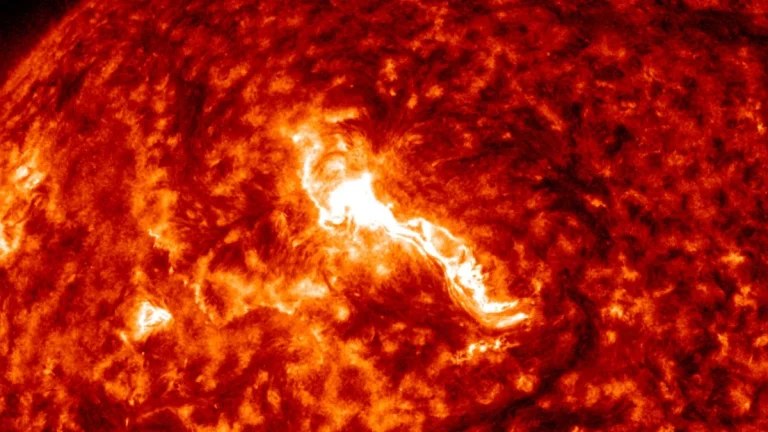
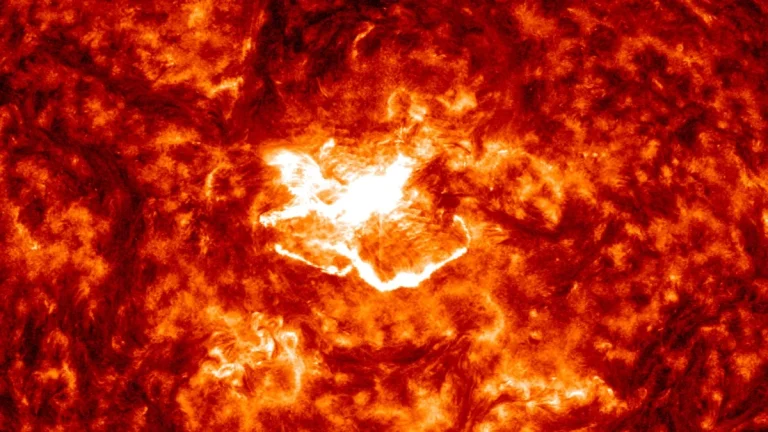
    Two coronal mass ejections (CMEs) launched from Active Region 4246 on October 13, 2025, are heading toward Earth and are expected to impact Earth over the next couple of days, according to NOAA’s Space Weather Prediction Center (SWPC). Model output indicates arrival around mid to late October 17, though forecasters note a possible earlier impact as both CMEs interact with earlier ejecta from the same region.

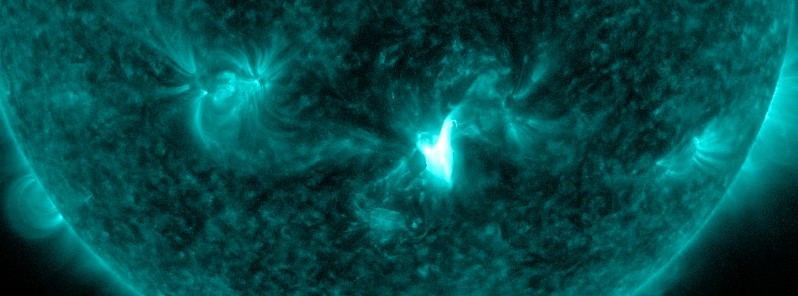
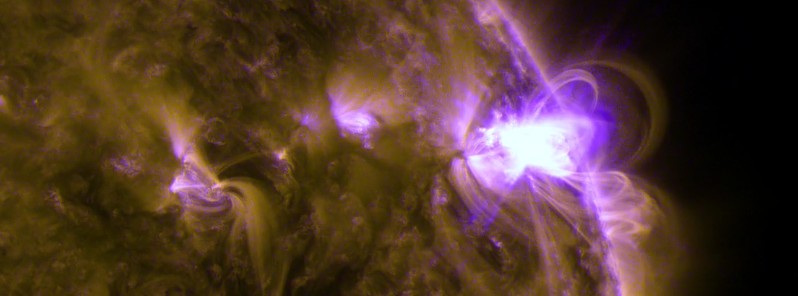
  • Moderately strong M4.4 solar flare erupts, CME produced

    A moderately strong solar flare measuring M4.4 at its peak erupted at 13:11 UTC on November 29, 2020, from a region about to rotate into Earth view. The event started at 12:34 and ended at 13:41 UTC. This is the strongest solar flare in more than 3 years. A Type II…

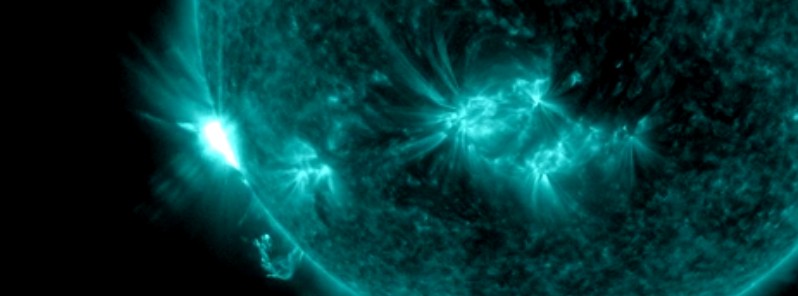
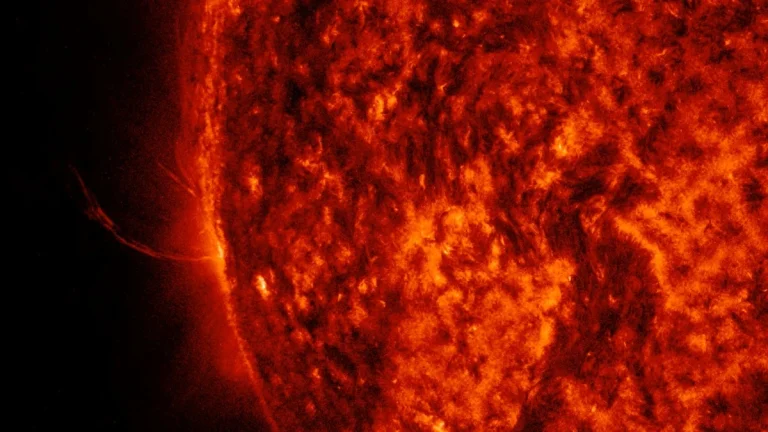
  • Glancing blow CME possible on November 1

    A Coronal Mass Ejection (CME) produced by a C4.3 flare at 06:16 UTC on October 27, 2020, was analyzed by the SWPC and determined to be a possible glancing blow on November 1. The source of the flare was a large AR 2778 which produced multiple B- and C-class flares…