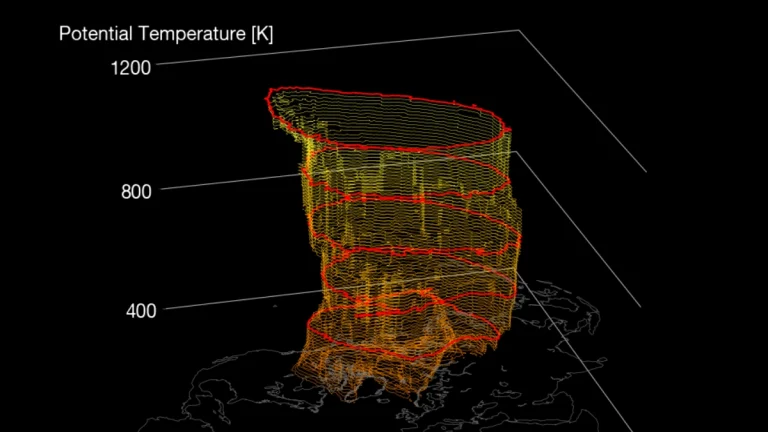
• Polar vortex disrupted as major sudden stratospheric warming develops over the Arctic

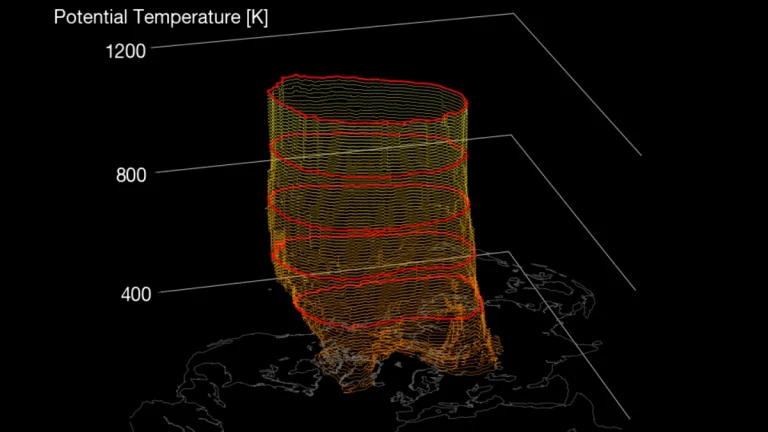
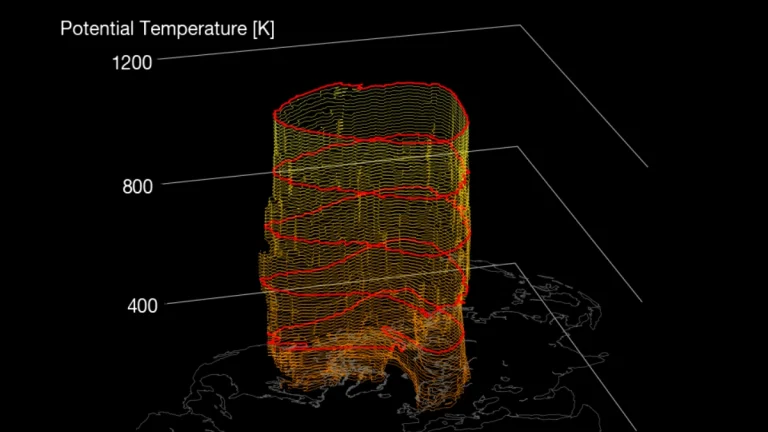
    Multiple atmospheric diagnostics show that a major sudden stratospheric warming is underway over the Arctic, with strong planetary wave activity, rapid polar warming, and reversal of the stratospheric jet indicating a significant disruption of the polar vortex circulation. This type of stratospheric disruption can influence atmospheric circulation patterns in the coming weeks, sometimes increasing the likelihood of cold air outbreaks across parts of North America, Europe, and Asia.
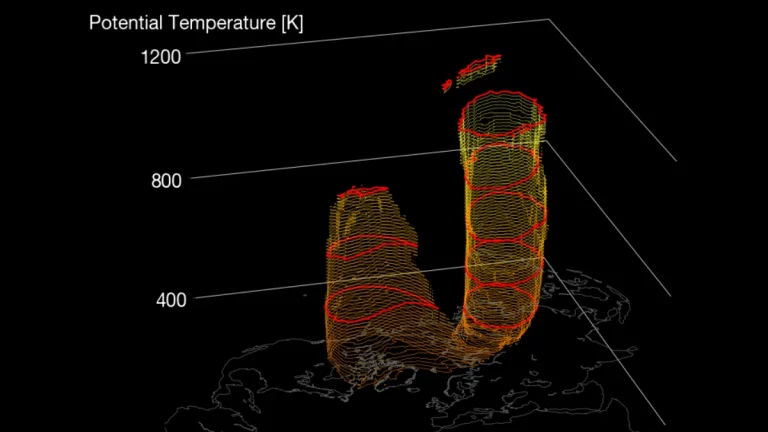
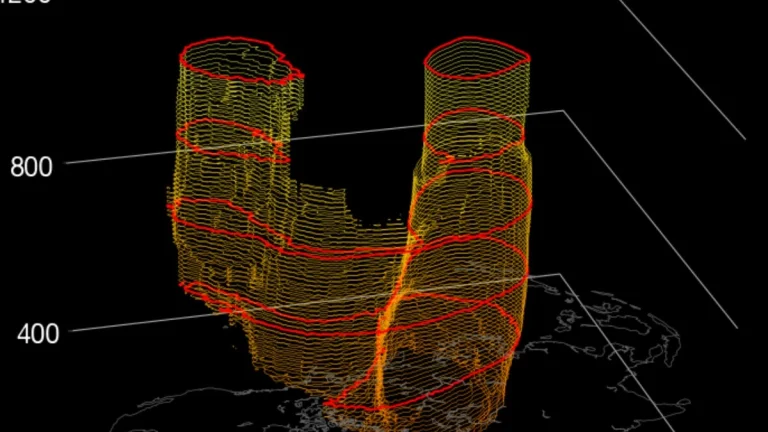
  • Polar vortex split to impact Northern Hemisphere weather in March 2026

    Another warming of the Arctic stratosphere is now underway, with the polar vortex forecast to undergo a final split in March 2026. The zonal mean wind reversal around 60°N and 10 hPa is expected between February 28 and March 1, with its impacts propagating into the troposphere, likely shifting weather patterns over Europe and North America.

  • Stratospheric warming developing over the Arctic forecast to weaken the polar vortex and influence February weather

    Meteorological forecasts show a major sudden stratospheric warming event forming over the Arctic, likely to cause significant weakening of the polar vortex in early February 2026. The resulting atmospheric disruption may alter jet-stream dynamics and increase the risk of Arctic air intrusions into North America and northern Europe during the second half of February.

  • Major polar vortex disruption brings Arctic surges across North America and Europe through January and early February

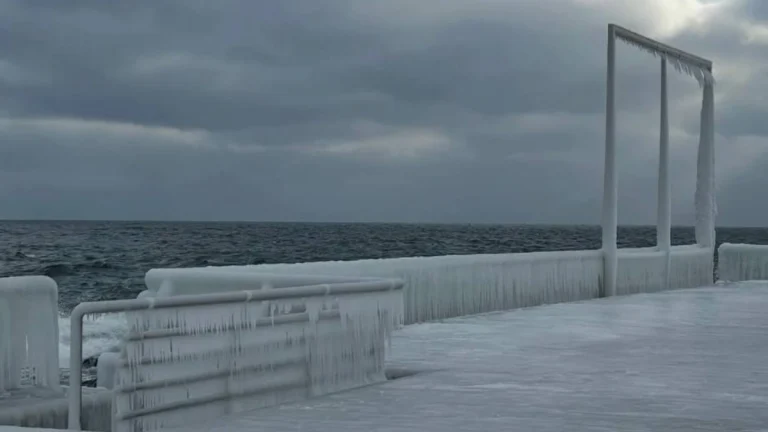
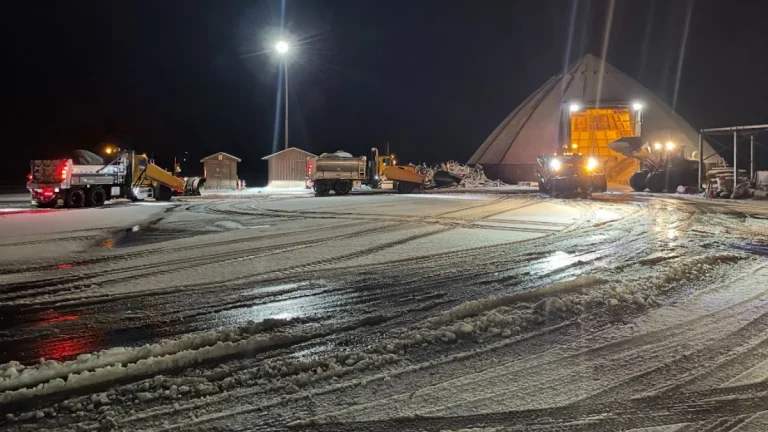
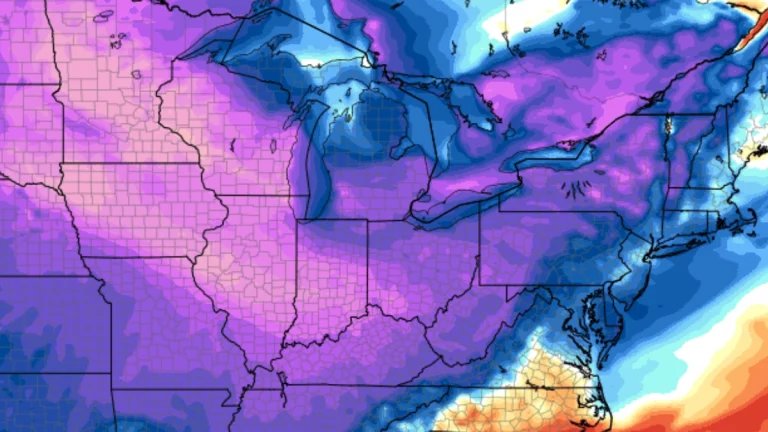
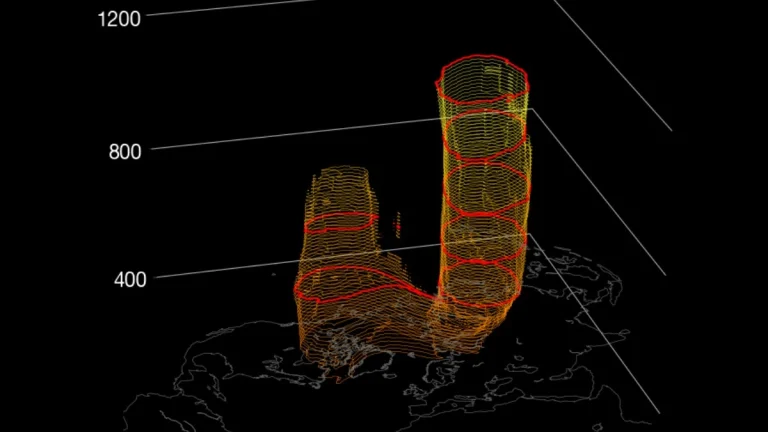
    A major polar vortex disruption has begun and is forecast to send Arctic air into much of North America and Europe through mid and late January 2026. The event will bring freezing temperatures and winter weather as the vortex weakens following a stratospheric warming episode. A second, stronger outbreak is forecast to occur during the last part of January as the core of the vortex splits into two halves, each driving cold Arctic air into Europe and North America in February.

  • Polar Vortex disruption expected after January stratospheric warming

    A Sudden Stratospheric Warming (SSW) event evolving over the Arctic through mid-January 2026 is forecast to weaken and displace the Polar Vortex, according to ECMWF and NOAA extended-range guidance. The disturbance is expected to propagate downward over the following weeks, raising the probability of Arctic air outbreaks and colder-than-normal conditions in parts of North America and Europe during the second half of January 2026.