Bright fireball lights up skies over New South Wales, Australia
A bright fireball was observed over New South Wales, Australia, at 08:35 UTC on May 21, 2026, with reports from Sydney, Canberra, and several inland NSW locations.


A bright fireball was observed over New South Wales, Australia, at 08:35 UTC on May 21, 2026, with reports from Sydney, Canberra, and several inland NSW locations.
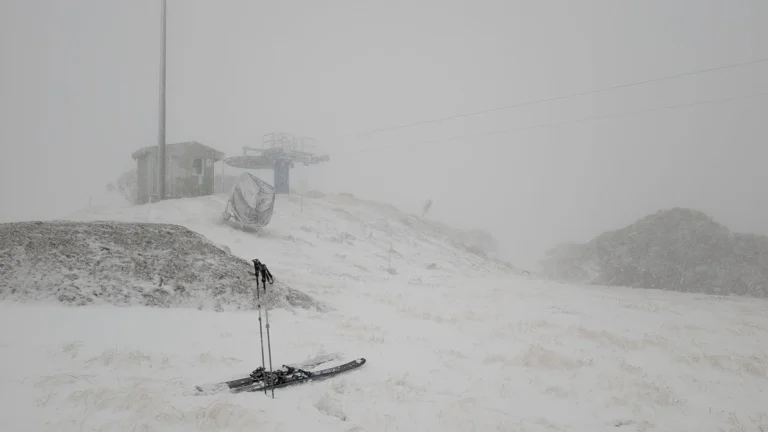
A multi-hazard weather system began affecting south-eastern Australia on March 26, 2026, bringing severe thunderstorms to parts of New South Wales, followed by damaging winds, hazardous surf along the NSW coast, a sharp temperature drop, and snow in alpine areas. Forecasts through March 28 called for gusts up to 120 km/h (75 mph) in exposed coastal areas, offshore wave heights of several meters, and wintry conditions over higher terrain, while NSW SES reported hundreds of storm-related incidents during the initial phase of the event.

A fast-moving dust storm affected outback communities in New South Wales on January 31, 2026, resulting in hazardous driving conditions and widespread dust deposition. Meteorologists from the Bureau of Meteorology reported the system formed as dry topsoil was lifted by intense westerly gusts exceeding 70 km/h (45 mph).
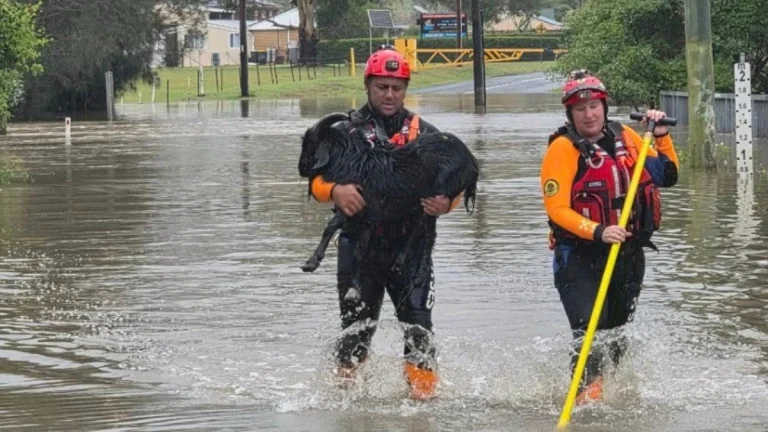
Heavy rain and severe thunderstorms swept across New South Wales and southeast Queensland between Saturday and Monday, January 17 and 19, 2026, forcing evacuations around Sydney’s Narrabeen Lagoon and causing one death at Macquarie Pass. The storm system brought flash flooding, landslides, and dozens of rescues as the NSW State Emergency Service continued operations across inundated coastal suburbs.
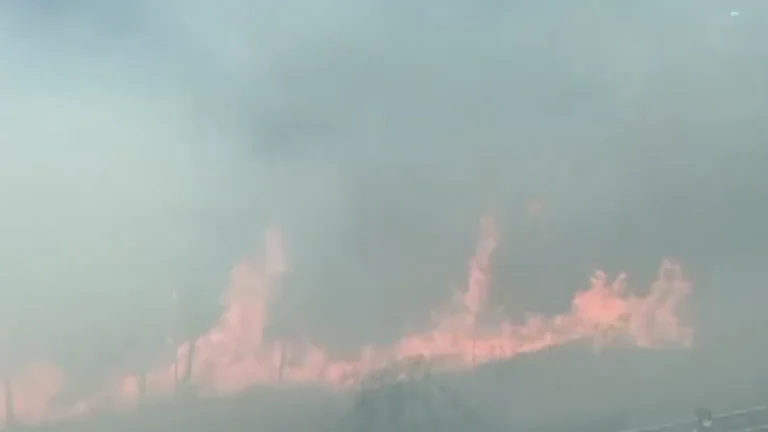
A 59-year-old firefighter from New South Wales National Parks and Wildlife Service died late Sunday, December 7, 2025, at Nerong, Bulahdelah after being struck by a falling tree while working on a wildfire burning across the state’s Mid North Coast.
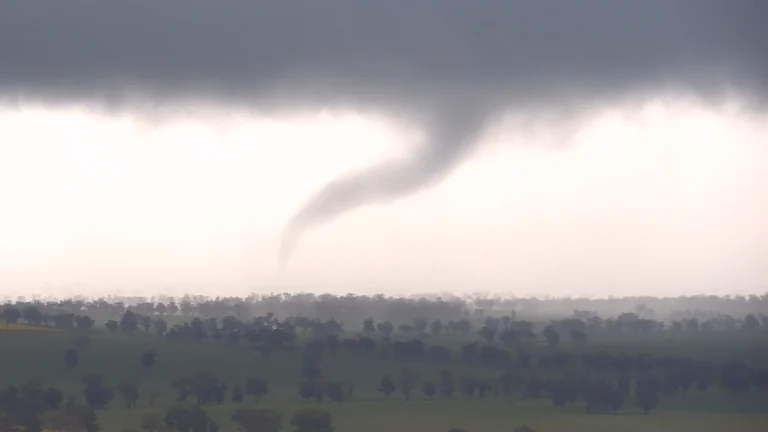
Multiple tornadoes touched down in New South Wales on September 10, 2025, one of which destroyed the shed of a farm in Caragabal, and ripped the roof off a nearby house.
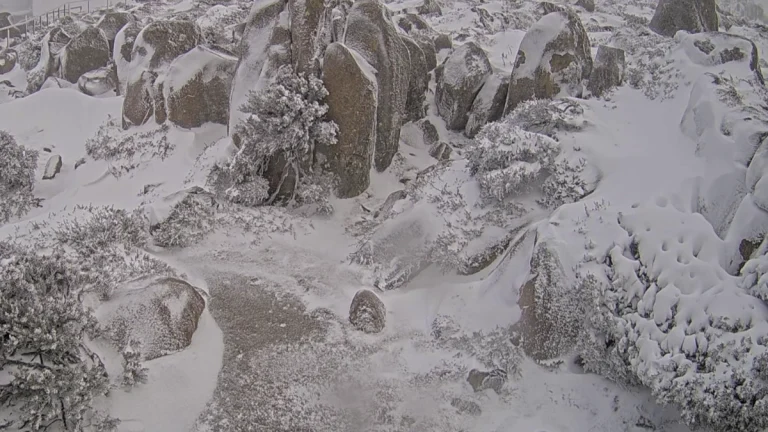
Heavy snowfall affected southeastern Australia on August 29 and 30, 2025, with 82 cm (32 inches) measured at Mount Buller, Victoria, and 40 cm (16 inches) in New South Wales resorts. Strong winds up to 130 km/h (81 mph) caused damage and power outages. The blizzard also hampered the search of double murder accused in Porepunkah, Victoria.
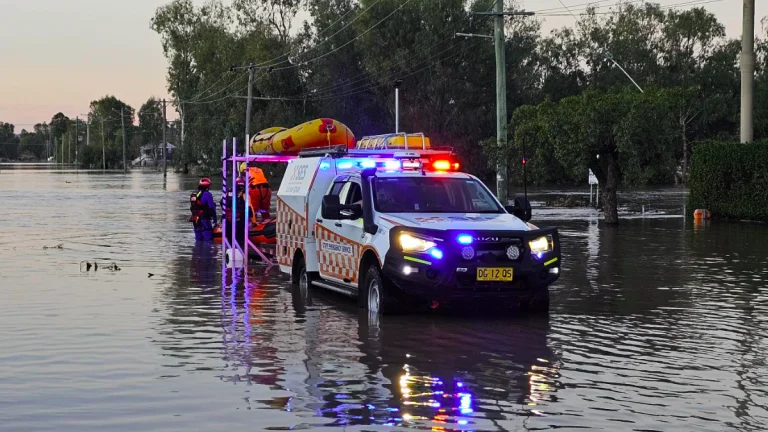
Ongoing floods across New South Wales prompted emergency evacuations in areas from Narrabri to Wee Waa as the Narrabri Creek crossed major flood level on August 6, 2025.

A thick dust storm significantly degraded air quality across Greater Sydney and the Illawarra region, Australia, on the morning of May 27, 2025. Particulate matter (PM10) levels surpassed 900 μg/m³ in some locations, prompting health warnings from authorities.

Severe flooding persisted across eastern New South Wales (NSW) on Thursday, May 22, 2025, following days of heavy rainfall from a slow-moving trough. Floodwaters inundated towns in the Mid North Coast and Hunter regions for a third consecutive day. Three fatalities have been confirmed, one person remains missing, and approximately 50 000 residents are isolated.
