• Late-season snowstorm leaves 3 dead and over 76 000 without power in central and northwestern Russia

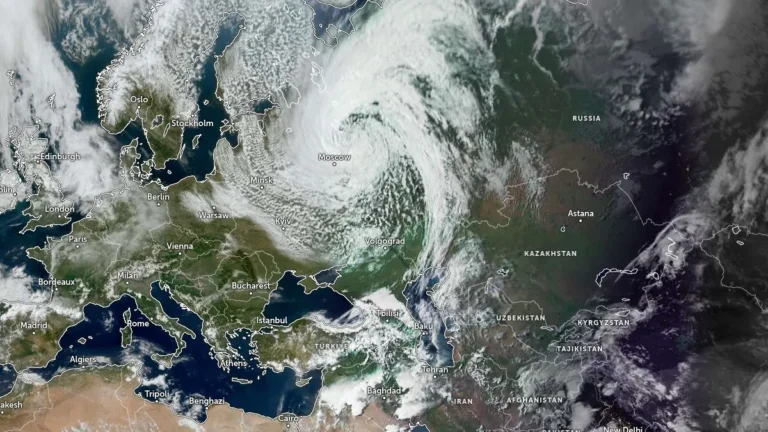
    A late-season snowstorm swept across central and northwestern Russia on April 27–28, 2026, leaving three people dead and cutting electricity to more than 76 000 residents, according to regional authorities and the Russian Emergency Situations Ministry. Strong winds reaching up to 97 km/h (60 mph) combined with wet snow to damage infrastructure and disrupt transport, including in Moscow.
  • Unusually strong April snowstorm disrupts Moscow, Russia

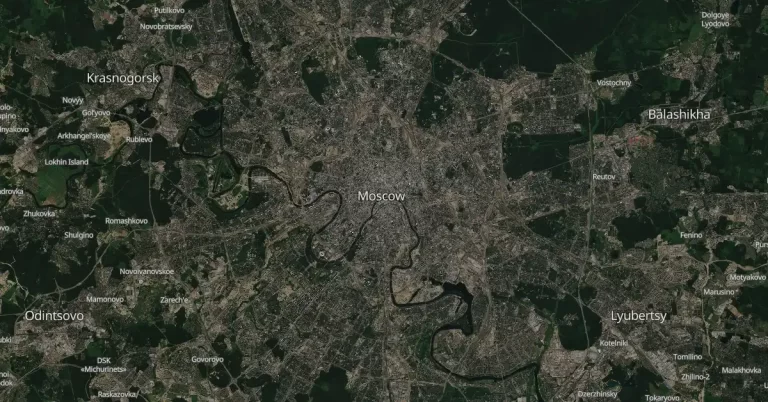
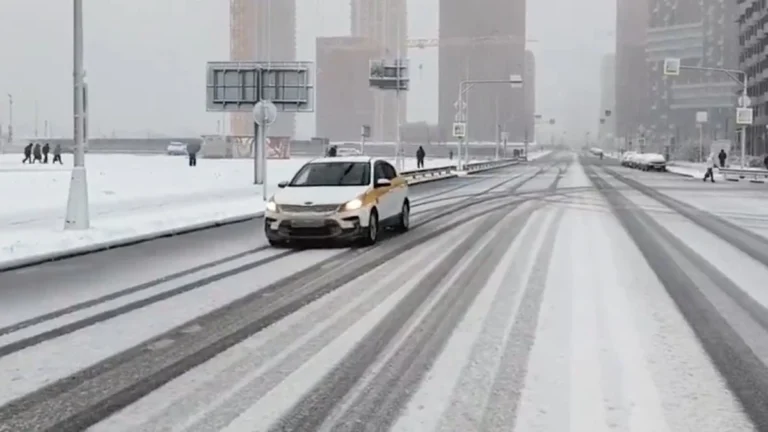
    Wet snow and strong winds disrupted Moscow, Russia, on Monday, April 27, 2026, after Hydrometcenter warned that parts of the city could see strong precipitation, wet snow, icy roads, and gusts of 65–83 km/h (40–51 mph). Phobos forecaster Mikhail Leus reported preliminary daily record values for April 27, while city and regional authorities reported fallen trees, transport disruption, and power outages in parts of Moscow Oblast.

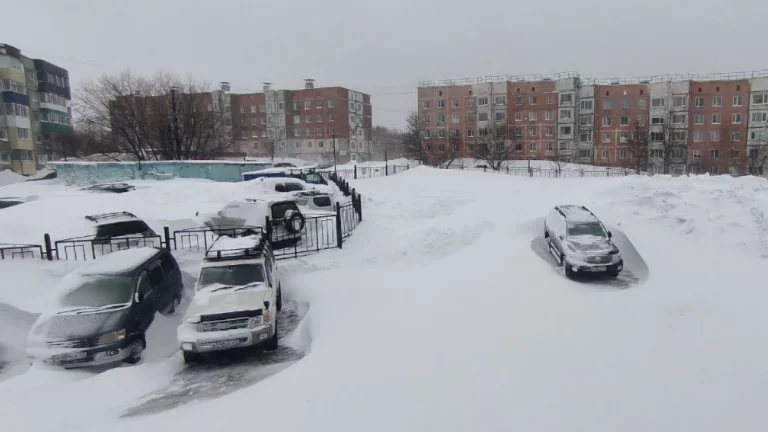
  • Powerful winter storm drops 30% of monthly precipitation across Kamchatka in 24 hours

    A powerful winter storm struck the Kamchatka Peninsula overnight on January 13, 2026, dropping 30% of the region’s monthly precipitation in 24 hours. Small avalanches were reported in snow-covered neighborhoods across the region. The storm added to existing accumulations from previous winter storms, one of which brought the heaviest snowfall on record to Moscow between January 8 and 9.

  • Very bright, slow-moving bolide illuminates night sky over Moscow, Russia

    A bright green bolide, a natural meteoroid entering Earth’s atmosphere, illuminated the skies over Moscow, Russia, at around 00:30 UTC on October 27, 2025. The object produced several bright flashes and visible fragmentation as it moved across the sky, leaving a persistent trail. Analysis of multiple videos confirms its natural origin, distinguishing it from any satellite or rocket re-entry.

  • Moscow records highest July 3 temperature since 1917, Russia

    Cities across Russia saw temperatures above 35 °C (95 °F) this week, while in Moscow, the mercury hit 32.7 °C (90.86 °F) on July 3 — the highest temperature for July 3 since 1917, according to the FOBOS weather center. This week, records were broken from Russia’s Pacific coast and the wilds of Siberia to the European parts of Russia.

  • Severe ‘black blizzard’ in Moscow: Snowfall hits 35% of monthly average overnight, Russia

    The Russian capital of Moscow is facing an extraordinary ‘black blizzard’, a weather pattern typically seen in the Far North. This phenomenon, which started overnight, has resulted in heavy snowfall and reduced visibility to approximately 100 m (328 feet), with the situation expected to persist until Tuesday, November 28, 2023.

  • Destructive storm hits Moscow after record heat, Russia

    Destructive rains and strong winds hit Moscow, Russia, on Monday, June 28, 2021, a week after the city sizzled through record heat. Powerful gusts uprooted trees and caused damage to cars on streets, while heavy rains triggered flooding. The metro system halted…