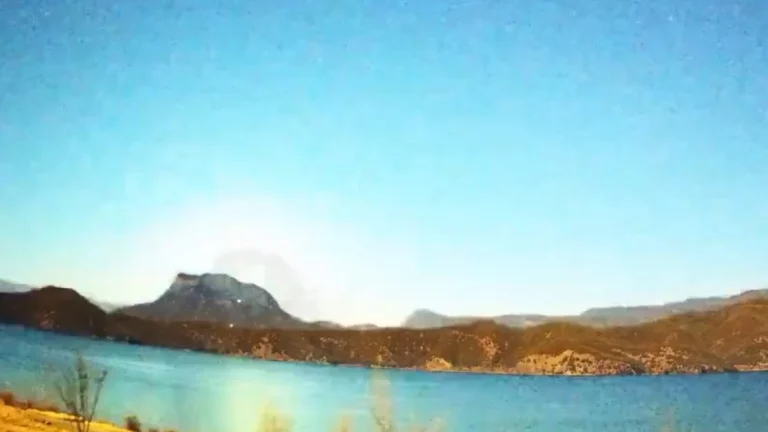
• Very bright fireball streaks across night sky over New Zealand

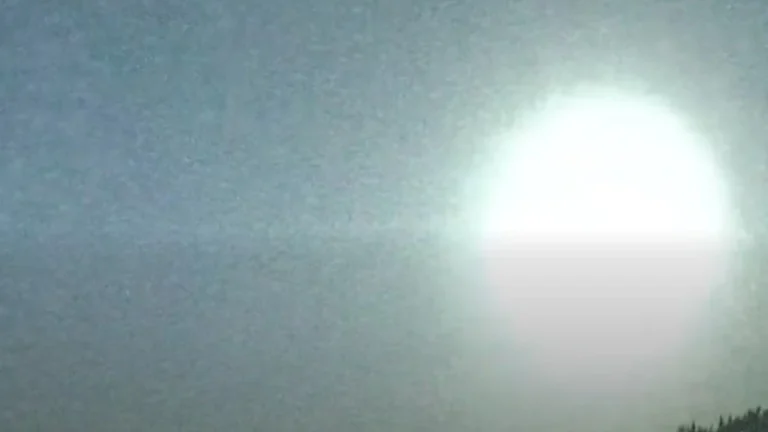
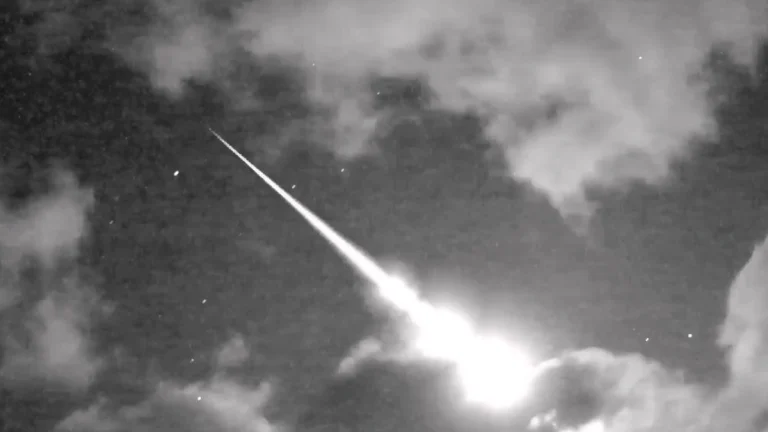
    An exceptionally fast fireball was observed over much of New Zealand at 10:25 UTC on January 29, 2026, glowing from 120 km (75 miles) altitude and burning up entirely by 70 km (43 miles). The event was visible across the lower North Island and upper South Island.

  • Bright fireball streaks across the sky over Brazil’s Northeast region

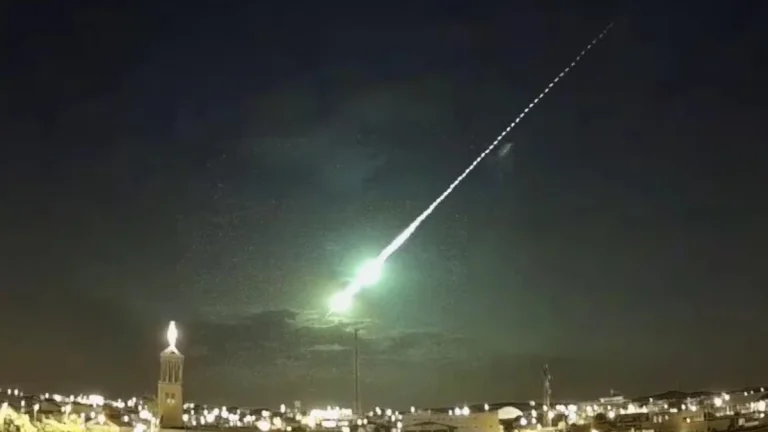
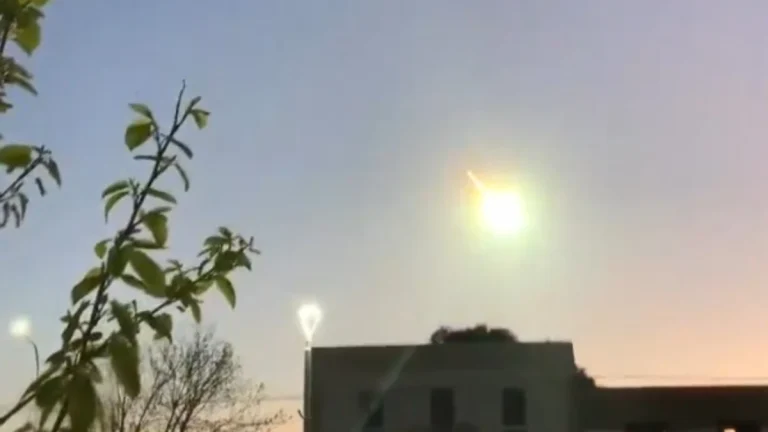
    A bright meteor streaked across the sky over Brazil’s Northeast region at nightfall on December 8, 2025, captured by Clima ao Vivo monitoring cameras in Pernambuco, Paraíba, and Ceará. Preliminary analysis by the Brazilian Meteor Observation Network (BRAMON) indicates the object entered the atmosphere at a speed of around 180 000 km/h (112 000 mph). The event coincided with the active Geminid meteor shower period, one of the most intense annual meteor streams visible from Earth.

  • Very bright fireball over North Island, New Zealand

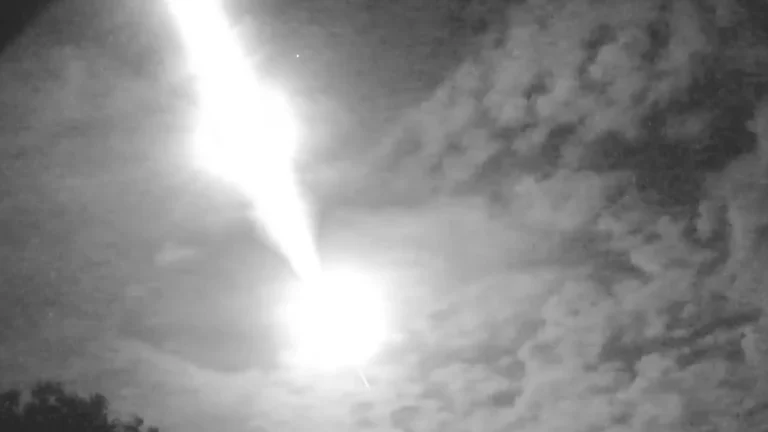
    A bright fireball was observed over New Zealand’s North Island at 09:31 UTC (22:31 NZDT) on November 17, 2025, captured by multiple Fireballs Aotearoa cameras, including the color camera at Tauranga Astronomical Society in Matua and station NZ0033 in Katikati.

  • Very bright, slow-moving bolide illuminates night sky over Moscow, Russia

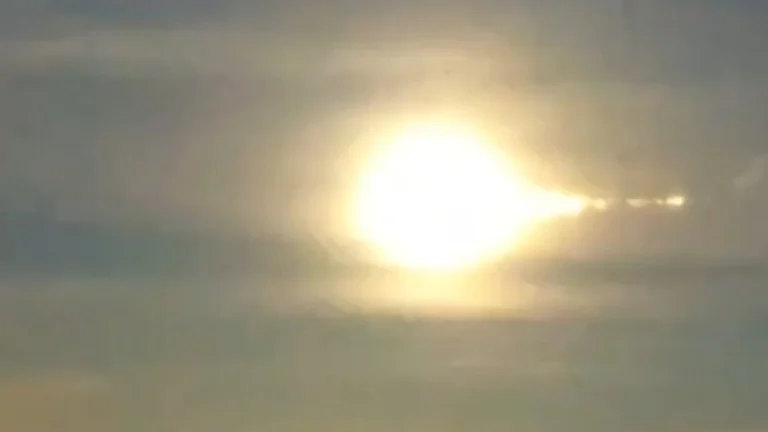
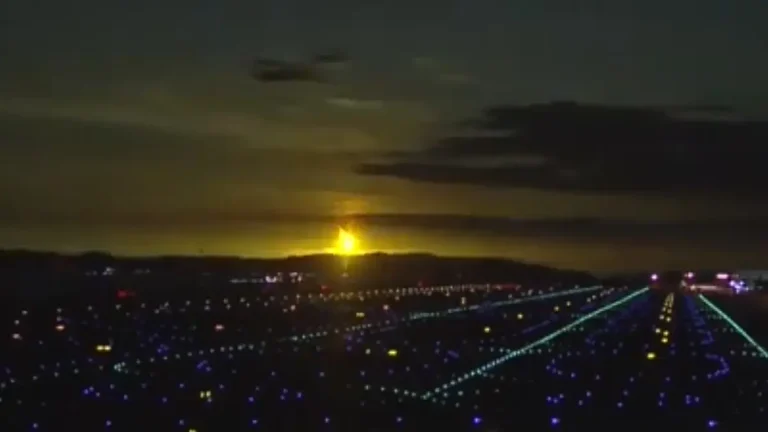
    A bright green bolide, a natural meteoroid entering Earth’s atmosphere, illuminated the skies over Moscow, Russia, at around 00:30 UTC on October 27, 2025. The object produced several bright flashes and visible fragmentation as it moved across the sky, leaving a persistent trail. Analysis of multiple videos confirms its natural origin, distinguishing it from any satellite or rocket re-entry.

  • Bright daylight fireball over northeastern Brazil registered as 0.44-kiloton airburst

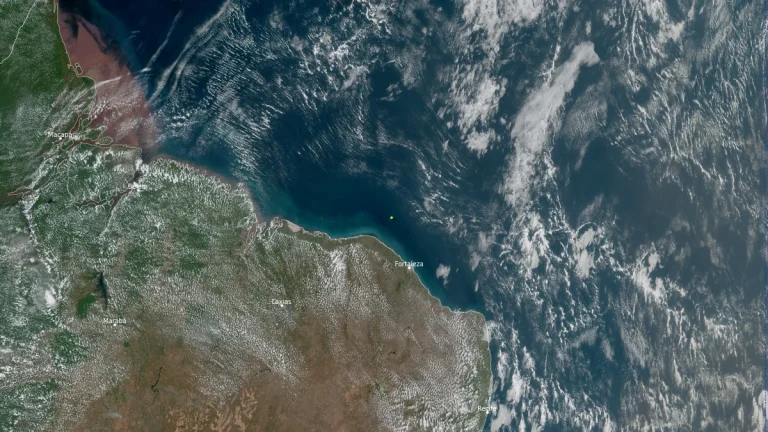
    A bright daylight fireball was recorded at 17:49 UTC (14:49 LT) on September 9, 2025, over the Atlantic Ocean, off the northeastern coast of Brazil. NASA’s CNEOS data show the object released 0.44 kilotons of impact energy at an altitude of 24 km (15 miles). IMO and AMS received 10 reports from Ceará, with witnesses describing orange to blue colors, persistent trails, fragmentation, and sounds ranging from faint hissing to thunder-like booms.