Orbit – Yet another incredible ISS timelapse
Edited by Brian Tomlinson: http://www.btprints.comOriginal stills for the time lapse sequences courtesy of the Image Science & Analysis Laboratory, NASA Johnson Space Center.Music: ‘Eve’ by

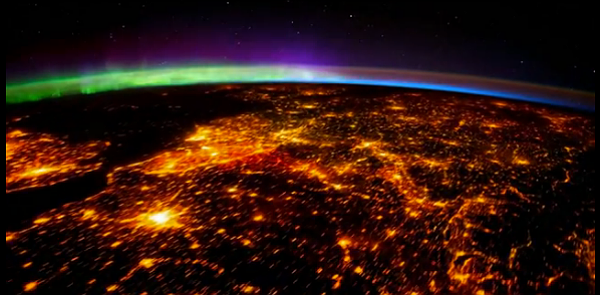
Edited by Brian Tomlinson: http://www.btprints.comOriginal stills for the time lapse sequences courtesy of the Image Science & Analysis Laboratory, NASA Johnson Space Center.Music: ‘Eve’ by
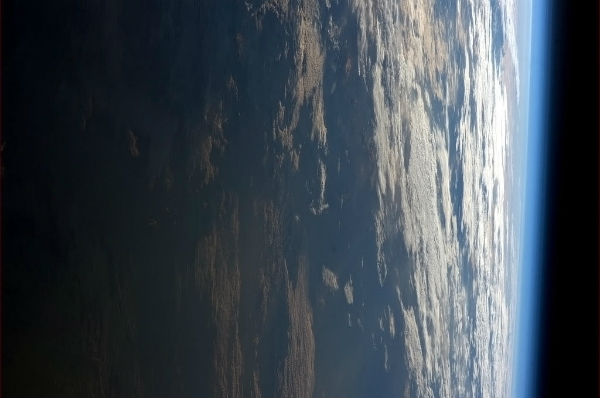
The latest video from the International Space Station (courtesy of the crew of Expedition 34) shows the view from ISS when crossing from night into day, and then slips back into night again. ISS cross the terminator and experience this day-night cycle 16 times a day.
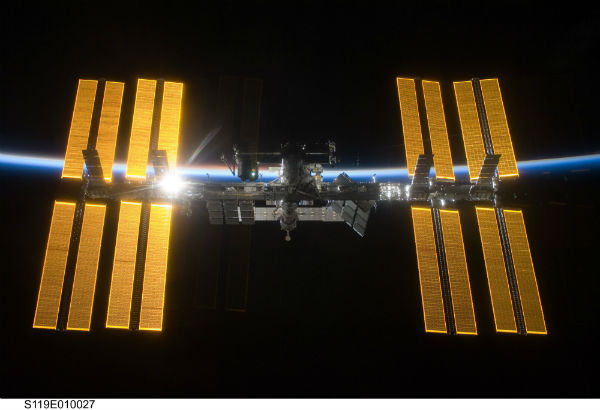
This weekend the International Space Station will turn itself to position ESA’s SOLAR instrument for a better view of the Sun. This would be the first time ISS has changed attitude for scientific reasons alone.SOLAR instrument was installed on ESA’s Columbus
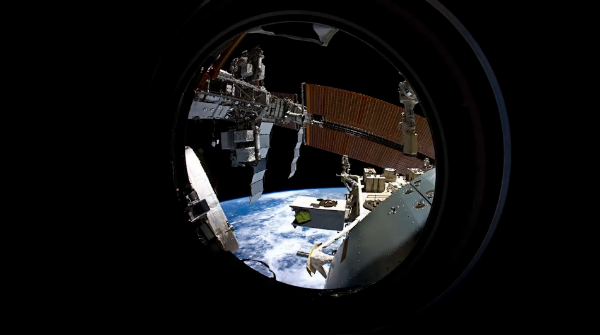
“Further Up Yonder” timelapse video was compiled by film-making student Giacomo Sardelli by using pictures taken from the International Space Station to tell a story and share the message sent by the astronauts who worked on the station in the last 11 years. This is
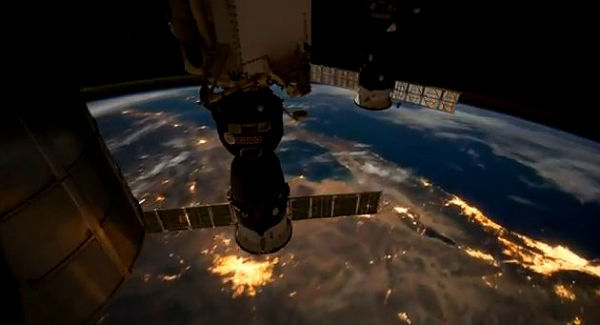
From high above the Earth, the International Space Station (ISS) provides a unique vantage point to view our home planet. Stunning time-lapse photography of cities, aurora, lightning and other sights are seen from orbit. “If you could see the Earth
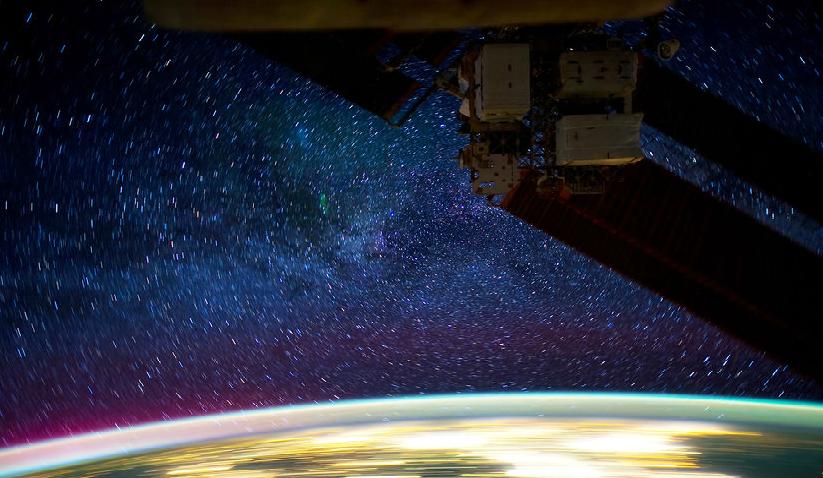
Here’s the latest video of nighttime passes of the International Space Station over Earth, assembled by photographer Knate Myers, compiled and arranged in Sony Vegas. Every frame in this video is a photograph taken from the ISS.View from the ISS at Night from
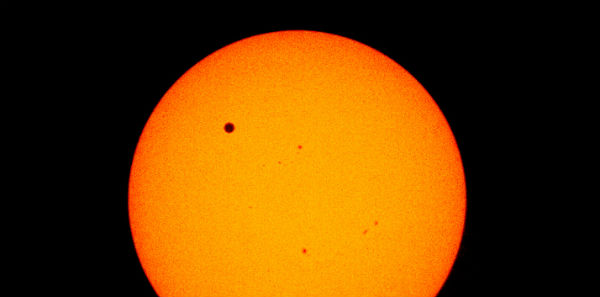
The Transit of Venus is over. It was the most spectacular event for all skywatchers as well for the whole astrophysics science community. Technology in 2012 allowed us to observe the Transit from mighty Earth’s telescopes as well as from solar-observing space fleet and

Seventy-six types of unregulated micro-organisms have been detected on the International Space Station (ISS). Though many are harmless, some are already capable of causing severe damage. These organisms corrode metals and polymers and can cause equipment to fail…
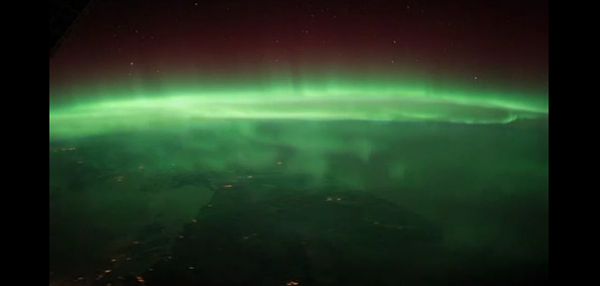
NASA Earth Observatory released amazing videos of March auroras seen from International Space Station (ISS). The sequence of shots to create this video was taken by the crew of Expedition 30 on January 25, 2012 from 09:27:08 to 09:32:16 GMT, on a pass from northwestern
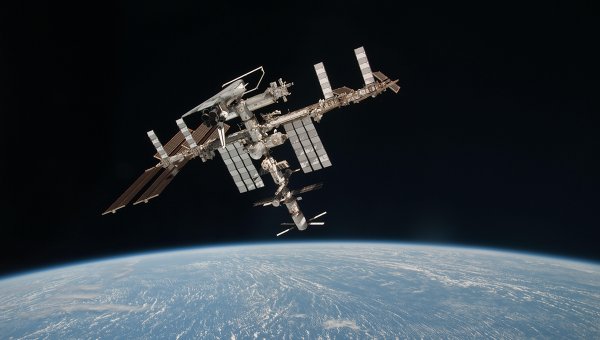
The launch of two new crews to the International Space Station (ISS) will be postponed by about 45 days over the need to build a reserve capsule, a Federal Space Agency (Roscosmos) official said on Tuesday.It was earlier announced that three new crew members –
