• Study finds astronauts' hearts become more spherical in space

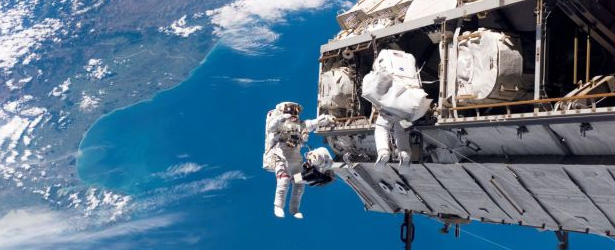
    New findings from a study of 12 astronauts show the heart becomes more spherical when exposed to long periods of microgravity in space, a change that could lead to cardiac problems, according to research to be presented at the American College of Cardiology's 63rd

  • Sensing lightning from ISS

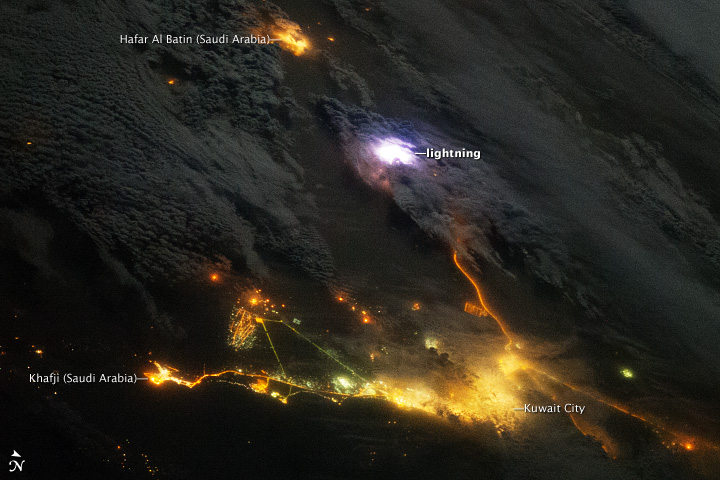
    Across the atmosphere of Earth, lightning flashes about 50 times per second. That’s 4.3 million times a day and roughly 1.5 billion times a year. Using a new instrument on the International Space Station (ISS), scientists are trying to observe and dissect at

  • 15th anniversary of International Space Station

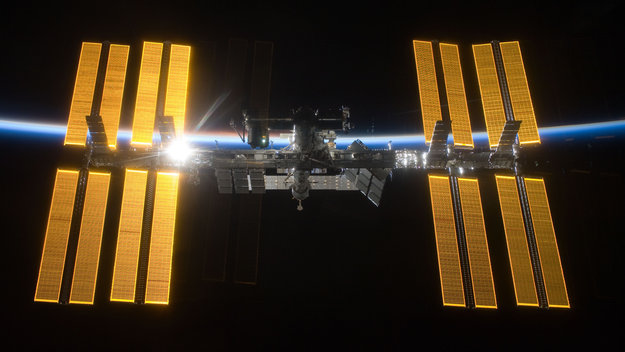
    On November 20, 1998, the first module for International Space Station (ISS) was successfully launched on a Russian Proton rocket from Baikonur Cosmodrome Site 81 in Kazakhstan to a 400 km (250 miles) high orbit with a designed lifetime of at least 15 years.

    Module

  • Steam plume observed at Gaua volcano, Vanuatu

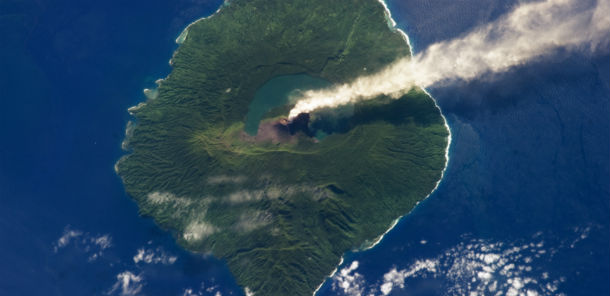
    Gaua, also known as Santa Maria Island, is part of the Vanuatu Archipelago, a group of volcanic islands in the South Pacific Ocean. Just 20 kilometers (12 miles) in diameter, Gaua Island is actually the exposed upper cone and summit of

  • Eruption of Pavlof volcano seen from space on May 18, 2013

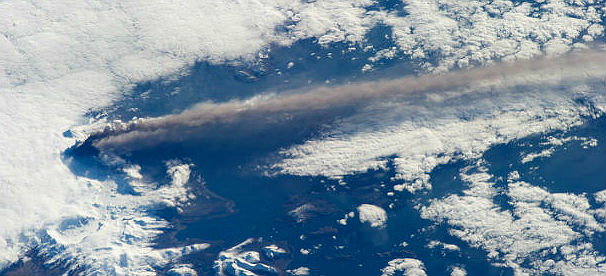
    Situated in the Aleutian Arc about 625 miles (1,000 kilometers) southwest of Anchorage, Alaska, Pavlof volcano began erupting on May 13, 2013 and Alaska Volcano Observatory (AVO) changed its volcanic alert level from Advisory to Watch and aviation color dode from

  • Marillion’s soundtrack for space

    Rock band Marillion have a long-standing interest in science and exploration. In particular, guitarist Steve Rothery is fascinated by the images of Earth as seen from the International Space Station. He wrote a piece of music called “Space” some time ago and thought it

  • Orbit – Yet another incredible ISS timelapse

      Edited by Brian Tomlinson: http://www.btprints.comOriginal stills for the time lapse sequences courtesy of the Image Science & Analysis Laboratory, NASA Johnson Space Center.Music: ‘Eve’ by