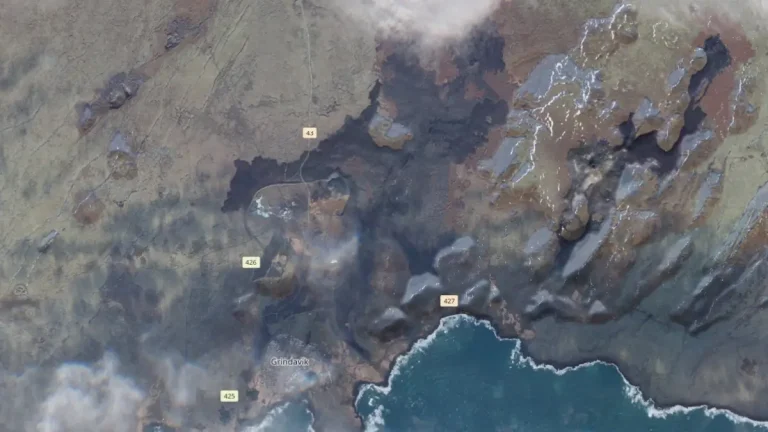
• Magma accumulation approches critical volume at Svartsengi, Iceland

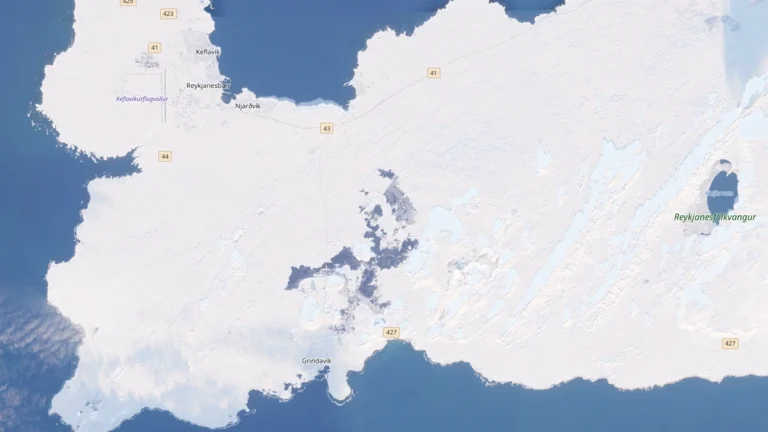
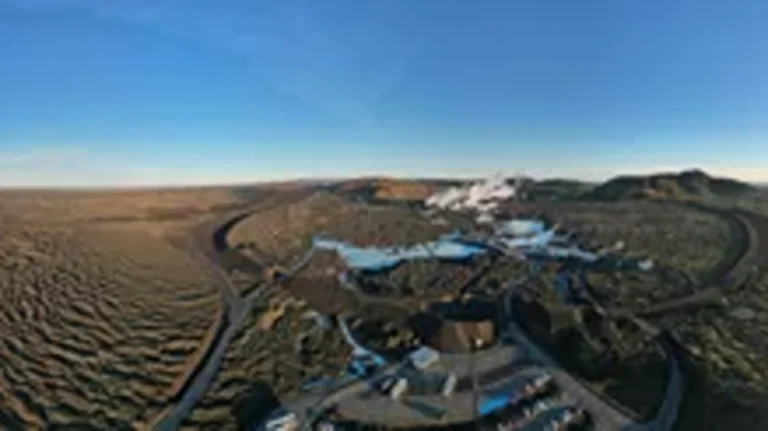
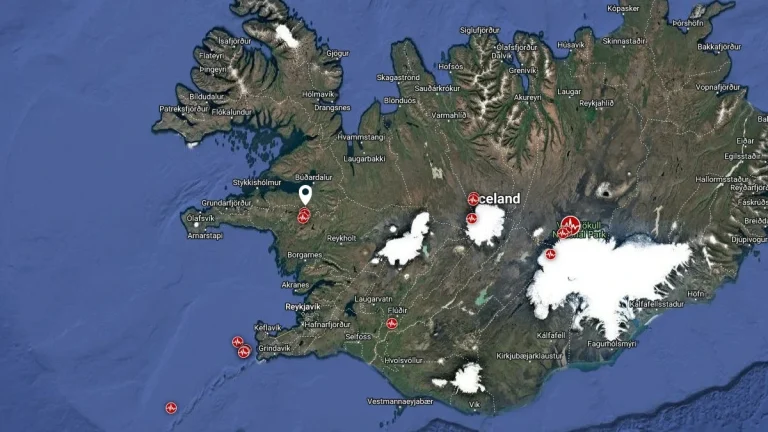
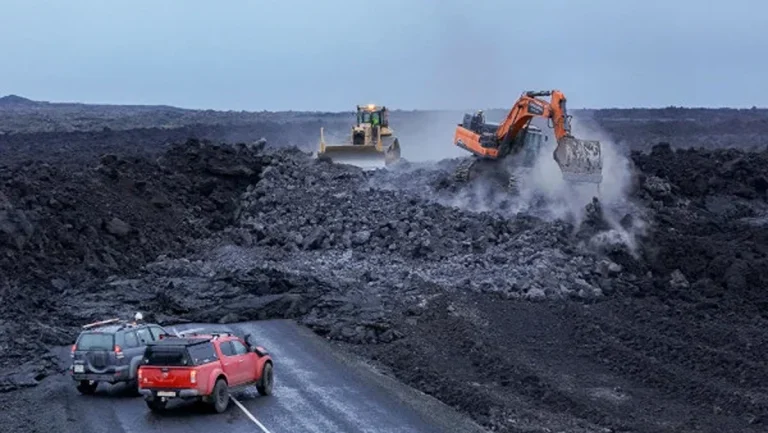
    Magma continues accumulating beneath Svartsengi at a rate nearing the levels observed before the previous eruption. Deformation measurements confirm ongoing ground uplift, with geophysical models estimating that the subsurface magma volume is approaching the threshold associated with past magma intrusions.

  • Powerful earthquake swarm begins in Bardarbunga caldera, Iceland

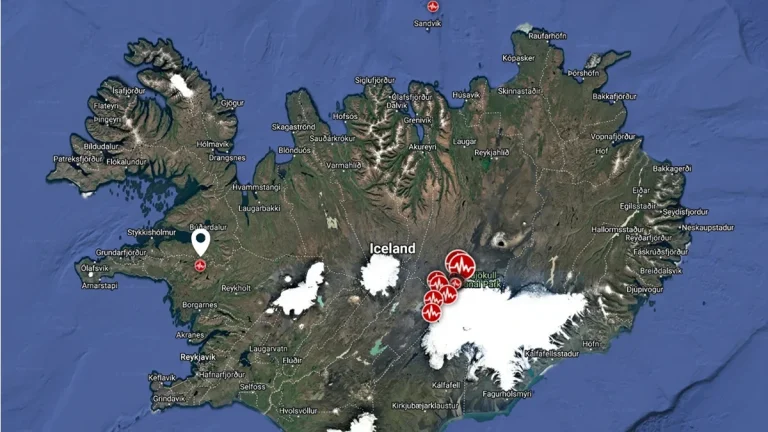
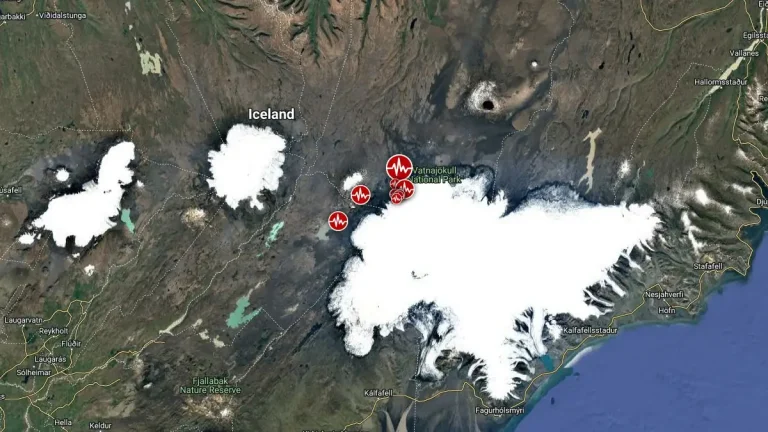
    A powerful earthquake swarm started in the NW part of Bárðarbunga caldera, Iceland at 06:08 UTC on January 14, 2025. Initial data indicate that dozens of quakes occurred in rapid succession, hinting at possible volcanic or tectonic unrest deep beneath the ice. The current activity may be similar to the beginning of the swarm that occurred before the 2014 Holuhraun eruption.

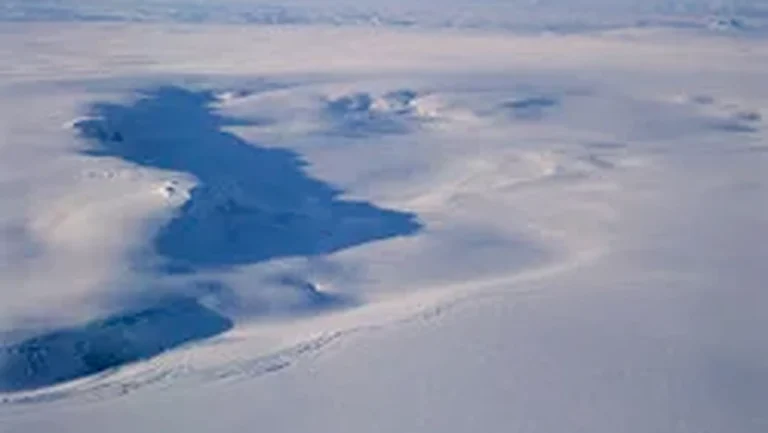
  • Glacial outburst flood at Grímsvötn volcano, Iceland

    Seismic readings indicated the onset of a glacial outburst flood from Grímsvötn volcano on January 13, 2025. Grímsvatn floods have occurred almost annually since November 2021. There are examples of volcanic eruptions occurring due to pressure relief in Grímsvötn after water gushes from there. However, glacial outburst floods have occurred much more frequently without volcanic eruptions.

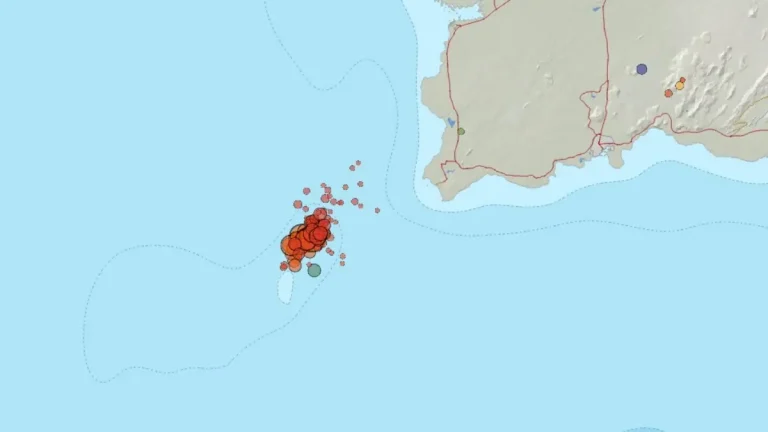
  • Earthquake swarm on Reykjanes Ridge, Iceland

    A strong earthquake swarm was registered on Iceland’s Reykjanes Ridge between December 28 and 30, 2024. The activity was concentrated in a tectonically active area, with the strongest reaching M3.6.

  • Earthquake swarm in Hofsjökull volcano, Iceland

    The Icelandic Met Office (IMO) detected an earthquake swarm in Hofsjökull volcano on December 13, 2024, with the strongest quake recorded as M3.3 at a depth of 8.8 km (5.5 miles). The last eruption of the Hofsjökull volcano occurred approximately 12 000 years ago.