Earthquake swarm recorded at Reykjanes Ridge, Iceland
Multiple earthquakes hit Iceland’s Reykjanes Ridge during the early hours of October 14, 2024, with the strongest reaching M3.0 near Eldey Island.


Multiple earthquakes hit Iceland’s Reykjanes Ridge during the early hours of October 14, 2024, with the strongest reaching M3.0 near Eldey Island.
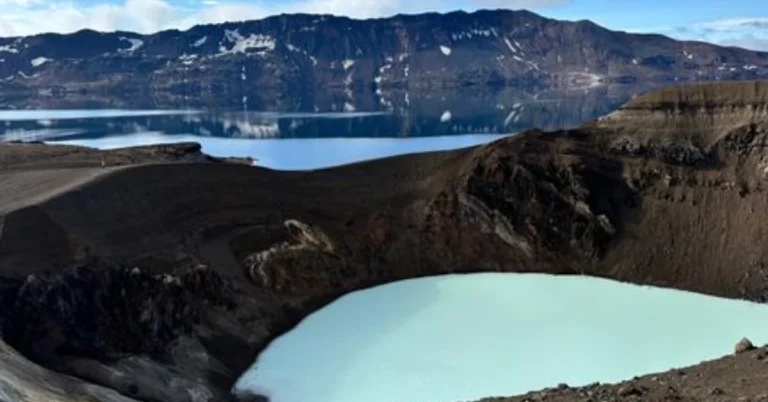
Askja volcano in Iceland remains under close watch as scientists record a 12 cm (4.7 inches) uplift over the past year. The ongoing monitoring efforts have identified significant magma accumulation at a depth of 3 km (1.9 miles), yet there is no immediate threat of eruption. The last eruption at this volcano took place in 1961 (VEI 2).

Sulfur dioxide (SO2) emissions produced by the new eruption in Reykjanes Peninsula, Iceland have reached Europe. The forecast and measured SO2 concentrations are currently below the recommended exposure threshold with no major impact on air quality and health.
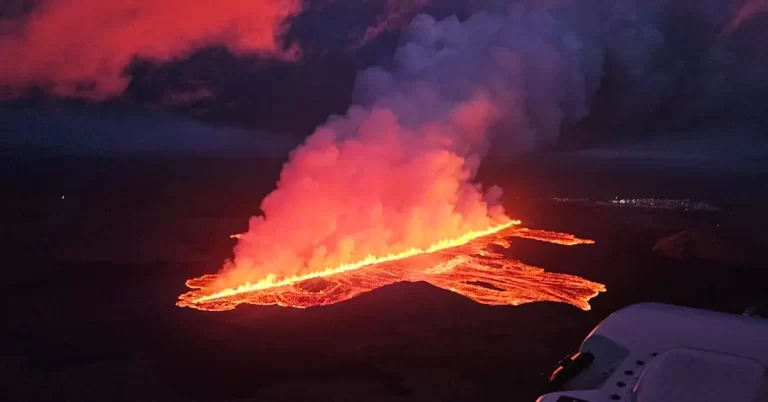
A new eruption began in Reykjanes Peninsula, Iceland, following an intense series of small earthquakes in the Sundhnúkar Crater Row between Stóra-Skógfell and Sýlingarfell at 20:48 UTC on August 22, 2024.
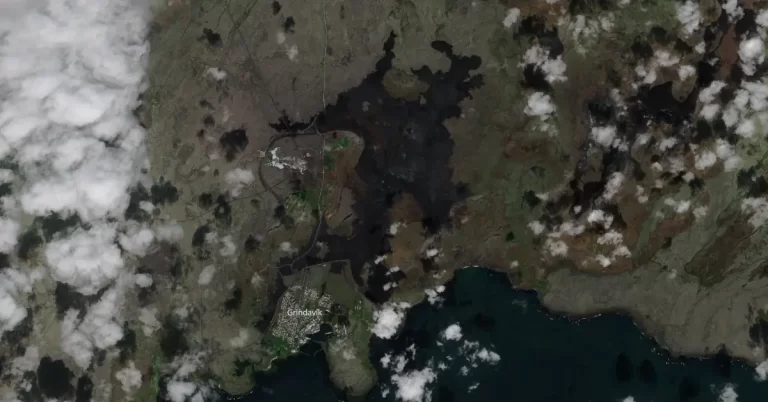
Rising seismic activity and land deformation patterns in Iceland’s Svartsengi area resemble those observed before the last eruption in the Sundhnúkur crater row, indicating a potential for a new volcanic eruption in the near-term.

A strong glacial flood began in Mýrdalsjökull, an ice cap atop the Katla volcano in southern Iceland, around 11:00 UTC on July 27, 2024. This event prompted authorities to raise the Aviation Color Code for Katla volcano to Yellow.

The latest eruption in Iceland’s Reykjanes Peninsula has entered its 14th day with one crater active and relatively stable. Land uplift has resumed over the past weekend and considerable pollution is now being measured in many parts of the capital Reykjavik and the western part of South Iceland.

The Icelandic Met Office reported on June 8, 2024, that Grindavíkurvegur road was covered by lava for the third time since the Sundhnúkur eruption began on May 29. The lava, primarily flowing northwest, reached the road after breaching a protective barrier.
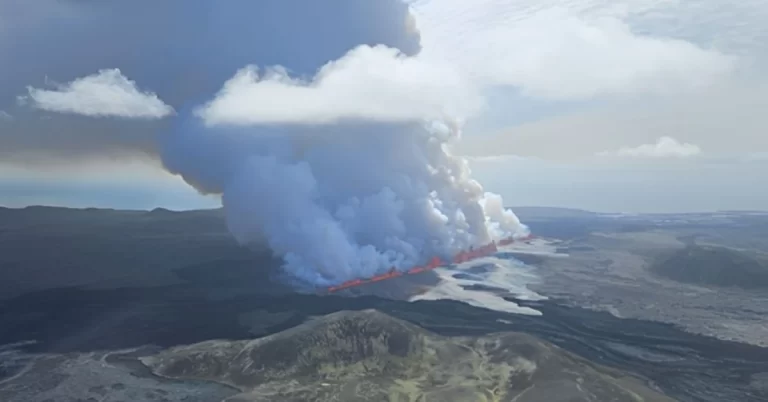
A new eruption started near Sundhnúkur north of Grindavík, Reykjanes Peninsula, Iceland at 12:46 UTC on May 29, 2024. The eruption is in the same area as the previous eruption.
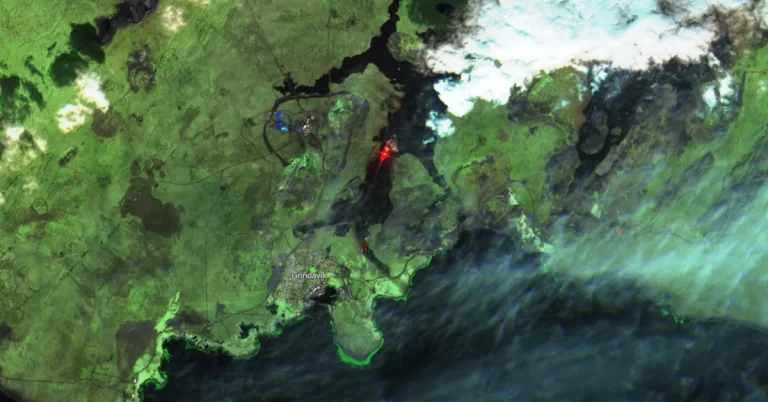
The Icelandic Met Office reports ongoing magma accumulation and land rise in Svartsengi, indicating a heightened risk for intensified volcanic activity or the formation of new fissures in the Reykjanes Peninsula.
