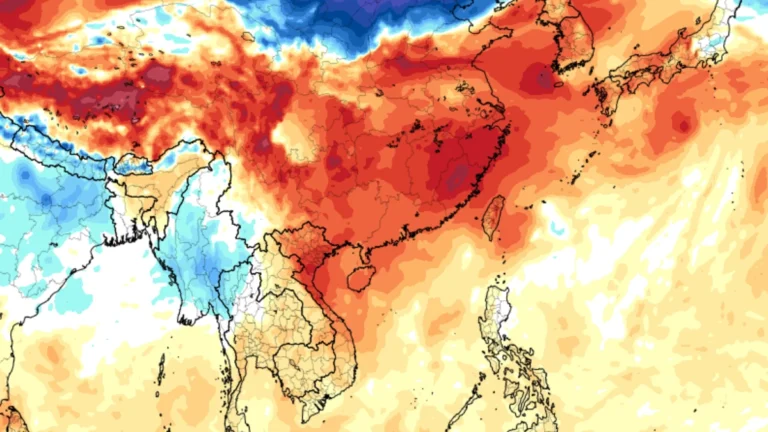
• October heat records reported across southern China after temperatures reach 39.5°C (103.1°F)

    Late-season heat affected southern China from September 25 into early October 2026, with official reports placing temperatures at 39.5°C (103.1°F) in Qiaojia, Yunnan, 39.1°C (102.4°F) in Yongding, Fujian, and 38.0°C (100.4°F) in Guangxin, Jiangxi. An independent analysis of station data identified 62 October maximum-temperature records on October 1 and another 18 on October 2, although Chinese meteorological authorities have not published an equivalent record count.
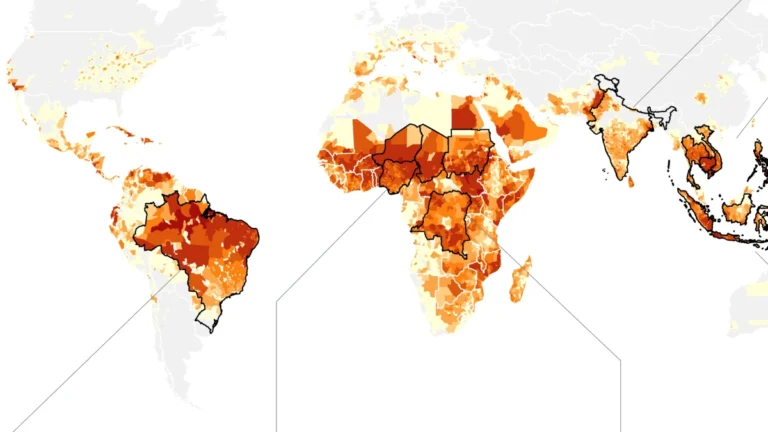

  • El Niño heat could cause 451 000 additional deaths worldwide by February 2027 as Pacific temperatures reach record levels

    A new Climate Impact Lab assessment estimates that heat associated with El Niño could contribute to 451 000 additional deaths worldwide from June 2026 through February 2027, including 239 000 ± 11 000 during September 2026–February 2027. The September 23 report comes as NOAA measurements show central Pacific sea-surface temperatures reaching levels last seen during the 2015–16 El Niño, while multiple media reports indicate a new daily temperature-anomaly record.

  • 21 students hospitalized for heat illnesses after bomb-threat evacuation at Carter Middle School, Tennessee

    21 students were transported with heat-related illnesses after Carter Middle School in Knox County, Tennessee, evacuated students to a football field during an NWS Heat Advisory on September 4, 2026. The advisory warned of heat index values reaching 41.1°C (106°F) across the affected area, while three students were classified as critical when transported, according to Rural Metro Fire.

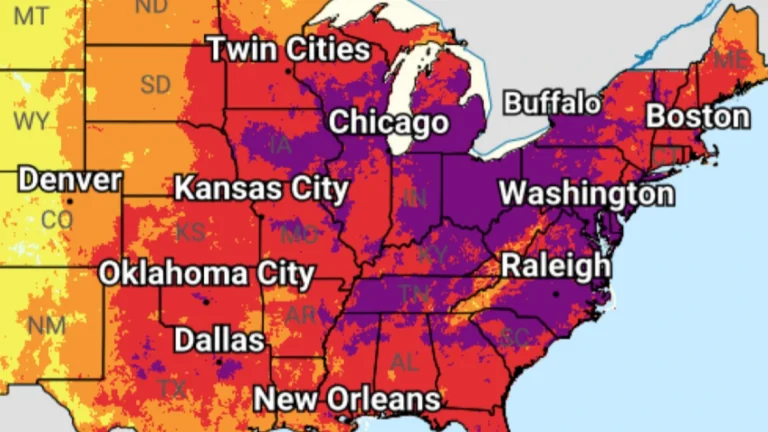
  • NWS heat advisories cover parts of 17 states on September 1, heat indices up to 43°C (110°F) forecast, U.S.

    Heat Advisories covered a broad corridor from the southern Plains and lower Mississippi Valley through the Midwest, Ohio Valley and parts of the Mid-Atlantic on September 1, 2026. National Weather Service (NWS) offices forecast heat indices from around 37.2°C (99°F) to 43°C (110°F), with several multi-day products citing limited overnight relief as a factor in maintaining the advisories.

  • Extreme Heat Watches issued for Utah, Montana, and northern Wyoming, temperatures up to 43°C (110°F) forecast through July 27

    Extreme Heat Watches have been issued for large portions of Utah, Montana, and north-central Wyoming as widespread dangerous heat is forecast from Friday, July 24, through Sunday, July 26, with some areas remaining under hazardous conditions into early next week. Afternoon temperatures are forecast to reach 35 to 43°C (95 to 110°F), while unusually warm nights across northern Utah are expected to limit overnight cooling and increase cumulative heat stress.

  • Extreme Heat Watches issued for parts of Montana, Wyoming, and Utah

    The National Weather Service (NWS) has issued multiple Extreme Heat Watches across Montana, northern Wyoming, and Utah through Saturday and Sunday, July 11 and 12, 2026. Temperatures above 38°C (100°F) are forecast across the watch areas. Some areas could see potentially record breaking heat with isolated highs of up to 43°C (110°F) being forecast.

  • Extreme heat alerts cover portions of 31 U.S. states, heat index up to 46°C (115°F)

    Extreme Heat Warnings, Extreme Heat Watches, and Heat Advisories are in effect across 31 U.S. states after the National Weather Service (NWS) issued a series of heat alerts on June 29, 2026. Peak heat index values are forecast to reach 46°C (115°F), with dangerous heat and humidity expected to persist into early July across parts of the Midwest, Northeast, Southeast, and central United States.

  • Phoenix logs highest August temperature on record

    Phoenix, Arizona, reached 47.8°C (118°F) on August 7, 2025, setting the highest August temperature since records began in 1895. Other locations across the region also saw record highs, with Blythe, California, reaching 48.9°C (120°F).