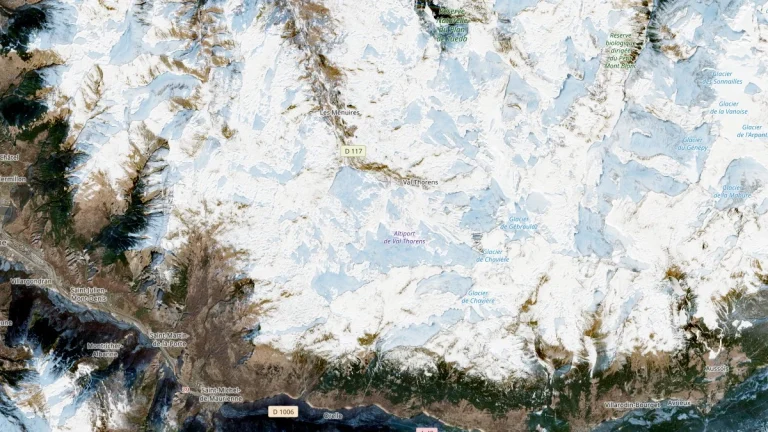
• Rare high-impact windstorm hits Zagreb, Croatia, in one of the city’s strongest wind episodes on record

    One of the strongest wind episodes on record in Zagreb, and the most intense in the modern Zagreb-Maksimir measurement record, struck the Croatian capital on March 27, 2026, with gusts exceeding 120 km/h (75 mph), causing widespread damage, major transport disruption, and multiple injuries, including two serious cases reported by authorities.
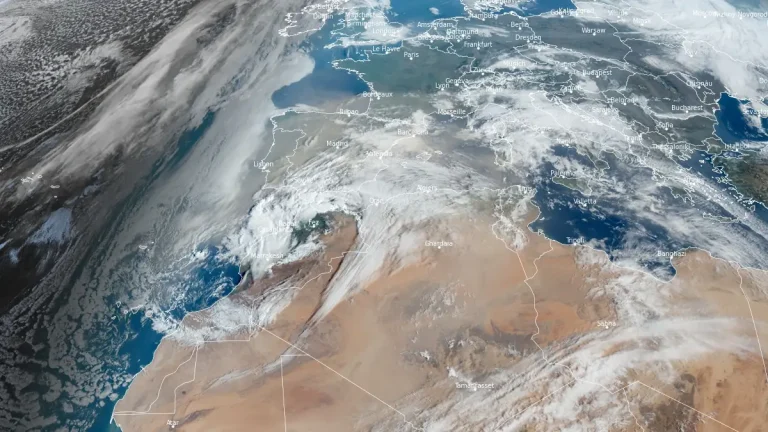

  • Major incident declared in Somerset as Storm Chandra brings severe weather across UK and Ireland

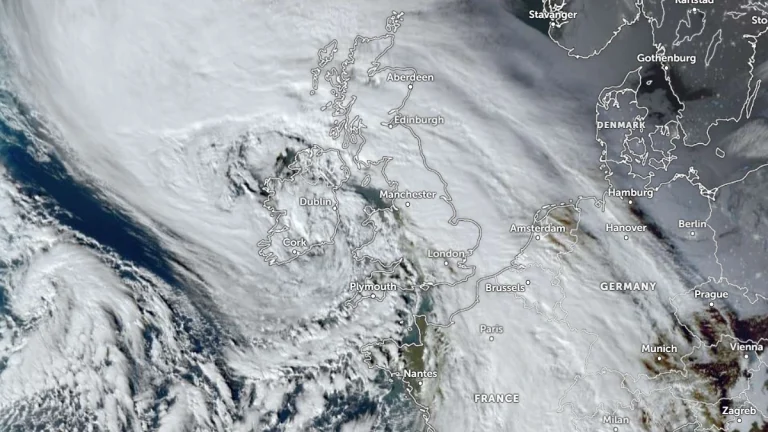
    Storm Chandra the United Kingdom and Ireland with major flooding, power outages, and travel disruptions on January 27 and 28, 2026. Hundreds of flood alerts were issued across the affected regions while local councils and emergency services carried out rescues in the southwest, where rainfall totals reached 45 mm (1.8 inches) in 24 hours with coastal gusts peaking near 110 km/h (70 mph).

  • Stratospheric warming developing over the Arctic forecast to weaken the polar vortex and influence February weather

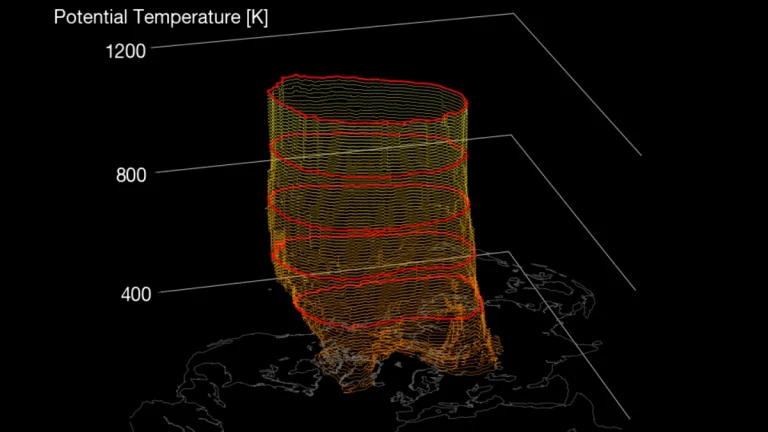
    Meteorological forecasts show a major sudden stratospheric warming event forming over the Arctic, likely to cause significant weakening of the polar vortex in early February 2026. The resulting atmospheric disruption may alter jet-stream dynamics and increase the risk of Arctic air intrusions into North America and northern Europe during the second half of February.

  • Major polar vortex disruption brings Arctic surges across North America and Europe through January and early February

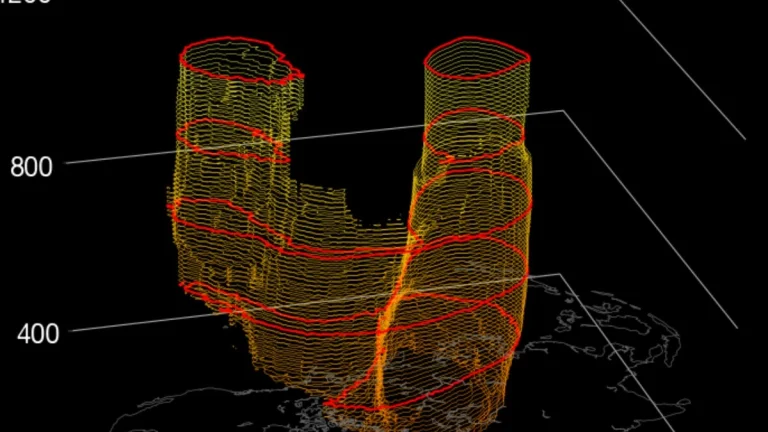
    A major polar vortex disruption has begun and is forecast to send Arctic air into much of North America and Europe through mid and late January 2026. The event will bring freezing temperatures and winter weather as the vortex weakens following a stratospheric warming episode. A second, stronger outbreak is forecast to occur during the last part of January as the core of the vortex splits into two halves, each driving cold Arctic air into Europe and North America in February.

  • Arctic cold wave freezes Lapland airports, disrupts travel across northern Europe

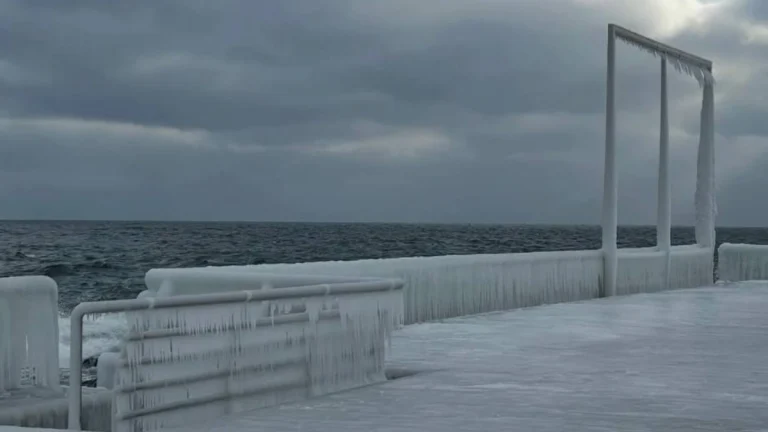
    Thousands of tourists were stranded in northern Finland on January 11, 2026, after flights at Kittilä Airport were canceled due to extreme cold that made de-icing and fueling operations impossible. Temperatures dropped to −37°C (−34.6°F), one of the lowest readings of the winter season, amid a wider Arctic cold outbreak affecting large parts of northern and central Europe.